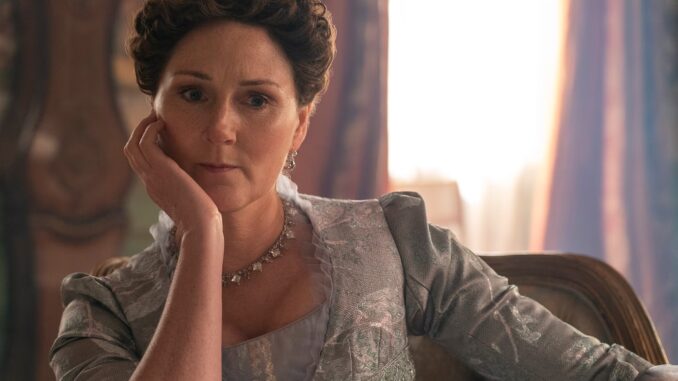
Bridgerton Actress Ruth Gemmell Went Home and Cried Over Steamy Scene
When we think of Bridgerton, our minds usually drift to lavish balls, sharp-tongued gossip from Lady Whistledown, and enough sexual tension to power the entire city of London. We see the finished product—glamorous, polished, and breathtakingly romantic. But behind the heavy velvet curtains and the empire-waist gowns lies a human experience that isn’t always as “ton-perfect” as it looks on screen.
Recently, Ruth Gemmell, the brilliant actress who portrays the matriarch Lady Violet Bridgerton, shared a deeply personal moment that reminded us all: even the pros have “human” days. After filming a particularly intimate and emotionally charged scene, she didn’t head to an after-party or a fancy dinner. She went home and cried.
The Weight of the Regency Matriarch
To understand why this happened, we have to look at who Lady Violet is. She isn’t just a background character; she is the emotional North Star of the Bridgerton family. While her children are busy falling in love and making questionable decisions, Violet carries the memory of a profound, once-in-a-lifetime love with her late husband, Edmund.
The Emotional Intensity of Season 3
In the most recent chapters of the Bridgerton saga, we’ve seen Violet move beyond just being a mother. She’s rediscovering her own “garden”—a metaphor the show uses for her awakening desires. For an actress who has played a widow for years, stepping back into the world of vulnerability and physical attraction is a massive shift.
Why Acting Isn’t Just “Pretending”
Many people think acting is just saying lines and hitting marks. But for high-caliber performers like Gemmell, it’s about emotional substitution. You have to find a real place inside yourself to make the audience feel something. When you spend twelve hours a day inhabiting a space of deep longing or sudden intimacy, your brain might know it’s fake, but your nervous system often gets the memo late.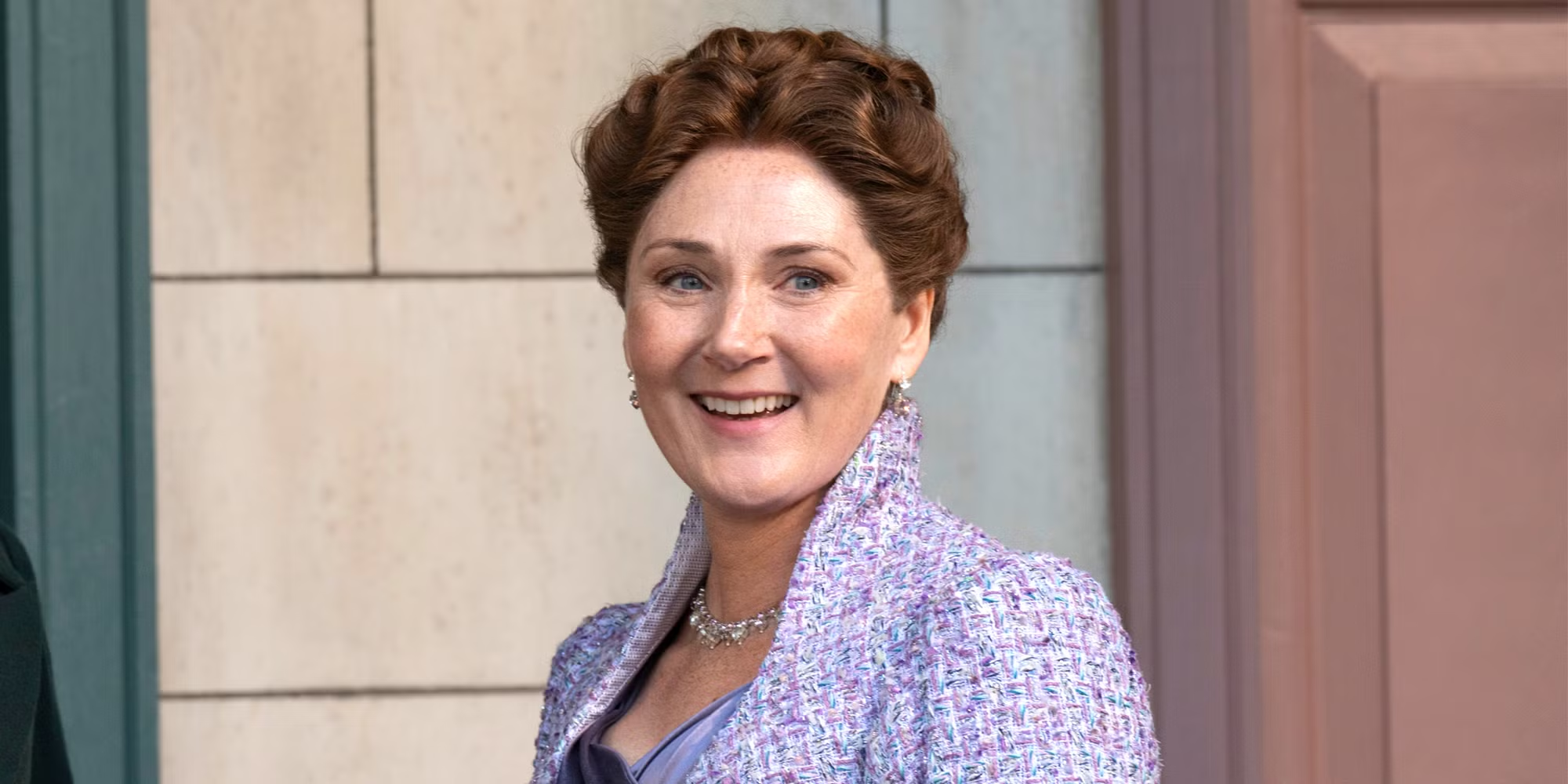
The Scene That Triggered the Tears
While the show is famous for its “steamy” moments, the scene Gemmell referred to wasn’t just about the physical. It was about the exposure of a character who has spent years being the “strong one.”
The Vulnerability of Lady Violet
Violet Bridgerton is usually the one offering advice, not the one needing it. Seeing her character navigate the spark of a new connection—specifically with Lord Anderson—brought up a cocktail of emotions. It’s a mix of grief for the past and the terrifying excitement of a possible future.
The Pressure of Performance
Imagine being on a set with dozens of crew members, bright lights, and the pressure to deliver a performance that millions of fans will dissect. It’s a high-pressure cooker. Gemmell’s reaction wasn’t necessarily one of sadness, but rather a total emotional release.
Breaking the “Stiff Upper Lip” Tradition
In the Regency era, showing emotion was often seen as a weakness. Ironically, the actors playing these roles have to be more emotionally fluid than most.
The Aftermath of Intimacy Scenes
Modern sets now use intimacy coordinators to ensure everyone feels safe. However, even with all the safety protocols in place, the act of being “intimate”—whether emotionally or physically—is draining. It’s like running an emotional marathon in a corset that’s two sizes too small.
The “Drop” After Filming
Actors often experience what’s known as “post-scene drop.” The adrenaline leaves your body, the “character” mask slips off, and you’re left with your own raw thoughts. For Ruth, that meant a quiet car ride home and a much-needed cry.
Why This Matters to the Fans
We live in an age where we want our stars to be perfect. We want them to be as untouchable as the characters they play. But Gemmell’s honesty is a breath of fresh air. It humanizes the production and makes us appreciate the depth she brings to Lady Violet.
Connecting with the Audience
When we see Violet Bridgerton tear up on screen, it hits harder because we now know the actress was feeling that weight in real life. It bridges the gap between the 19th-century fiction and our 21st-century reality.
Addressing the Stigma of Crying
Is it a bad thing that she cried? Absolutely not. In fact, it’s a sign of a job well done. It shows a level of empathy and dedication that most people never have to apply to their 9-to-5 jobs.
The Evolution of Violet Bridgerton
As we look forward to future seasons, the “blossoming” of Violet’s garden is one of the most anticipated arcs. We’ve seen the kids get their happily-ever-afters; now it’s time for the woman who started it all.
A New Chapter for the Dowager Viscountess
The fact that Ruth Gemmell is so invested in this journey suggests that the upcoming scenes will be some of the most moving in the series. She isn’t just “phoning it in.” She’s living it.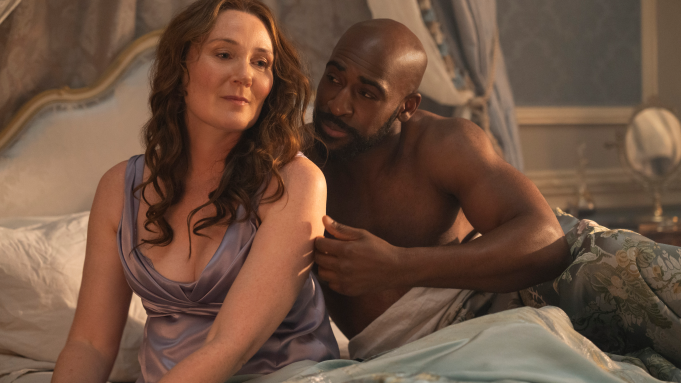
The Support of the Bridgerton Cast
The Bridgerton cast is famously tight-knit. Whether it’s Nicola Coughlan or Luke Thompson, the actors often talk about the supportive environment on set. This safety allows actors like Gemmell to push themselves to these emotional breaking points.
Conclusion: The Power of Vulnerability
Ruth Gemmell going home and crying isn’t a story of a “breakdown.” It’s a story of a breakthrough. It’s a testament to the power of storytelling and the physical and mental toll it takes to create art that resonates. Lady Violet is more than a character in a book or a figure on a screen; she is a vessel for the universal human experience of love, loss, and the bravery it takes to start over.
Next time you watch a “steamy” or emotional scene in Bridgerton, remember the person behind the lace. Remember that for every minute of television we enjoy, there’s an actor who gave a piece of their soul to make it feel real.