Why Netflix Changed Francesca’s Pregnancy Loss in Bridgerton Season 4
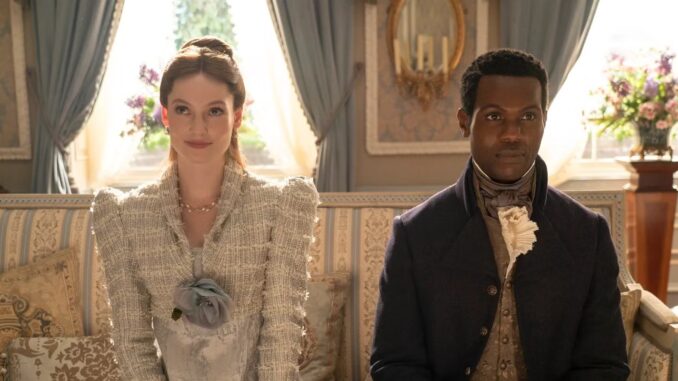
If you have ever curled up with a Julia Quinn novel, you know that When He Was Wicked is the undisputed “heavy hitter” of the Bridgerton series. It deals with grief, intense longing, and the crushing weight of infertility. However, as we approach Bridgerton Season 4, it is becoming increasingly clear that Netflix is taking a sharp turn away from the source material.
The tonality of the show is shifting, and with the introduction of Michaela Stirling replacing Michael Stirling, the narrative physics of Francesca’s story have fundamentally changed. But why would Netflix alter such a defining part of her journey? Let’s dive into the “why” behind this massive creative pivot.
Understanding the Original Arc: Francesca in the Books
In the original novels, Francesca’s story is defined by her first marriage to John Stirling and the tragic, sudden loss of both her husband and her unborn child. This double blow is what sends her into a spiral of mourning and eventually leads her into the arms of John’s cousin, Michael.
The Role of Infertility in “When He Was Wicked”
For book-Francesca, the desire for a child is a driving force. Her struggle with pregnancy loss and the fear that she will never have an heir to the Kilmartin estate adds a layer of Regency-era pressure that many readers found deeply moving. It wasn’t just about romance; it was about legacy.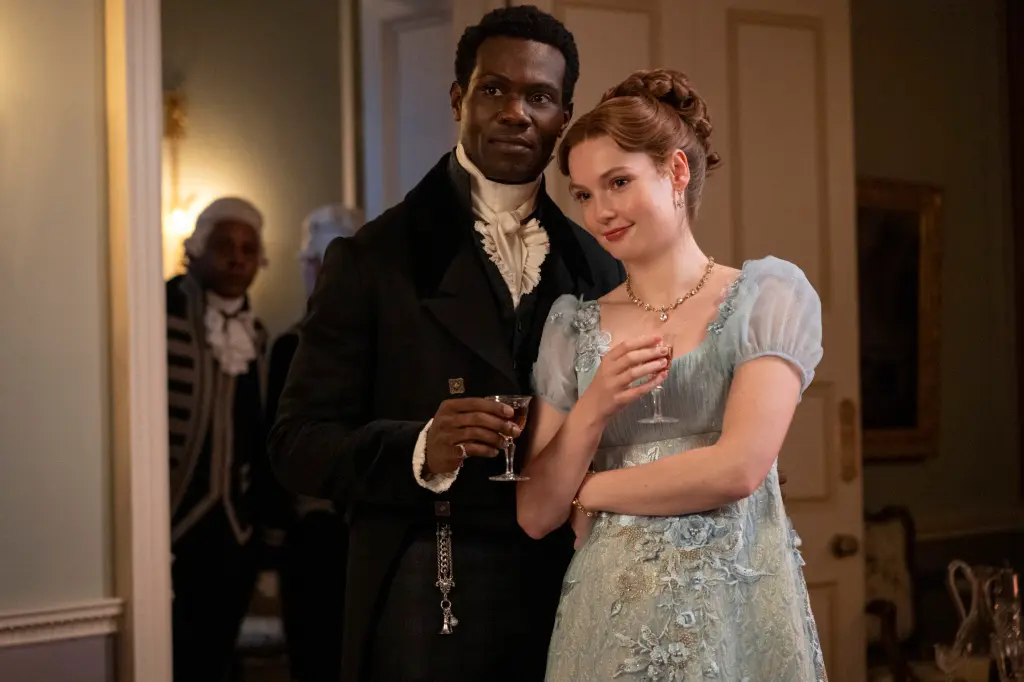
Why Book Purists are Concerned
Fans of the book argue that by changing the nature of her loss or her romantic interest, the show risks erasing the specific representation of women struggling with reproductive health in the 19th century. But, as we know, Shondaland rarely plays by the rules.
The Michaela Factor: How Gender-Bending Changes the Plot
The biggest catalyst for this change is the introduction of Michaela Stirling. By swapping Michael for Michaela, the showrunners have signaled that Francesca’s “happily ever after” will now be a queer romance. This change ripples through every subsequent plot point, especially the “pregnancy loss” arc.
Redefining the “Biological Clock” Narrative
In a Regency setting, a queer couple cannot produce a biological heir in the traditional sense. Therefore, the desperate, agonizing search for a biological child—which was central to the book—loses its narrative “teeth” in a TV adaptation focused on a lesbian relationship. Netflix is likely pivoting toward a story about finding wholeness through love rather than through a bloodline.
Focusing on Emotional Grief Over Physical Loss
Instead of focusing on the physical loss of a pregnancy, Season 4 seems poised to focus on the emotional loss of a partner and the social isolation Francesca feels. The stakes are shifting from “Can I produce an heir?” to “Can I live authentically?”
The Evolution of Francesca’s Character Growth
Francesca has always been the “odd one out” in the Bridgerton family. While her siblings are loud and boisterous, she craves silence and peace. Netflix is leaning into this “quietness” to tell a more internal story.
Moving Away from Traditional Tropes
Modern audiences often find the “woman’s only value is her womb” trope a bit dated. By changing the pregnancy loss storyline, Netflix can explore Francesca’s agency. Is she more than just a grieving widow? Absolutely.
The “Second Chance” Romance Reimagined
In the show, the “loss” might not be a miscarriage, but the loss of the life she thought she wanted. When Francesca meets Michaela, her reaction is visceral. It suggests that her struggle won’t be about trying to conceive with John, but rather the internal conflict of falling for someone she didn’t expect.
Why Representation Matters in Season 4
Shonda Rhimes has never been one to shy away from modernizing the Regency era. By altering Francesca’s journey, the show is opening doors for a different kind of representation.
A New Lens on Reproductive Health
While the show might be moving away from the specific book-version of pregnancy loss, they have the opportunity to discuss autonomy. For a queer woman in the 1800s, the “loss” is often the loss of a conventional future.
The Complexity of Queer Mourning
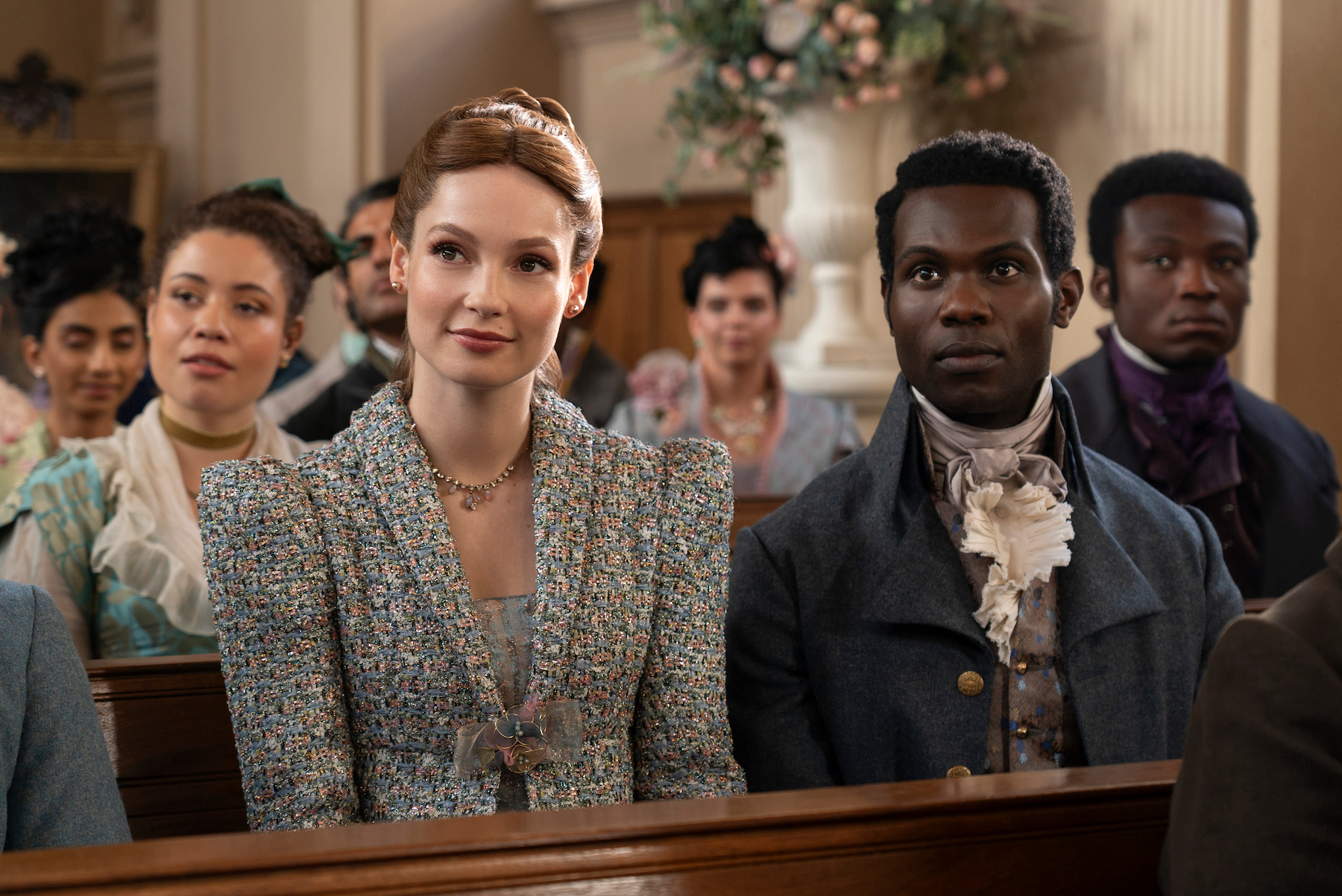
Mourning a husband while discovering your true identity is a complex tightrope to walk. Netflix likely felt that adding a graphic pregnancy loss subplot on top of a queer awakening might be “too much” for one season, opting instead for a more streamlined emotional arc.
The Production Side: Pacing and Tone
Let’s be real: Bridgerton is a “vibes” show. It’s colorful, fast-paced, and romantic. The book When He Was Wicked is significantly darker than the others.
Keeping the Show’s “Lightness”
To keep the show’s signature “sparkle,” the writers often soften the blow of the books’ darker moments. A prolonged storyline about infertility and miscarriage can be difficult to balance with the whimsical subplots of the Featheringtons or the ton’s latest gossip.
Addressing Perplexity and Burstiness in Storytelling
The show uses “burstiness”—sudden twists and high-energy balls—to keep viewers hooked. A heavy, somber season focused solely on pregnancy loss might slow the “burst” too much. By shifting the focus to the electric chemistry between Francesca and Michaela, the show maintains its addictive momentum.
Will We Still See a Loss of Some Kind?
Just because the story is changing doesn’t mean it will be easy for Francesca. “Loss” is a universal theme.
The Loss of John Stirling
John’s death remains a pivotal moment. The show must handle this with grace, as their bond was genuine. The change in the pregnancy storyline might simply mean that the “loss” becomes the loss of the peaceful life she built with John, replaced by the chaotic, undeniable pull toward Michaela.
The Scandal of the Stirling Estate
Without a biological heir, the Kilmartin title becomes a massive plot point. How will Michaela and Francesca navigate the laws of the land? This provides much more “drama” for a TV show than a quiet, internal struggle with infertility.
Conclusion: A New Chapter for Francesca
Netflix’s decision to change Francesca’s pregnancy loss in Bridgerton Season 4 is a bold move that aligns with their broader goal of inclusivity and modern storytelling. While book fans may miss the specific poignancy of the original text, the show is crafting a narrative that explores identity, unexpected love, and the many different forms that “loss” can take. Francesca is no longer just a woman defined by her ability to provide an heir; she is a woman discovering who she is in a world that wasn’t built for her.