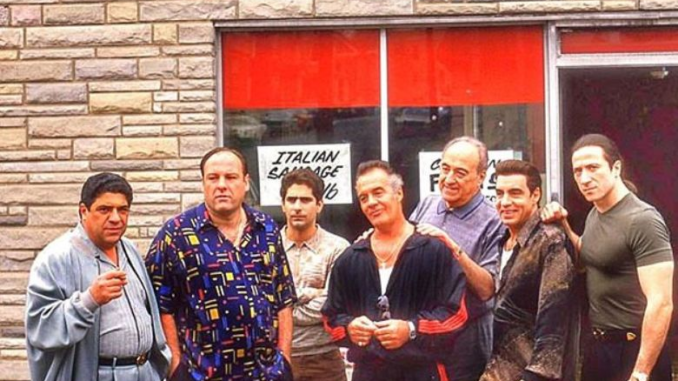
Why The Sopranos Still Feels Shockingly Modern in 2026
A TV Classic That Refuses to Age
More than two decades after its debut, The Sopranos remains one of the rare television dramas that doesn’t just hold up—it feels strikingly current. While many early-2000s shows now feel dated, The Sopranos continues to resonate with audiences in 2026 as if it were written for today.
So what exactly gives the series its enduring relevance?
The Blueprint for the Modern Antihero
Long before antiheroes dominated prestige television, Tony Soprano redefined what a leading character could be.
A mob boss struggling with anxiety, family pressure, and moral contradictions, Tony blurred the line between villain and protagonist. Today’s audiences—accustomed to morally complex leads—find his character not only familiar, but foundational. In many ways, modern TV is still building on the template The Sopranos created.
Mental Health Themes That Aged Ahead of Their Time
One of the show’s most forward-thinking elements is its exploration of mental health. Tony’s therapy sessions—once considered unconventional for a crime drama—now feel entirely in step with contemporary conversations around anxiety, depression, and emotional vulnerability.
What was once groundbreaking is now mainstream, making the series feel less like a product of its time and more like a precursor to current cultural norms.
A Sharp Examination of Masculinity
Before terms like “toxic masculinity” entered everyday discourse, The Sopranos was already dissecting it.
The men in the series are trapped between expectations of power and their inability to process emotion. This tension—between dominance and fragility—remains deeply relevant in 2026, especially as modern audiences continue to reevaluate traditional gender roles.
Consumerism and Moral Decay in America
Created by David Chase, The Sopranos goes beyond organized crime to critique the broader American experience.
The show’s portrayal of materialism, status obsession, and ethical compromise feels just as applicable today. If anything, its themes of moral erosion under capitalism have only become more pronounced, making the series feel eerily prophetic.
Dialogue That Still Feels Real
Another reason the show endures is its writing. The dialogue in The Sopranos avoids the overly polished tone common in older television. Instead, it feels natural, messy, and authentic—closer to real conversation than scripted drama.
That realism allows new viewers to connect with the show without the barrier of outdated language or style.
Why New Generations Keep Discovering It
Streaming platforms have introduced The Sopranos to younger audiences, many of whom approach it expecting a “classic” but end up finding something surprisingly modern.
Rather than feeling like a relic, the series plays like a contemporary drama—one that often feels deeper and more psychologically complex than many current shows.
Final Thoughts
Not every show ages well. Some fade into nostalgia. Others become time capsules.
But The Sopranos does something rarer—it evolves in meaning as the world changes. In 2026, it doesn’t just reflect its original era; it mirrors ours.
And that may be the clearest sign of a truly timeless series.