There are movies you watch once and forget.
And then there is The Godfather.
This isn’t just a film. It’s an initiation.
From the very first scene—the dimly lit office, the whispers, the weight of silence—you realize something is different. This world doesn’t try to impress you. It doesn’t rush. It pulls you in… slowly, deliberately… until you’re no longer just watching.
You’re inside.
At the heart of it stands Michael Corleone—a man who didn’t want power, didn’t chase it, didn’t even believe in it. And yet, step by step, choice by choice, he becomes something far more dangerous than anyone expected.
Not loud. Not reckless.
But inevitable.
That’s the genius of The Godfather. There are no heroes here—only decisions. And every decision comes with a cost. Loyalty becomes currency. Family becomes strategy. And love… becomes leverage. 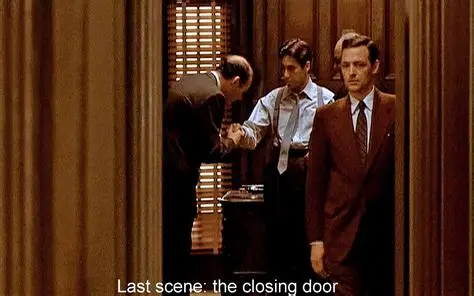
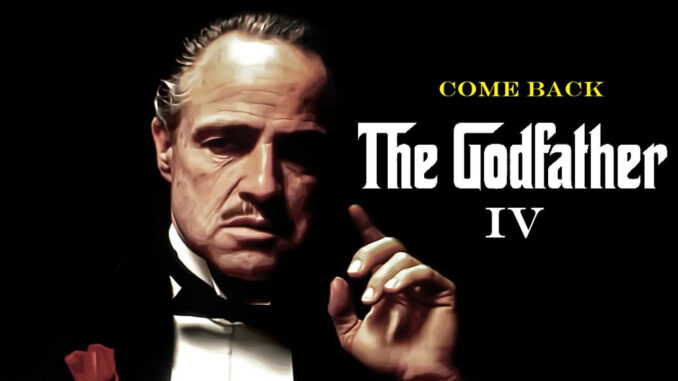
Meanwhile, Vito Corleone, portrayed with haunting calm by Marlon Brando, doesn’t need to raise his voice to command the room. Power, in this world, isn’t about who shouts the loudest—
it’s about who everyone listens to… even in silence.
And that’s why, decades later, the film still hits harder than ever.
Because beneath the suits, the deals, and the violence…
The Godfather is about something deeply human:
How far would you go to protect what’s yours?
And once you cross that line…
can you ever come back?
The truth is—most people don’t leave this film thinking about the story.
They leave thinking about themselves.