The Real Reason Oscar Martinez Disappeared in Season 3 of The Office: A Masterclass in TV Flexibility
The Office is a show built on the mundane, the awkward, and the strangely realistic rhythms of a failing paper company. But sometimes, the most realistic parts of the show—like a character suddenly being gone for months—have absolutely nothing to do with the script and everything to do with the chaotic reality of Hollywood. If you’ve rewatched Season 3 lately, you might have noticed a glaring, accountant-sized hole in the background of the Dunder Mifflin bullpen.
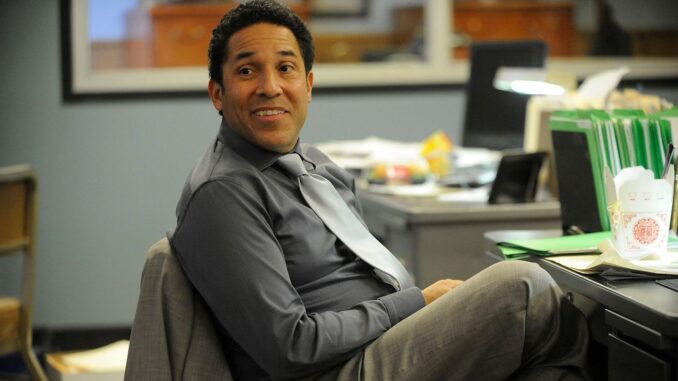
Oscar Martinez, the rational anchor of the accounting department, vanished for a huge chunk of the season. Was it a contract dispute? A creative falling out? Actually, it was something much cooler: a testament to the culture of the show and a career-defining move for Oscar Nunez.
The Mystery of the Empty Desk in Accounting
During the height of Season 3, the show was hitting its stride. The “will-they-won’t-they” of Jim and Pam was reaching a fever pitch, and Michael Scott was at his most deliciously cringeworthy. Yet, right after the explosive season premiere, Oscar was just… gone.
In the world of television, when a series regular disappears, it usually signals trouble. Fans start speculating about salary negotiations or behind-the-scenes drama. However, in the case of Oscar Nunez, his absence wasn’t about a bridge burning; it was about a door opening.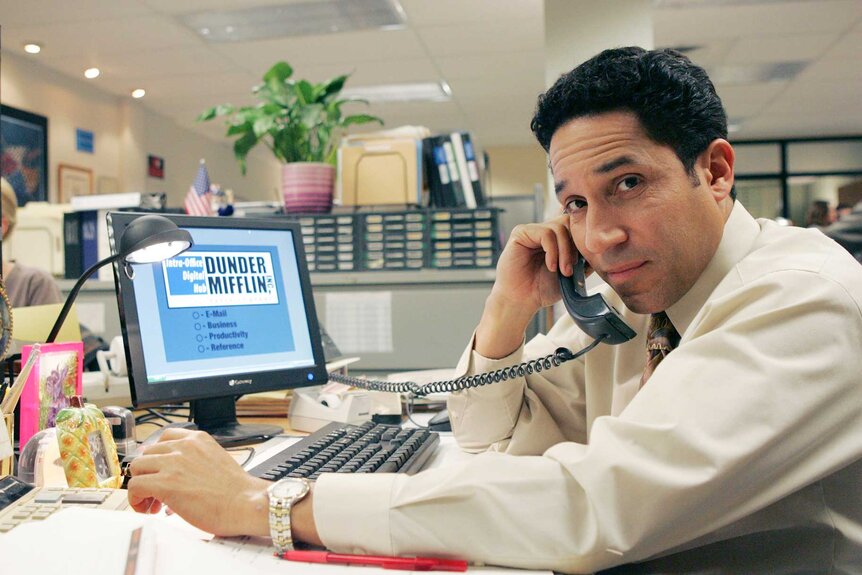
The Halfway Home Hustle
While fans were wondering where the “rational” accountant went, Oscar Nunez was actually wearing a much different hat. He wasn’t just acting; he was creating. Nunez had a golden opportunity to develop, produce, and star in his own show, a Comedy Central series titled Halfway Home.
Why Nunez Almost Said No
Imagine being on one of the hottest comedies on television. You have job security, a beloved character, and a steady paycheck. Taking a risk on a new project feels like jumping out of a plane without checking the parachute. Nunez was understandably hesitant. He didn’t want to rock the boat at The Office, but the creative itch to produce his own content was strong.
The Ed Helms Factor: A Support System Behind the Scenes
Here is where the story gets heartwarming. You might think actors are competitive, fighting for every second of screen time. But the cast of The Office was notoriously tight-knit.
The Push from “The Nard Dog”
Ed Helms, who played Andy Bernard, was the one who ultimately nudged Nunez toward the exit door (temporarily, of course). Helms recognized the magnitude of the opportunity. He encouraged Nunez to take the leap, reminding him that these types of creative chances don’t come around often. It’s a bit ironic considering their characters would eventually clash on screen, but off-screen, Helms was the ultimate hype man.
A Culture of Collaboration
This level of support wasn’t an anomaly. The set of The Office functioned more like a theater troupe than a corporate production. When your peers want you to succeed outside of the “day job,” you know you’ve found a special workplace.
Greg Daniels: The Boss Everyone Wishes They Had
When Nunez finally built up the courage to talk to showrunner Greg Daniels about his conflict, he expected a logistical nightmare. Instead, he got a masterclass in leadership.
“We’ll Figure It Out”
When Nunez explained the situation to Daniels, the response was a simple, “We’ll figure it out.” No threats of being written out, no demands to choose one or the other. Daniels understood that the strength of The Office lay in the talent of its ensemble. If one of his actors had a chance to grow, he was going to make it work.
The Flexibility of a Mockumentary
One of the perks of the mockumentary format is that it allows for organic shifts. People go on leave, people get fired, and people go on vacation. Daniels saw Nunez’s absence not as a hurdle, but as a narrative opportunity.
Turning a Career Move into a Plot Point: The “Gay Witch Hunt” Aftermath
The writers didn’t just have Oscar disappear into thin air. They used one of the most famous episodes in TV history to set the stage for his exit.
The Settlement of a Lifetime
In the Season 3 premiere, “Gay Witch Hunt,” Michael Scott inadvertently outs Oscar in the most Michael Scott way possible—by forcibly kissing him in front of the entire office to prove he’s “cool” with it. To avoid a massive lawsuit, Dunder Mifflin offers Oscar a deal he can’t refuse: a massive settlement and a three-month paid vacation.
Why the Plot Worked So Well
It was a stroke of genius. It stayed true to the corporate satire of the show (companies overcompensating to avoid legal PR disasters) and explained exactly why Oscar would be gone for exactly the amount of time Nunez needed to film his other show.
The Impact of Oscar’s Absence on the Bullpen
With Oscar gone, the dynamics of the office shifted slightly. Angela became even more insufferable without her sparring partner, and Kevin was left to his own (often mathematically incorrect) devices.
Angela’s Reign of Terror
Without Oscar there to keep her in check, Angela Martin’s “Head of Accounting” energy went into overdrive. It highlighted how much Oscar served as the “straight man” (pun intended) to the chaos of the department.
The Return of the Prodigal Accountant
When Oscar finally returned in “The Return,” the transition was seamless. He walked back into the office, Michael made it awkward (of course), and it felt like he had never left. But he returned as a more established figure in the industry, having successfully navigated his own production.
What This Teaches Us About Modern Television Production
The “Oscar Gap” in Season 3 is a perfect example of how the best shows are built on mutual respect.
Retaining Talent Through Kindness
Many showrunners would have replaced an actor who asked for three months off. By being flexible, Greg Daniels ensured that Oscar Nunez remained a loyal and integral part of the cast for the rest of the series’ nine-season run.
The Legacy of “Halfway Home”
While Halfway Home didn’t become the cultural juggernaut that The Office was, it allowed Nunez to flex his muscles as a creator. It’s a reminder that even when you’re part of something big, personal growth matters.
Conclusion: A Win-Win for the Office Family
Oscar Martinez’s temporary departure from Scranton wasn’t a sign of a show in trouble; it was a sign of a show that loved its people. Because Greg Daniels was willing to “figure it out” and Ed Helms was willing to give a pep talk, fans got one of the best plot devices in the series—the “Gay Witch Hunt” settlement—and Oscar Nunez got to pursue a dream. It’s a rare Hollywood story where everyone wins, proving that sometimes, a little flexibility goes a long way.