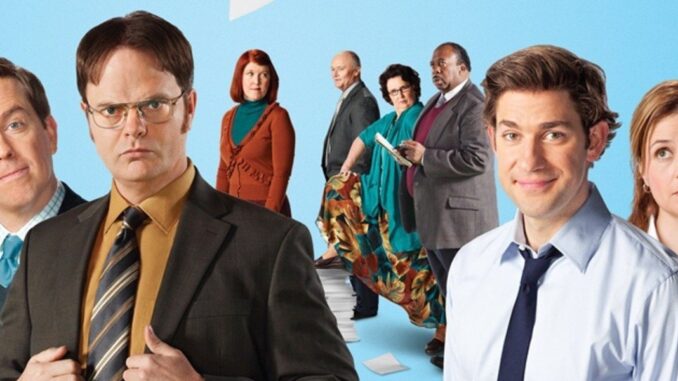
Steve Carell Reveals This A-List Actor Warned Him Not to Do The Office
In the hallowed halls of television history, few characters loom as large—or as awkwardly—as Michael Scott. He’s the World’s Best Boss, the king of “That’s what she said,” and the man who turned a paper company in Scranton, Pennsylvania, into a global phenomenon. But what if I told you that one of the most beloved sitcoms of all time almost didn’t feature Steve Carell? Even wilder: what if I told you a major Hollywood A-lister actually sat him down and warned him not to take the job?
It sounds like a rejected plotline from a meta-dramedy, but it’s the absolute truth. Before the Dundies, before the cringe-inducing greatness of “Scott’s Tots,” and before The Office became the most-streamed show on the planet, Steve Carell was just an actor looking for his big break—and his famous peers weren’t convinced that a British remake was the right move.
The Risky Business of Remaking a Masterpiece
To understand why someone would warn Carell away, you have to remember the landscape of 2004. Ricky Gervais’s original UK version of The Office wasn’t just a hit; it was a cultural revolution. It was dry, painful, and perfect. The general consensus in Hollywood at the time was simple: “Don’t touch it.” American remakes of British comedies had a track record that was, to put it mildly, disastrous.
The Paul Rudd Connection
So, who was the bearer of this cautionary news? None other than Carell’s friend and frequent collaborator, Paul Rudd. At the time, Rudd was already a established name, and the two had developed a rapport while filming Anchorman: The Legend of Ron Burgundy. When Carell mentioned he was auditioning for the role of Michael Scott, Rudd’s reaction wasn’t exactly supportive.
According to Carell, Rudd basically told him, “Ugh, don’t do it. Bad move. It’s never going to be as good as the original.” It wasn’t coming from a place of malice; it was coming from a place of protection. Rudd, like many fans of the original BBC series, couldn’t imagine a world where an American version didn’t fall flat on its face.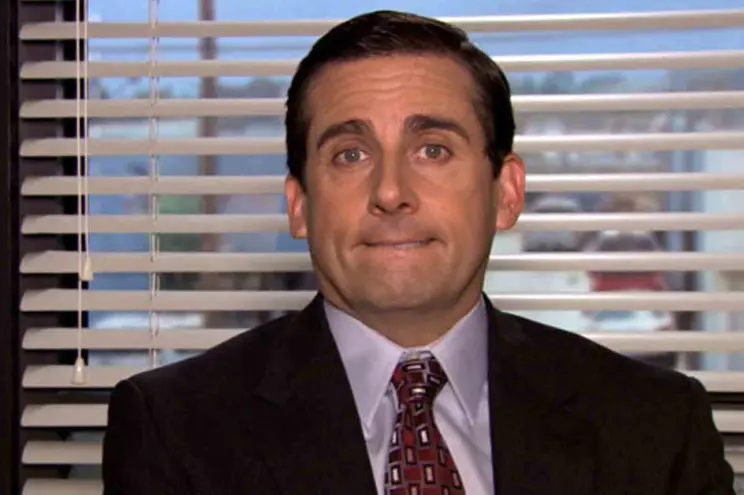
Why Everyone Thought ‘The Office’ Would Fail
It’s easy to look back now and call Rudd’s advice a “swing and a miss,” but he wasn’t alone in his skepticism. The pilot episode of the US version was almost a shot-for-shot remake of the British pilot, and early critics were brutal. They found Michael Scott too mean and the lighting too dreary.
The “Cringe” Factor in American Television
American sitcoms of the early 2000s were largely multi-cam setups with laugh tracks and bright lights (think Friends or Everybody Loves Raymond). The Office was the antithesis of that. It used a single-camera “mockumentary” style, long silences, and a protagonist who was often deeply unlikable. It was a massive gamble for NBC, and most people in the industry expected it to be canceled after six episodes.
The Turning Point: ‘The 40-Year-Old Virgin’
If there’s one thing that saved The Office from the chopping block, it was actually Steve Carell’s burgeoning film career. While the first season of the show struggled to find an audience, Carell went off to film The 40-Year-Old Virgin. When that movie became a massive summer blockbuster, NBC suddenly realized they had one of the biggest movie stars in the world on their little sitcom.
Softening the Character of Michael Scott
With the success of his film, the producers made a pivotal decision for Season 2: they needed to make Michael Scott more “hopeful.” While David Brent (the UK counterpart) was ultimately a tragic figure, the writers decided that Michael Scott should have a heart of gold, even if it was buried under layers of social incompetence. This shift is what allowed the show to run for nine seasons and what made Rudd’s initial warning look like a footnote in history.
The Legacy of Ignoring Bad Advice
Imagine a world where Steve Carell listened to Paul Rudd. Maybe he would have done another movie, or perhaps he would have stayed on The Daily Show a bit longer. But we wouldn’t have the “Dinner Party” episode. We wouldn’t have the heartbreak of “Goodbye, Michael.“
The Butterfly Effect of Casting
Casting is a delicate chemistry. The chemistry between Carell, Rainn Wilson, John Krasinski, and Jenna Fischer was lightning in a bottle. Had Carell walked away based on Rudd’s skepticism, the entire trajectory of modern comedy would be different. It’s a powerful reminder that even the smartest people in the room can be wrong about a creative spark.
The Mockumentary Revolution
The Office didn’t just give us Michael Scott; it paved the way for a whole genre of television. Without its success, we likely wouldn’t have Parks and Recreation, Modern Family, or Abbott Elementary. It proved that American audiences could handle nuance, awkwardness, and a lack of laugh tracks.
Why Scranton Became the Center of the Universe
There’s something poetic about a show set in a mundane paper company becoming a beacon of creativity. It turned everyday office life into a grand stage. Every viewer has a “Dwight” in their life or a “Jim and Pam” romance they’re rooting for. By ignoring the naysayers, Carell helped create a mirror for the working class that was both hilarious and deeply moving.
Was Paul Rudd Ever Vindicated?
To be fair to Paul Rudd, he eventually admitted he was wrong. In later years, the two joked about the exchange. It’s a testament to their friendship that they can look back on a moment of doubt and see it for what it was: a snapshot of an industry that was afraid to take risks. Rudd himself went on to have a legendary career (and became Ant-Man!), so clearly, his instincts aren’t always off—just that one time.
The “What If” Scenarios of Hollywood
Hollywood is full of these “what if” moments. Will Smith turned down The Matrix. John Travolta turned down Forrest Gump. These stories remind us that a career isn’t just about talent; it’s about the courage to follow your gut even when your peers are telling you to run in the opposite direction.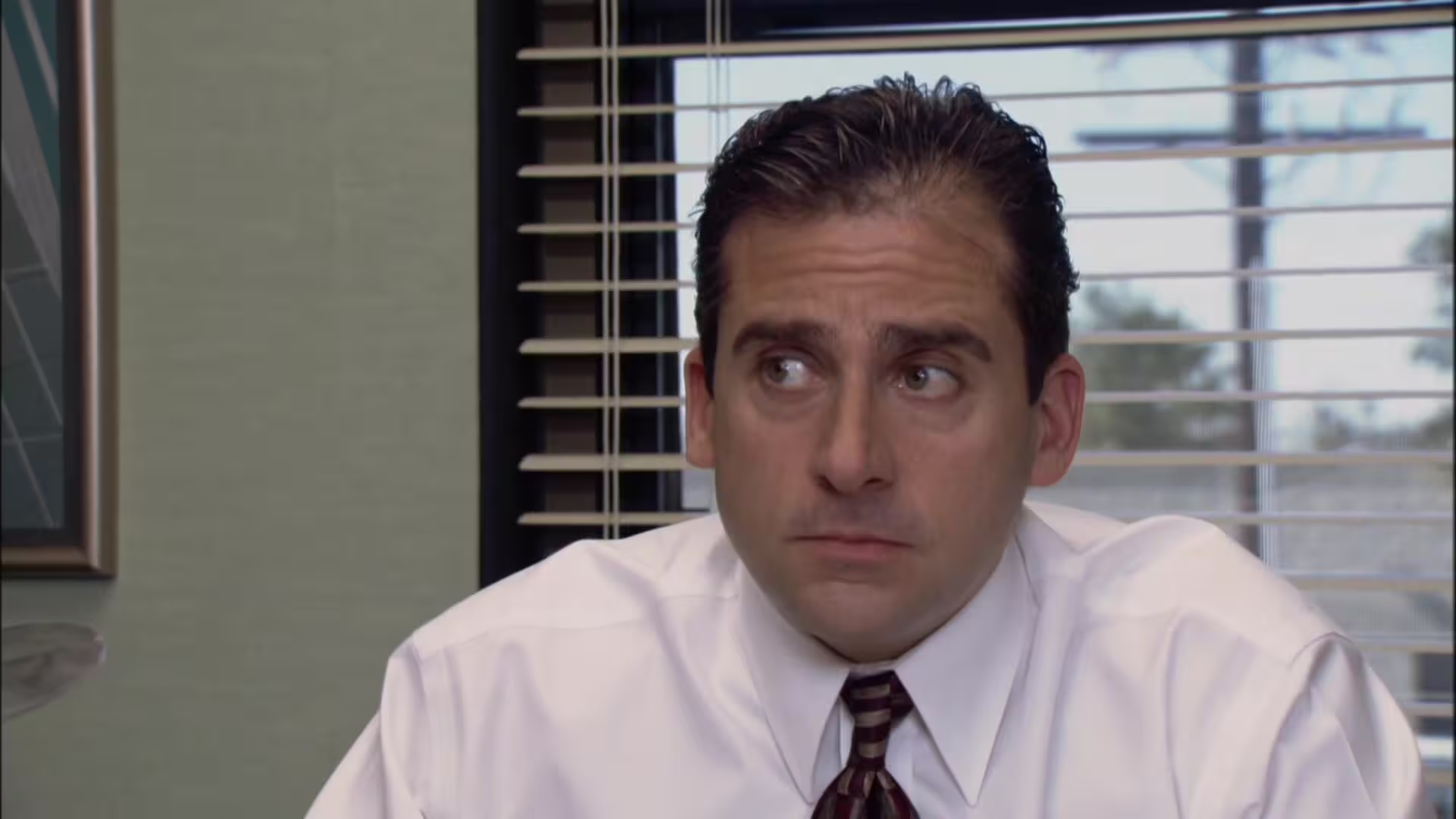
The Power of the Gut Feeling
Steve Carell saw something in the script that others didn’t. He saw the potential for Michael Scott to be more than just a caricature. He saw a man who desperately wanted to be loved but didn’t know how to ask for it. That emotional core is what sustained the show for nearly a decade.
Lessons for Aspiring Creators
If you’re a writer, an actor, or a creator of any kind, the Steve Carell/Paul Rudd story is a goldmine of inspiration.
-
Don’t fear the comparison: Just because something has been done before doesn’t mean you can’t bring a unique voice to it.
-
Context matters: Rudd’s advice was based on the past, but Carell was looking at the future.
-
Persistence pays: The Office was nearly canceled multiple times. It took time for the “burstiness” of its humor to catch on.
Conclusion: A Risk That Paid Off Tenfold
In the end, Steve Carell’s decision to ignore a Hollywood A-lister’s warning didn’t just change his life—it changed ours. The Office remains a comfort show for millions, a meme-generator for the internet age, and a masterclass in ensemble acting. It’s the ultimate proof that sometimes the “wrong” move is actually the most brilliant thing you could ever do. So next time a friend tells you an idea won’t work, just remember Michael Scott. Sometimes, you have to be willing to look a little foolish to achieve something truly legendary.