
There are actors who play characters, and then there are actors who become them. For millions of viewers, John Goodman is not just a performer—he is Dan Conner, the emotional backbone of Roseanne and later The Conners. As he celebrates another year, fans around the world are not simply marking a birthday—they are honoring a legacy that helped define an era of television.
From the very first episode, Goodman brought a rare authenticity to Dan Conner. He was not written as a perfect man, and that is precisely what made him unforgettable. He was flawed, stubborn, warm, and deeply human—a reflection of real life that audiences could recognize instantly. In a genre often driven by exaggerated humor, Goodman grounded the series with emotional weight, turning ordinary family struggles into something profoundly relatable.
What makes his performance even more remarkable is its endurance. Across decades, reboots, and shifting storylines, Goodman has remained a constant presence. Whether portraying Dan as a devoted father, a struggling husband, or a man confronting loss, he has consistently delivered a performance that feels honest rather than performed. It is this consistency that has allowed generations of viewers to form a lasting connection with the character. 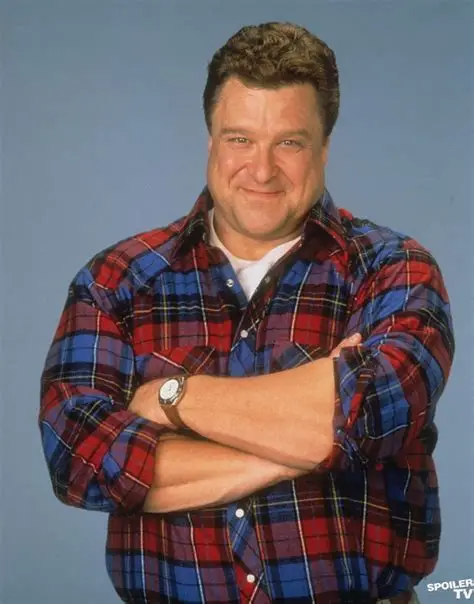
Beyond the screen, Goodman’s influence extends into the broader landscape of television. His portrayal helped redefine what a sitcom father could be—not an idealized figure, but a complex individual navigating real-world pressures. In doing so, he set a standard that many shows have since tried to replicate, but few have matched.
As fans revisit old episodes or follow new chapters in The Conners, one thing becomes clear: Dan Conner is more than a character, and John Goodman is more than an actor. Together, they represent a rare kind of storytelling where performance and reality blur, leaving a lasting emotional imprint.
On this special day, the celebration goes beyond age or milestones. It is a recognition of the moments he has given audiences—the laughter, the silence, the vulnerability, and the truth. And in an industry that constantly evolves, that kind of impact remains timeless.