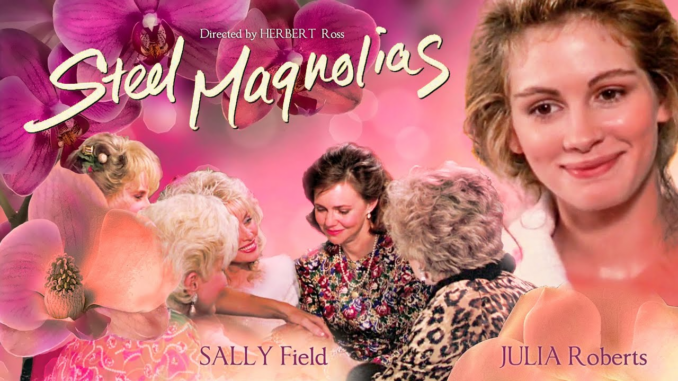
There are films that entertain, and then there are films that leave a lasting ache long after the credits roll. Steel Magnolias belongs to the latter—and at the center of its emotional power is Shelby Eatenton, a character whose story continues to break hearts decades later.
Portrayed by Julia Roberts, Shelby is introduced as vibrant, optimistic, and full of life. She laughs easily, loves deeply, and refuses to let her illness define her. Diagnosed with Type 1 Diabetes, she lives under constant medical risk—but chooses joy anyway. That decision, however, comes at a cost that the film never allows the audience to forget.
From the beginning, there is a quiet tension surrounding Shelby’s future. Her desire to build a family clashes with the warnings of those who love her, especially her mother. Yet she moves forward with determination, embracing life fully despite the risks. It is this courage that makes her journey so inspiring—and ultimately, so devastating.
As the story unfolds, Shelby’s health begins to decline. What once felt like manageable struggle turns into something far more serious. Her body, pushed beyond its limits, can no longer keep up with her will. The film does not dramatize this with spectacle; instead, it presents her deterioration with a painful realism that feels almost too intimate to watch. 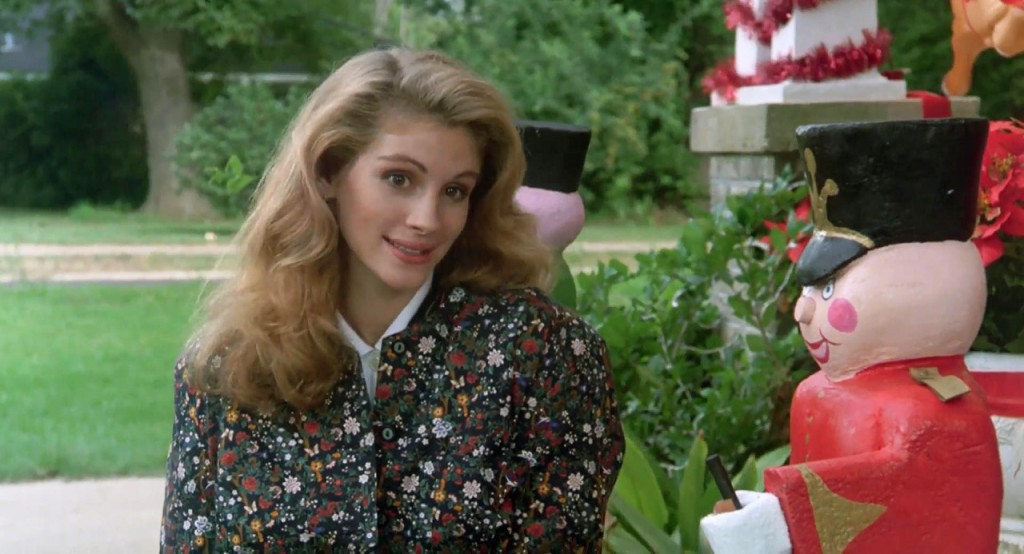
Her death is not just a plot point—it is an emotional rupture. It leaves behind a silence filled with grief, particularly for her mother, whose heartbreak becomes one of the most unforgettable moments in the film. In that loss, Steel Magnolias captures something universal: the unbearable reality of loving someone you cannot save.
And yet, Shelby’s story is not defined solely by tragedy. It is defined by the way she lived. Her laughter, her defiance, her refusal to surrender to fear—these are the things that endure. She becomes a reminder that life’s value is not measured by its length, but by its intensity and sincerity.
Years later, audiences continue to return to Steel Magnolias, not just to relive the sadness, but to reconnect with that emotional truth. Shelby Eatenton remains one of cinema’s most poignant characters—not because she dies, but because she shows, in every moment before that, what it means to truly live.