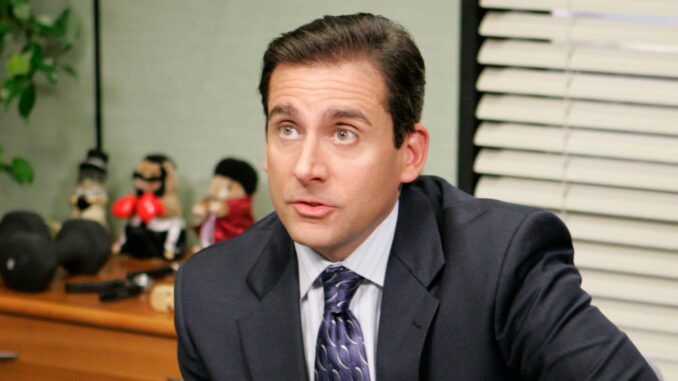
The Global Paper-Pushers: A Deep Dive into the 13 Versions of The Office
The Office is more than just a sitcom; it’s a mirror held up to the mundane reality of the 9-to-5 grind. While we all know Michael, Jim, Pam, and Dwight, they aren’t the only ones. There are currently 13 distinct versions of the show (with more in development), ranging from the original UK masterpiece to the vibrant adaptations in India, Israel, and Poland.
Despite the different languages and cultural nuances, the DNA remains the same. The show relies on four pillars. If one fails, the whole cubicle farm collapses. But how do these characters change when the setting shifts from a mid-tier American city to a high-rise in Chile?
The Delusional Captain: The Michael Scott / David Brent Archetype
At the center of the storm is the boss. Whether his name is David Brent, Michael Scott, or Bernd Stromberg, he is the engine of awkwardness. He desperately wants to be loved, lacks a filter, and views himself as a philosopher-king rather than a middle manager.
The Original Cringe: David Brent (UK)
Ricky Gervais’s David Brent wasn’t just a boss; he was a warning. He was desperate, often mean-spirited, and deeply insecure. Unlike the later versions, Brent didn’t have a “heart of gold” hidden away. He was a pure study in social failure.
The Lovable Loser: Michael Scott (USA)
Steve Carell took the blueprint and added a layer of earnestness. Michael Scott is a child in a suit. He’s annoying, yes, but he truly views his employees as family. This shift was crucial for the US version’s longevity—you can’t watch a “mean” boss for nine seasons without getting a headache.
The Global Variants: From Stromberg to Sajid
-
Bernd Stromberg (Germany): Known as the “Alpha Animal,” the German version is arguably the meanest. He is biting, cynical, and highly intelligent in his manipulation.
-
Sajid Farooqui (India): In the Indian adaptation, the boss balances the traditional hierarchy of Indian work culture with the buffoonery we expect, often clashing with his “cool boss” aspirations.
The Charming Prankster: The Jim Halpert / Tim Canterbury Archetype
We all need a Jim. He’s the audience’s surrogate—the guy who looks at the camera when things get weird. He’s talented but unmotivated, staying at a dead-end job solely for a girl.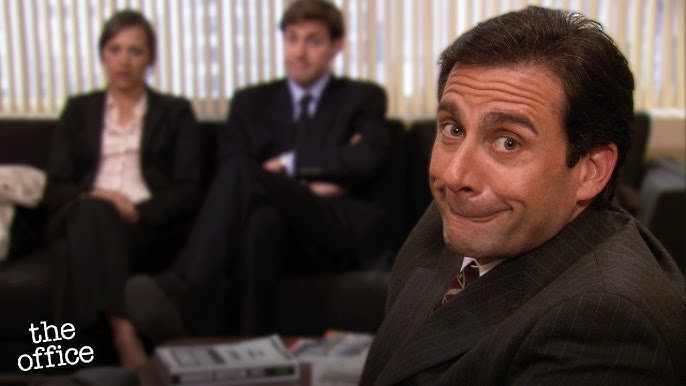
The Slacker with a Heart: Tim Canterbury (UK)
Martin Freeman’s Tim was a bit more “everyman” than John Krasinski’s Jim. He felt stuck. There was a palpable sense of sadness in Tim that made his small victories feel monumental.
The King of Smirk: Jim Halpert (USA)
Jim turned pranking into an art form. While Tim was just trying to survive the day, Jim seemed to be running a long-term social experiment on Dwight. He’s the cool guy we all want to be, even if he’s just selling paper in Scranton.
International Flairs: Amit and Marek
-
Amit (Israel): In HaMisrad, Amit brings a specific Israeli “chutzpah” to the role. The dynamic is faster, louder, and deeply rooted in the local social fabric.
-
Marek (Poland): In The Office PL, the Jim-equivalent operates in a modern, post-communist corporate landscape where his cynicism feels particularly sharp.
The Heart of the Office: The Pam Beesly / Dawn Tinsley Archetype
The receptionist is the glue. She is the most “normal” person in the building, dealing with the boss’s whims while harboring a secret crush on the salesman across the room.
The Trapped Soul: Dawn Tinsley (UK)
Dawn was a tragic figure for most of the UK run. She was engaged to a man who didn’t respect her art, and her quiet chemistry with Tim was the show’s emotional backbone.
The Evolution of Pam Beesly (USA)
Pam arguably has the best character arc in the franchise. She goes from a “silent mouse” to a confident woman who speaks her mind. Jenna Fischer’s portrayal turned a supporting role into the soul of the series.
Cultural Nuances: Leyla and Tali
-
Leyla (India): The Indian Pam has to navigate traditional family expectations regarding marriage while working in a modern office, adding a layer of social pressure not seen in the Western versions.
-
Tali (Israel): She is often more assertive than her UK or US counterparts, reflecting the more direct communication style of Israeli culture.
The Loyal Soldier: The Dwight Schrute / Gareth Keenan Archetype
Every office has a “rules lawyer.” This character takes the job way too seriously, loves authority, and usually has a bizarre set of hobbies.
The Military Man: Gareth Keenan (UK)
Gareth was a Territorial Army soldier who treated the office like a battlefield. He wasn’t “weird” in a sci-fi way like Dwight; he was weird in a “I take my rank very seriously” way.
The Beet Farmer: Dwight K. Schrute (USA)
Rainn Wilson’s Dwight is a force of nature. He’s a beet farmer, a volunteer sheriff, and a martial arts enthusiast. He is the ultimate antagonist-turned-friend, and his transition from Jim’s victim to Regional Manager is legendary.
Global Extremes: From France to Chile
-
Joël Liotard (France): In Le Bureau, the Dwight-equivalent is just as intense but with a distinctly French flavor of bureaucratic obsession.
-
Cristián Müller (Chile): In La Ofis, he embodies the rigid, old-school Chilean work ethic that clashes hilariously with the modern world.
Why Does This Formula Work Everywhere?
You might wonder: How can the same four people exist in Saudi Arabia, Canada, and the Czech Republic? It’s because corporate culture is a global equalizer. Whether you are in Riyadh or Montreal, you probably have a boss who tells bad jokes, a coworker you have a crush on, and a colleague who reminds the teacher they forgot to assign homework. The “Big Four” represent the archetypal roles we play to survive the 40-hour work week.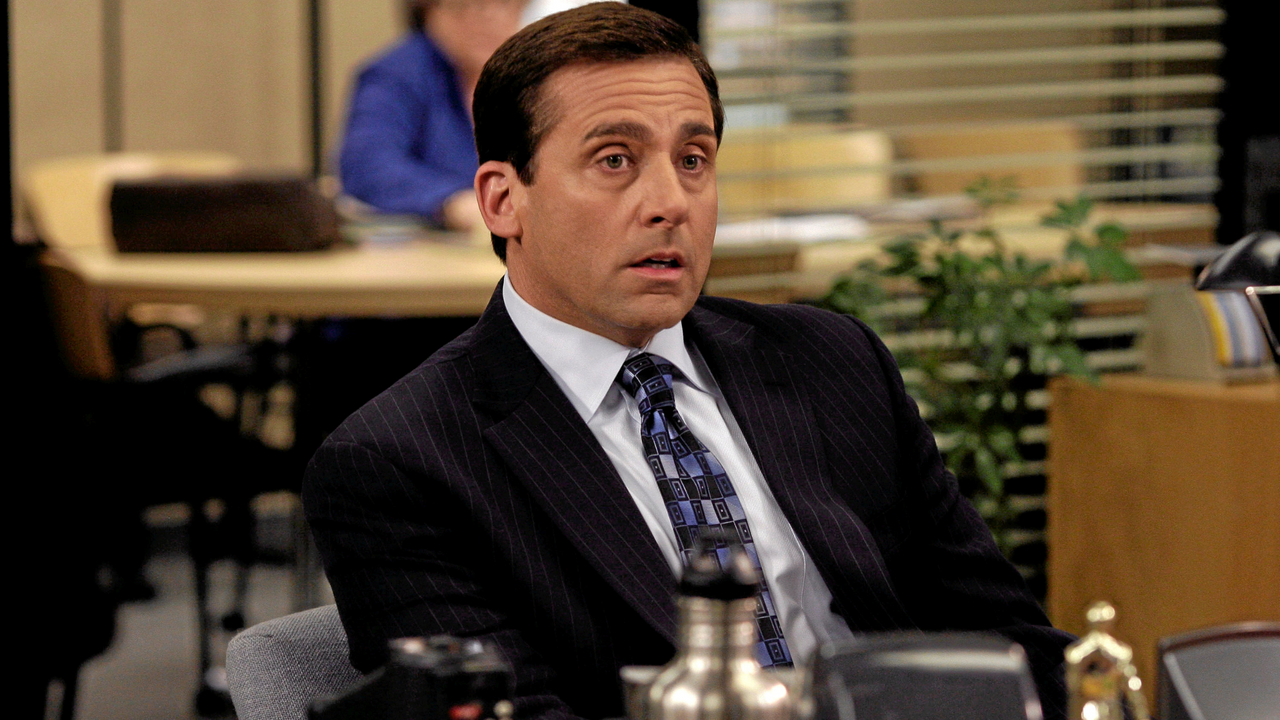
The “Cringe” Factor Across Borders
Cringe is a universal language, but what makes people squirm differs. In the Middle Eastern version (Al Maktab), the humor navigates local social norms and etiquette, making the boss’s faux pas feel specific to that region’s values of hospitality and respect.
The Evolution of the Mockumentary
While the original UK version used the mockumentary format to feel like a bleak BBC documentary, the international versions have experimented with the style. The Polish version (The Office PL) uses high-definition, vibrant colors, making the “paper company” look surprisingly modern and sleek, reflecting Poland’s rapid economic growth.
Conclusion: The Office is a Global Family
Whether you prefer Michael Scott’s “That’s what she said” or David Brent’s “Simply the best,” the four main characters of The Office are universal symbols of the human condition. They represent our ambitions, our frustrations, and our need for connection in the most boring of places. Across 13 versions and counting, we’ve learned one thing: no matter where you are in the world, the office is always a little bit crazy.
Would you like me to create a comparison table of all 13 versions and their specific character names?