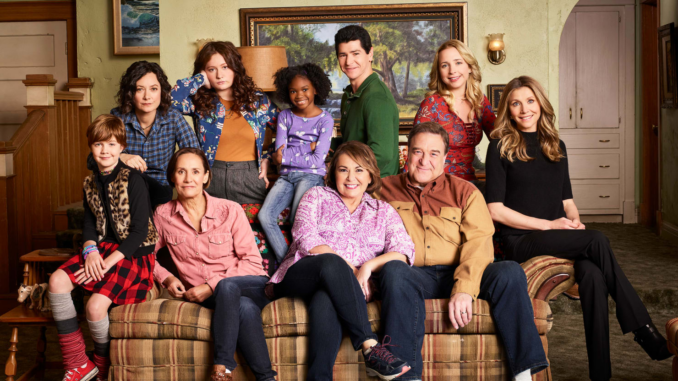
For years, Roseanne was celebrated as one of television’s most authentic and groundbreaking sitcoms. Its sharp humor and raw portrayal of working-class life earned widespread acclaim and a devoted audience. But behind the laughter, a very different story was unfolding.
Recent comments from actress Sarah Chalke have reignited discussion about what truly happened behind the scenes—describing the set as a “pressure cooker” defined by tension, instability, and constant upheaval.
A Set Under Pressure
According to Sarah Chalke, the working environment on Roseanne was far from the lighthearted atmosphere viewers might expect from a sitcom. Instead, it was marked by intense pressure, where creative disagreements and shifting dynamics created a sense of unpredictability.
The term “pressure cooker” suggests more than just stress—it implies a workplace where emotions ran high and conflict was never far from the surface. For a show built on humor and relatability, this contrast is striking.
Constant Turnover Behind the Camera
One of the most revealing aspects of these accounts is the reported turnover among writers. Multiple sources have pointed to frequent firings and creative reshuffling in the writers’ room, leading to an unstable production process.
Such instability can have significant consequences:
- Inconsistent storytelling direction
- Strained collaboration between cast and crew
- A working environment driven by urgency rather than cohesion
While some level of creative tension is common in television production, the scale described in Roseanne’s case appears unusually high.
The Cost of Creative Control
Part of the tension has often been attributed to strong creative personalities involved in the show. High levels of creative control can help shape a distinctive voice, but they can also lead to conflict when visions clash.
In the case of Roseanne, that intensity may have contributed to both its success and its internal struggles. The same force that made the show bold and original may also have made its production environment difficult to sustain. 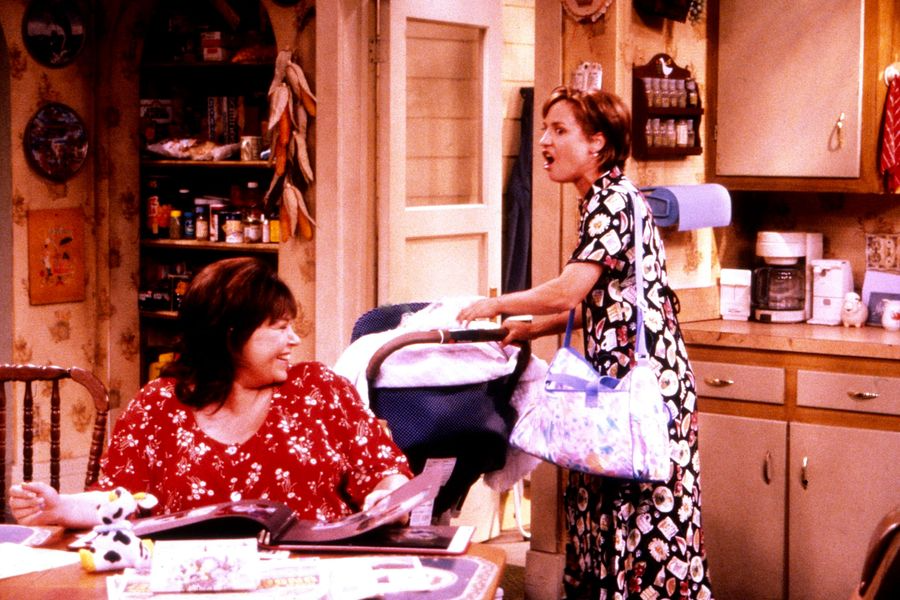
Comedy on Screen, Conflict Off Screen
The contrast between what audiences saw and what reportedly occurred behind the scenes raises a compelling question: how can a show that delivers humor and warmth be produced in such a high-pressure environment?
Industry experts often note that comedy, perhaps more than any other genre, demands precision. Timing, writing, and performance must align perfectly. That pressure to consistently deliver can create conditions where tensions escalate quickly.
Rethinking a Television Classic
These revelations do not erase the cultural impact of Roseanne, but they do complicate its legacy. The show remains a landmark in television history, yet its behind-the-scenes reality adds a layer of complexity to how it is remembered.
Was the chaos a necessary ingredient for its success, or a flaw that ultimately contributed to its downfall?
As more voices from the production come forward, one thing becomes clear: the story of Roseanne is not just about what happened on screen, but also about the intense and often turbulent process that brought it to life.