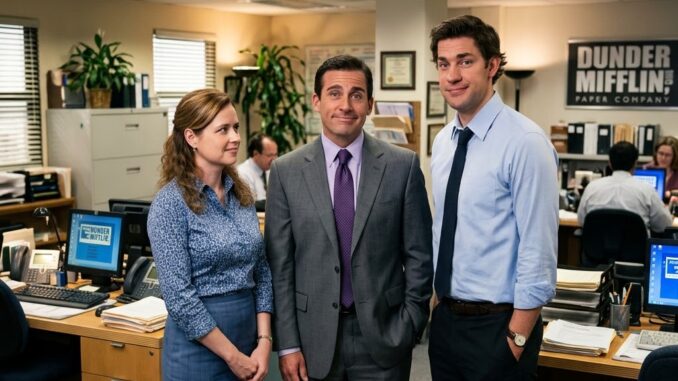
‘The Office’ Crew Blames NBC for Forcing Steve Carell’s Exit: ‘It Was Absolutely Asinine’
The Day the Paper Magic Faded
Picture this: It’s 2011. The world is obsessed with planking, Adele is rolling in the deep, and Scranton, Pennsylvania, is the center of the television universe. But behind the scenes of Dunder Mifflin, a slow-motion car crash was happening. Steve Carell, the man who turned a cringeworthy regional manager into the most lovable buffoon in TV history, was packing his bags. For years, we thought he just wanted to do movies. We thought he wanted more time with his family. We were wrong.
The truth, as it turns out, is a lot more frustrating. It wasn’t a choice; it was a cold-shouldered dismissal from the suits at the top. The crew and cast have finally pulled back the curtain, and they aren’t holding back. To put it in the words of those who were there: the way NBC handled Carell’s contract was “absolutely asinine.”
The Accidental Comment That Started the Fire
A Radio Interview Gone Wrong
It all started with a casual remark. Steve Carell was doing a radio interview and mentioned that the upcoming season—Season 7—might be his last. At the time, he hadn’t made a firm decision. He was thinking out loud, perhaps testing the waters or waiting for a signal from the network that they wanted him to stay.
The Silence from the Suits
Imagine you’re dating someone for seven years. You mention, “Hey, I might move next year,” hoping they’ll say, “Please don’t go! I love you!” Instead, they just shrug and start looking for a roommate. That’s exactly what NBC did. They didn’t call his agent. They didn’t offer a new contract. They didn’t even say “Happy Birthday.” By failing to react, the network essentially showed Carell the door.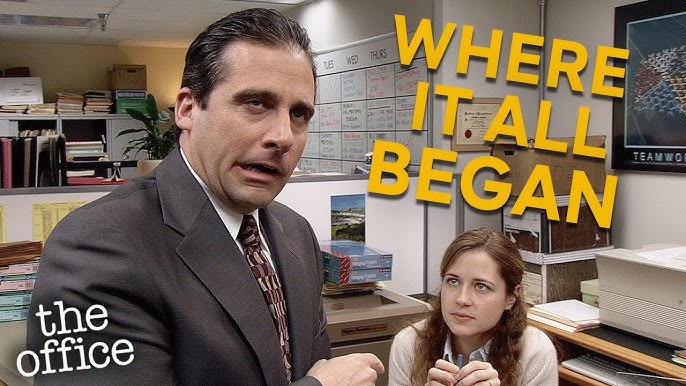
Why It Was “Absolutely Asinine”
The Logic (Or Lack Thereof) of Corporate Decisions
How do you let the MVP of your entire lineup walk away without a fight? It’s like the Chicago Bulls letting Michael Jordan go because they forgot to check their voicemail. The crew members, from the camera operators to the producers, watched this play out in real-time with their jaws on the floor.
A Change in Leadership
At the time, NBC was undergoing a massive shift in leadership. New executives were coming in, and they didn’t have the same “emotional” connection to the show that the previous regime did. To them, Steve Carell was just a line item on a budget. They didn’t realize that Michael Scott wasn’t just a character; he was the glue holding the entire ecosystem together.
The Emotional Toll on the Cast and Crew
A Family Divided
Working on The Office wasn’t just a 9-to-5 job; it was a tight-knit community. When the realization hit that Steve was actually leaving, the atmosphere on set shifted. There was a sense of mourning. John Krasinski, Jenna Fischer, and Rainn Wilson weren’t just losing a lead actor; they were losing their captain.
The “Goodbye, Michael” Episode
Have you ever tried to watch “Goodbye, Michael” without crying? It’s impossible. Now, imagine filming it knowing that it didn’t have to happen. The crew recalls that the tears shed during those final scenes weren’t just “acting.” They were real. The pain of losing a mentor and a friend was compounded by the anger that the network hadn’t lifted a finger to stop it.
The Downward Spiral of Post-Michael Scranton
The Search for a Replacement
After Steve left, the show felt like a ship lost at sea. We saw a rotating door of managers—Deangelo Vickers, Robert California, Andy Bernard. While James Spader is a legend in his own right, the chemistry was… off. It was like trying to replace a missing puzzle piece with a grape. It just didn’t fit.
The Ratings Struggle
While The Office remained popular, it lost that lightning-in-a-bottle energy. The “World’s Best Boss” was gone, and the audience could feel the vacuum. The network’s decision to save a bit of money on a contract renewal ended up costing them the very soul of their most profitable franchise.
The Power of the Regional Manager
Why Michael Scott Was Irreplaceable
Michael Scott was a masterpiece of writing and performance. He was a man who desperately wanted to be loved but had no idea how to socialise. He was the “World’s Best Boss” in his own mind and a nightmare for HR. But beneath the “That’s what she said” jokes was a heart of pure gold. Carell brought a vulnerability to the role that prevented Michael from being a villain. Without that balance, the show leaned too far into absurdity.
Inside the Book: ‘The Office: The Untold Story’
Much of this frustration came to light in Andy Greene’s book, The Office: The Untold Story of the Greatest Sitcom of the 2000s. In it, crew members like Kim Ferry (hair stylist) and Allison Jones (casting director) broke their silence. They confirmed that Steve was ready to sign for more seasons, but the “powers that be” simply never asked.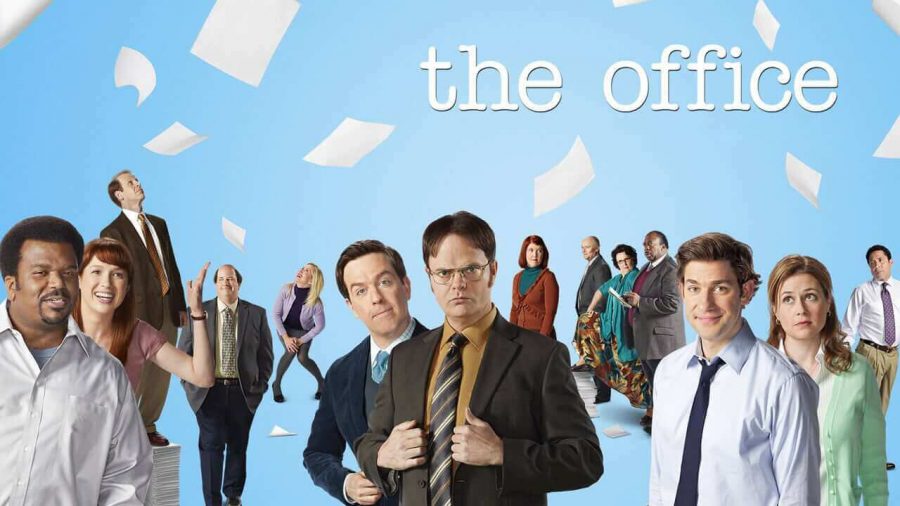
The Agent’s Perspective
Even Steve’s representatives were baffled. They were waiting for a negotiation that never started. It wasn’t about the money for Steve; it was about being wanted. When the network stayed silent, Steve, being the classy guy he is, assumed it was time to move on gracefully rather than beg for a seat at the table.
The Legacy of the Blunder
A Lesson for Modern TV
In the age of streaming, The Office is more popular than ever. It’s the ultimate comfort show. But when fans reach the end of Season 7, there’s always a bittersweet feeling. We know what’s coming. We know the show changes. And now we know it was all because of a corporate oversight.
The “Asinine” Reality
The word “asinine” is perfect here. It implies a level of stupidity that goes beyond a simple mistake. It’s a failure of vision. NBC had a gold mine and decided to stop digging because they didn’t want to buy a new shovel.
Steve Carell’s Graceful Exit
No Bitter Words
Despite the messy behind-the-scenes drama, Steve Carell never trashed the network. He remained a professional until the very last frame. He gave us a perfect send-off, even if he was being nudged toward the exit. His humility is a testament to why everyone loved him so much.
Where Is He Now?
Carell went on to have a massive film career, proving he’s a powerhouse actor. From The Big Short to Foxcatcher, he’s shown incredible range. But for many of us, he will always be the man who drove his car into a lake because the GPS told him to.
Could a Reboot Fix the Mistake?
There are always rumors of a reboot or a “spiritual successor.” But can you really capture that magic again? Without the original environment and the specific dynamic created by Carell, it’s a risky move. Some things are better left in the past, serving as a reminder of what happens when you don’t appreciate what you have until it’s gone.
The Fans’ Perspective
The Infinite Loop of Streaming
We keep rewatching because we love the characters. We love the “Dundies,” the office Olympics, and the “Dinner Party” (which is arguably the best episode of television ever made). Knowing the truth about Steve’s exit makes those rewatches a little more poignant. We aren’t just watching a character leave; we’re watching a masterpiece be cut short by a spreadsheet.
Final Thoughts: The Ghost in the Scranton Office
The story of Steve Carell’s exit is a cautionary tale about the intersection of art and commerce. It reminds us that behind every great show is a delicate balance of people and passion. When you treat creators and actors like interchangeable parts, the machine starts to rattle.
NBC might have saved a few dollars in the short term, but they lost the chance to finish the greatest sitcom of all time on its own terms. As Michael Scott might say, “I’m not superstitious, but I am a little stitious.” Maybe the ghost of Michael Scott still haunts the halls of NBC, reminding them of the time they let the greatest boss in the world walk out the door.
Conclusion
The revelation that NBC effectively forced Steve Carell out of The Office by failing to renew his contract is a bitter pill for fans to swallow. It wasn’t a creative choice or a desire for a movie career that ended the Michael Scott era—it was a bureaucratic fumble. The crew’s frustration is justified; “asinine” is a gentle way to describe losing the heart of a show at the height of its power. While the series continued for two more years, the light was a little dimmer, proving that some people truly are irreplaceable.