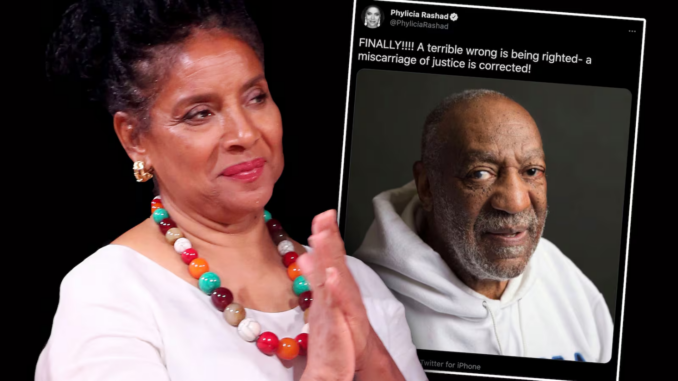
Howard Students and Alumni Call for Phylicia Rashad’s Firing Over Bill Cosby Support
Controversy Erupts at Howard University
A wave of criticism has swept across Howard University after students and alumni publicly called for the removal of Phylicia Rashad from her academic leadership role. The backlash followed Rashad’s public remarks expressing support for Bill Cosby, reigniting a long-running debate about accountability, leadership, and campus values.
Social media quickly filled with reactions from members of the Howard community, many arguing that Rashad’s comments were inconsistent with the university’s commitment to supporting survivors and maintaining a safe academic environment.
What Sparked the Backlash
The controversy began after Rashad publicly reacted to developments related to Cosby. While she framed her remarks around justice and due process, critics said the tone appeared dismissive of the allegations that have surrounded Cosby for years.
Students and alumni argued that a university leader must be mindful of the message such comments send. Within hours, calls for clarification — and eventually resignation — began circulating online.
Some students wrote that leadership positions require sensitivity and responsibility, particularly at an institution known for advocacy and social justice.
Students and Alumni Speak Out
Several student groups voiced concern, saying Rashad’s statements undermined trust. Alumni also joined the conversation, emphasizing the importance of leadership that reflects the community’s values.
Common themes in reactions included:
- Calls for accountability from university leadership
- Requests for an official statement addressing concerns
- Demands for Rashad’s removal from her position
- Emphasis on supporting survivors and campus safety
The situation quickly became one of the most discussed campus controversies in recent memory.
Howard University Responds
As pressure mounted, the university faced increasing calls to address the issue publicly. Administrators emphasized the institution’s commitment to student well-being and respectful dialogue, while acknowledging the strong emotions across campus.
Some members of the community called for restorative conversations rather than immediate disciplinary action, while others insisted leadership changes were necessary.
Phylicia Rashad’s Position Under Scrutiny
Rashad, a respected actress and educator, has long been associated with mentorship and arts education. However, critics argued that public figures in leadership roles must weigh their words carefully, especially on sensitive topics.
Supporters, meanwhile, defended her right to express personal views and urged the community to avoid rushing to judgment.
A Broader Conversation About Leadership
The controversy has sparked a larger discussion about:
- The role of public figures in academic leadership
- Freedom of expression vs. institutional responsibility
- Campus climate and student expectations
- Accountability in higher education
Regardless of outcome, the debate highlights how quickly public statements can influence perception — especially within university communities.
What Happens Next
It remains unclear whether further action will be taken, but the situation continues to evolve. Students and alumni are watching closely, and many expect additional statements or discussions in the coming days.
For now, the incident has become a defining moment — not just for Rashad, but for the broader conversation about leadership, responsibility, and public accountability in higher education.