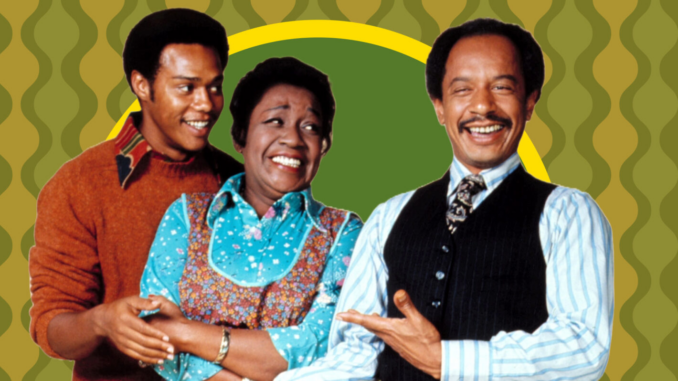
For many viewers, The Jeffersons is remembered as a groundbreaking sitcom that followed an African American family moving up the social ladder. It was bold, unapologetic, and ahead of its time. But decades after its original run, the show is being revisited for a different reason—not just for what it achieved, but for what it left unresolved.
When it first aired in 1975, The Jeffersons pushed boundaries by centering on a successful Black family navigating wealth, status, and identity. At a time when representation on television was limited and often stereotypical, the character of George Jefferson stood out. He was flawed, outspoken, and often controversial, yet undeniably human.
However, in recent years, critics and audiences have begun to re-examine the show through a modern lens. The question is no longer just about its historical importance, but about the contradictions embedded within it.
On one hand, the show challenged racial barriers. On the other, it frequently relied on humor rooted in tension, stereotypes, and conflict. The dynamic between George and his neighbors, as well as his interactions with other Black characters, often walked a fine line between satire and reinforcement of existing social divides.
This duality is what makes The Jeffersons feel “unfinished” today. 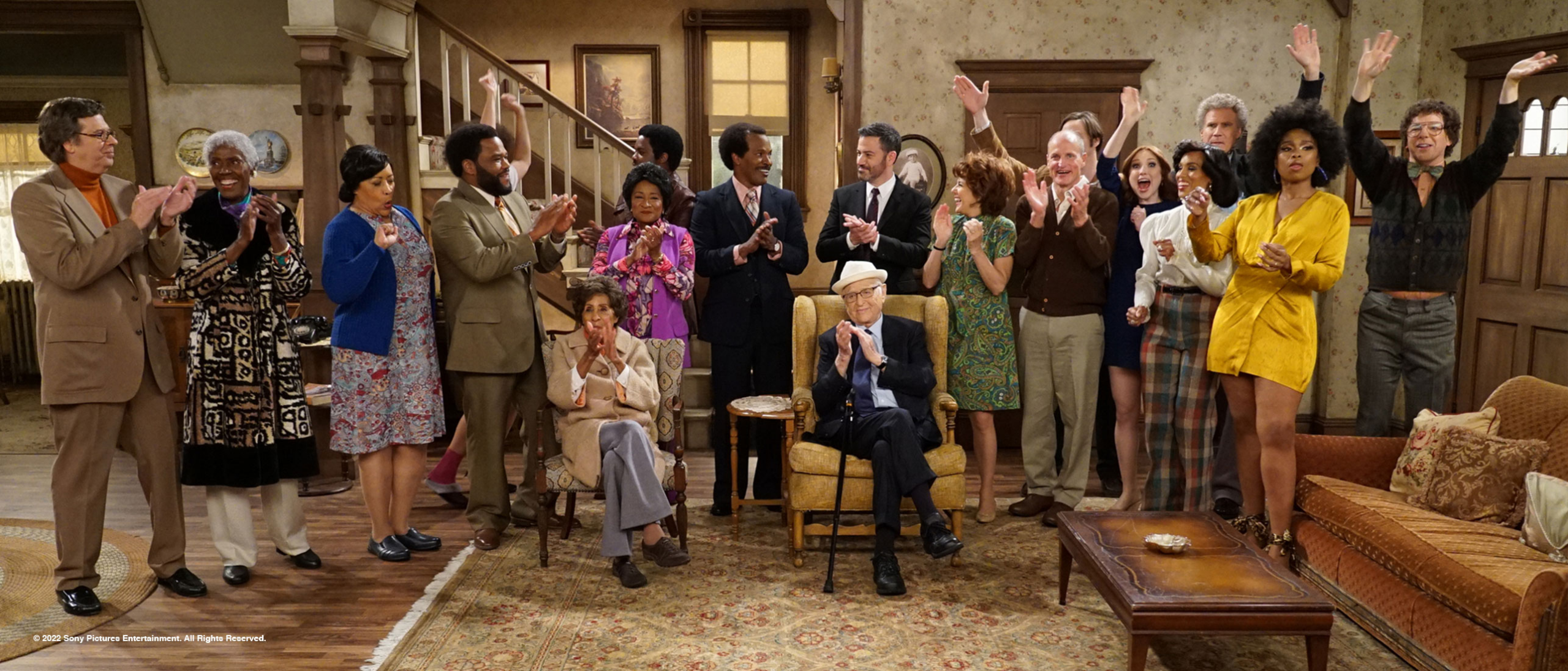
Modern audiences, shaped by a different cultural and political climate, are more sensitive to nuance. What once passed as progressive storytelling is now being dissected for its limitations. The show opened doors, but it also reflected the constraints of the era in which it was created.
The renewed attention is partly driven by retrospectives and re-creations, including live television specials that have introduced the series to a younger generation. These reinterpretations have sparked conversations about whether the show’s legacy should be celebrated, critiqued, or both.
In many ways, The Jeffersons exists in two timelines at once. In the past, it was revolutionary. In the present, it is a subject of debate. That tension is not a weakness—it is what keeps the show relevant.
Rather than offering clear answers, the series leaves behind a complex legacy. It reminds viewers that progress in media is rarely linear. What feels groundbreaking in one era may feel incomplete in another.
And perhaps that is why The Jeffersons still matters. Not because it perfectly captured its time, but because it continues to challenge how we understand it.