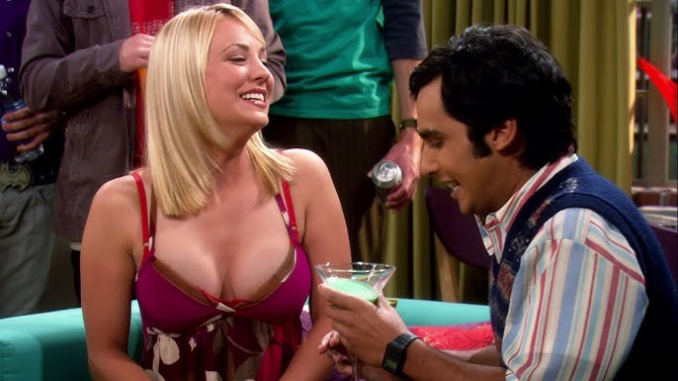
When The Big Bang Theory wrapped its 12-season run, fans were buzzing about the finale. Of course, Sheldon and Amy winning the Nobel Prize was monumental—but one of the most surprising twists wasn’t an award at all. It was Penny’s pregnancy. For many viewers, this revelation was unexpected, even shocking, especially considering Penny’s candid stance throughout the series: she didn’t want children.
Kaley Cuoco, who portrayed Penny, has shared that she originally hoped the series wouldn’t end with her character becoming a mother. From the very beginning, Penny had been outspoken about her hesitations toward parenthood. This reluctance wasn’t just a quirk of the character—it reflected a reality that many people experience. In interviews, Cuoco emphasized that she admired the show for exploring this angle honestly. Not everyone dreams of a traditional family, and Penny’s voice offered a perspective that wasn’t always represented on primetime television. Changing her trajectory in the final episode risked feeling abrupt, she feared.
Interestingly, the showrunner, Steve Holland, acknowledged these concerns. He admitted that the reveal of Penny’s pregnancy could have benefited from more buildup. Behind the scenes, writers debated alternative storylines that would explore Penny’s evolving feelings toward motherhood more gradually. The goal was to create a sense of authenticity, allowing audiences to understand the decision rather than being surprised by it. Holland’s reflections highlight how delicate it can be to balance character consistency with narrative closure in a long-running show.
Despite the concerns, Holland ultimately felt the pregnancy served as a meaningful emotional payoff for Penny and Leonard’s journey. After 12 seasons, viewers had watched their relationship grow from a casual flirtation into a deeply committed partnership. In the first episode, Penny and Leonard’s dynamic was playful and uncertain; by the finale, the pregnancy symbolized the culmination of years of shared growth, trust, and love. For many fans, it was a heartwarming moment that reinforced the enduring connection between these two characters.
The decision also sparked discussion about representation and character agency. Penny’s storyline had long resonated with fans who appreciated a female character with clear opinions about her own life choices. Introducing a pregnancy at the end wasn’t meant to undermine that, but rather to show a new chapter in her life—one that complemented her personal growth while staying true to her relationship with Leonard. It’s a reminder that even beloved characters evolve, and that evolution can sometimes surprise us.
In the end, the pregnancy became one of the most talked-about aspects of the finale, alongside the more publicized Nobel Prize. It sparked debates online, with some fans praising the emotional closure it provided and others wishing Penny’s journey toward motherhood had been explored more thoroughly. Either way, it cemented itself as a memorable moment in The Big Bang Theory legacy.
For a show that often blended science, humor, and heart, Penny’s pregnancy represented a distinctly human element: life’s unexpected turns, the choices we make, and the ways we grow alongside those we love. It may have been a surprise, but for many viewers, it was also a fitting, bittersweet conclusion to one of television’s most enduring love stories.