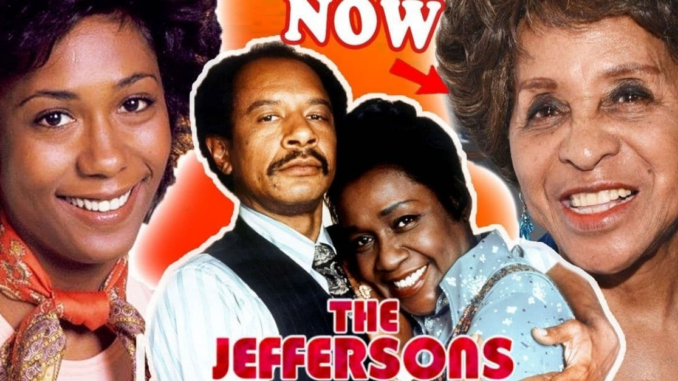
At first glance, The Jeffersons looks like a victory. A family rises from hardship, moves into a luxury apartment, and finally “makes it.” It’s the kind of story people want to believe in — that hard work leads to comfort, that success brings peace. But the deeper you watch, the more unsettling the truth becomes: the Jeffersons didn’t escape struggle… they just entered a different kind of it.
George Jefferson, brought to life by Sherman Hemsley, is loud, proud, and seemingly untouchable. But that confidence is built on something fragile — the constant fear of losing everything. His anger, his arrogance, even his humor, all feel like armor against a world that still refuses to fully accept him. In many ways, George represents a brutal reality: sometimes success doesn’t heal you, it just raises the stakes of your fear.
Beside him, Louise, portrayed by Isabel Sanford, carries a quieter but heavier burden. She is the emotional center, the one who absorbs the tension, smooths the conflicts, and keeps the family from falling apart. But that role comes at a cost. Her strength is not loud, but it is exhausting — the kind of strength that rarely gets recognized, yet holds everything together. And in that silence, there is a kind of pain the show never fully spells out, but always makes you feel. 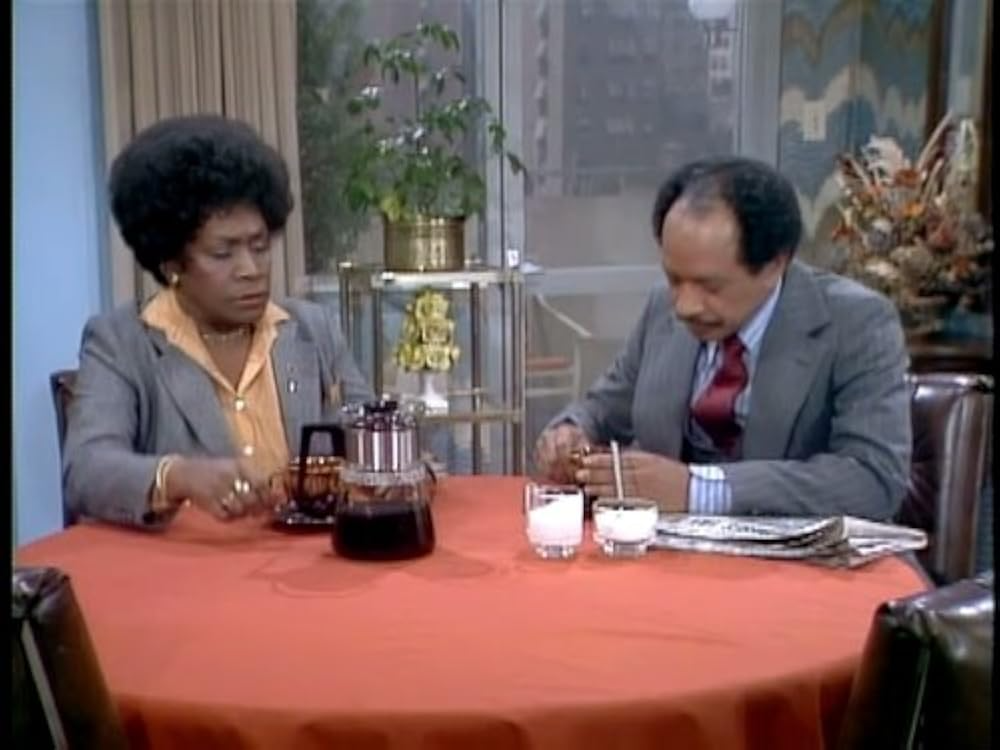
What makes “The Jeffersons” so powerful — and so painful — is how it exposes the illusion of “arrival.” Moving up didn’t end their struggles; it magnified them. Now the pressure isn’t just about surviving, but about maintaining status, proving worth, and navigating a world that watches them differently. Every interaction carries weight. Every success feels temporary. Every moment of pride is shadowed by the possibility of losing it all.
And that’s why this show still hits so hard today. Because in a world where people chase success more than ever — better jobs, higher income, a more stable life — “The Jeffersons” asks a question most don’t want to hear: what if getting there doesn’t fix anything? What if the pain just changes form?
That uncomfortable truth is what makes the show unforgettable. It doesn’t just tell you that life is hard — it shows you that even when you win, the fight doesn’t stop. And once you see that, the laughter feels different. Heavier. Realer. Almost like it’s hiding something you can’t ignore anymore.