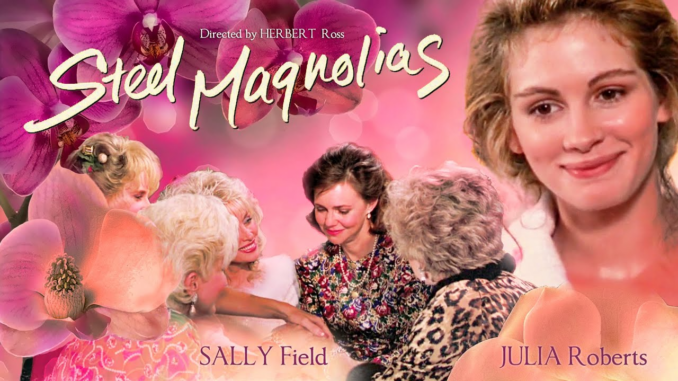
There are films that make you cry, and then there are films that leave a wound. Steel Magnolias belongs to the second kind — a story that doesn’t rely on shock, but on the slow, unbearable realization that something precious is slipping away and no one can stop it. At the heart of that pain is Shelby, portrayed by Julia Roberts, a young woman full of life, dreams, and stubborn hope, even as her body quietly begins to fail her.
What makes the tragedy so devastating is not just what happens, but how it happens. Shelby’s illness is not sudden or dramatic in the traditional sense. It is gradual, almost gentle on the surface, which makes it far more cruel. The audience watches her smile, laugh, and insist on living life fully, knowing — sometimes more clearly than the people around her — that her time is limited. There is no villain to fight, no decision that can reverse the outcome. Only time, moving forward without mercy.
Around her, the women who love her try to stay strong. Sally Field delivers one of the most emotionally devastating performances as M’Lynn, a mother who is forced to do the unthinkable: prepare herself to lose her child. Her strength becomes a mask, one she wears for everyone else, until it finally shatters in a moment that feels less like acting and more like raw grief exposed on screen. When that breakdown comes, it is not controlled, not poetic — it is messy, loud, and painfully real. 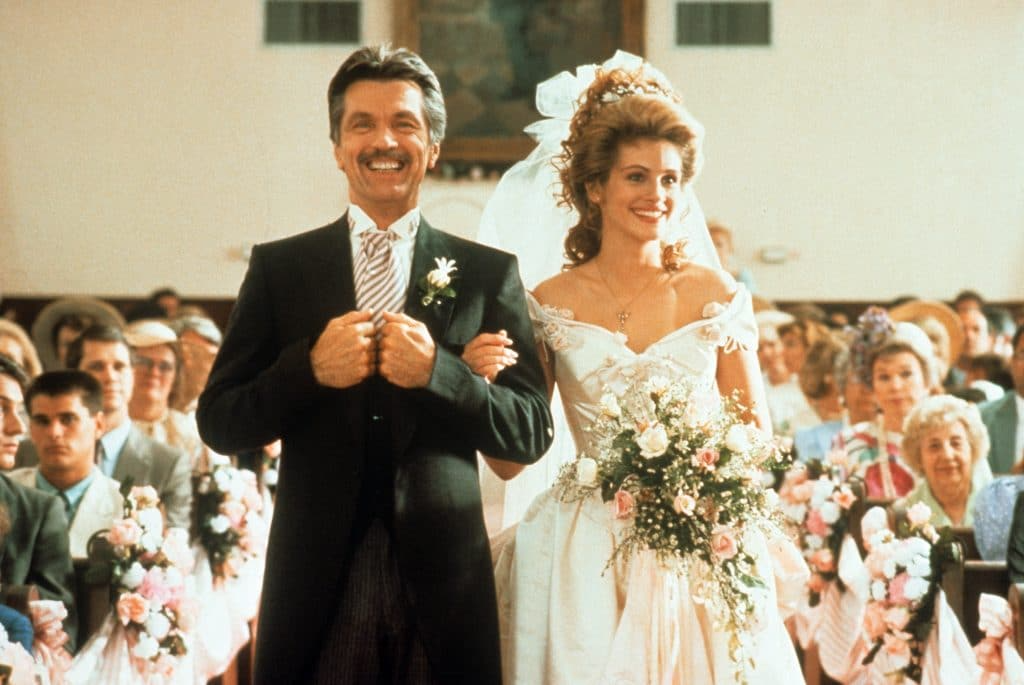
That scene alone is enough to define the film, but what makes “Steel Magnolias” unforgettable is how it builds to it. Every laugh, every small moment of joy, every shared conversation becomes heavier in hindsight. The film doesn’t rush toward tragedy — it lets you sit in it, slowly tightening the emotional weight until it becomes impossible to ignore. By the time loss arrives, it doesn’t feel like a twist. It feels inevitable. And that inevitability is what breaks you.
“Steel Magnolias” is not just about death. It is about watching someone you love fade, about the helplessness of knowing that love is not enough to save them, and about the quiet, unbearable strength required to keep going afterward. It reminds us that some pain doesn’t explode — it lingers, settles, and stays with you long after the story ends. And that is why this film continues to devastate audiences decades later.