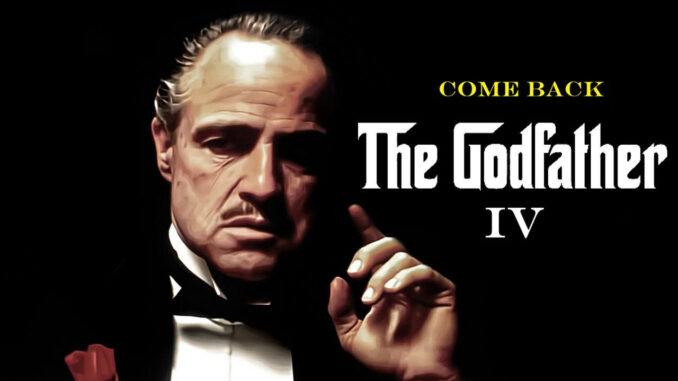
For decades, The Godfather has been celebrated as the ultimate mafia masterpiece — a story of power, loyalty, and legacy. But beneath the iconic lines and unforgettable scenes lies something far more unsettling: a slow, irreversible transformation that feels less like ambition… and more like tragedy.
At the center is Michael Corleone, portrayed by Al Pacino, a man who begins as the one person determined to stay out of his family’s criminal empire. He is calm, distant, almost moral — someone who believes he can live a different life. And that is what makes his journey so devastating. Because step by step, decision by decision, he becomes the very thing he once rejected. Not suddenly, not dramatically — but quietly, inevitably.
Guiding the world he inherits is the shadow of his father, Vito Corleone, played by Marlon Brando. Vito is not just a crime boss; he is a symbol of order within chaos, a man who understands that power comes with rules. But when that power passes to Michael, something changes. The rules don’t disappear — they harden. What was once about family becomes something colder, more calculated, more ruthless.
What makes “The Godfather” so powerful is not the violence, but the emotional cost behind it. Every move Michael makes to protect his family pulls him further away from it. Every victory feels like a loss. Trust erodes. Love fades. And by the time he reaches the top, there is nothing left that resembles the man he used to be. 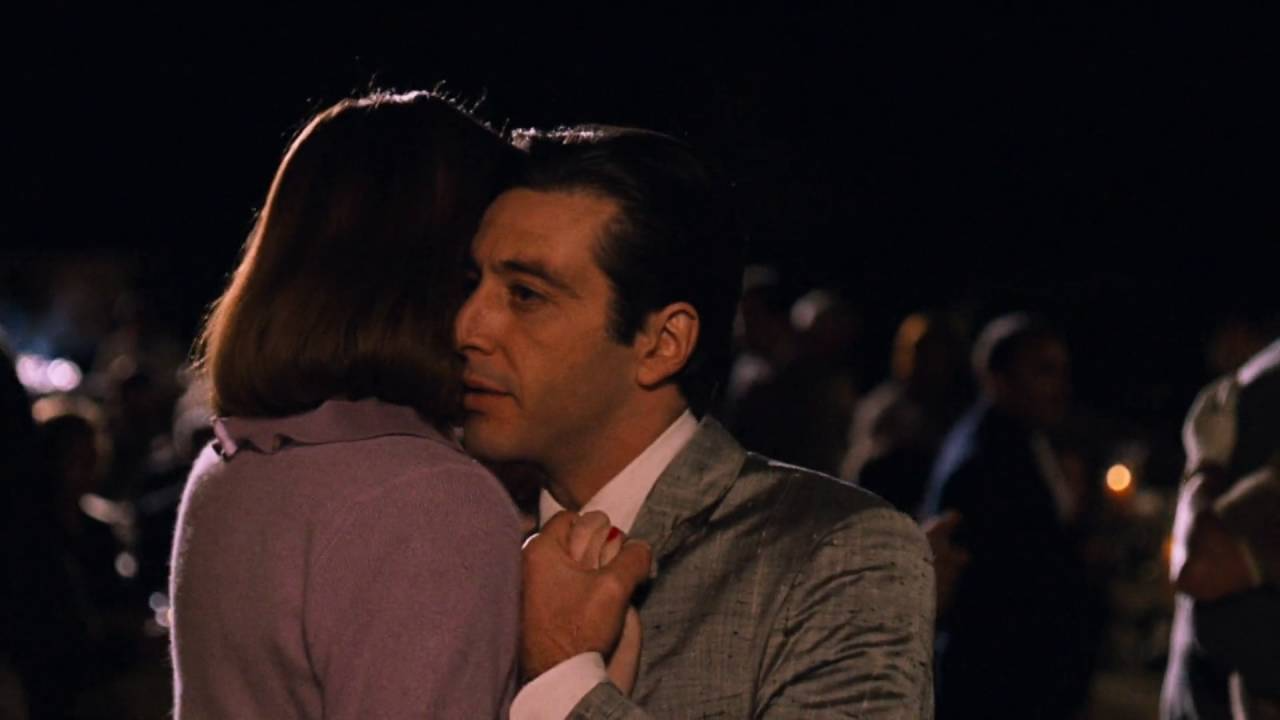
The most chilling part is how subtle it all feels. There is no single moment where Michael “turns evil.” Instead, the film shows how power reshapes a person over time — how justification becomes habit, and how habit becomes identity. It’s not a fall. It’s a transformation you don’t fully notice until it’s already complete.
And that is why the final moments of “The Godfather” remain some of the most haunting in cinema history. Not because of what happens on the surface, but because of what it means. A door closes. A life disappears. And in that quiet, controlled gesture, everything is revealed: Michael Corleone didn’t just take his father’s place. He lost himself completely in the process.
In the end, “The Godfather” is not a story about crime. It is a story about what power demands — and what it takes away. And once you see it that way, the film stops being a legend… and starts feeling like a warning.