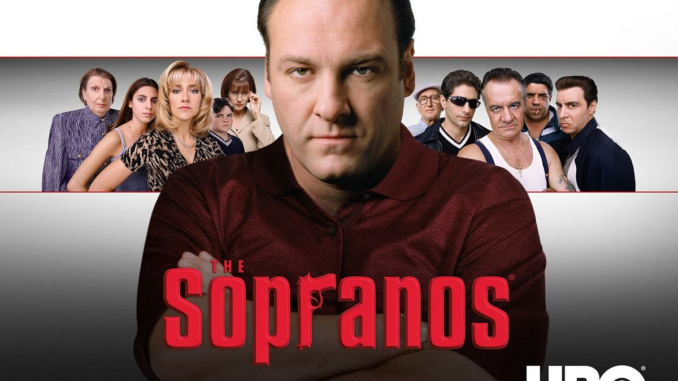
No Bad Years in Jersey: Ranking The Sopranos Seasons From Great to Untouchable
A Masterpiece That Never Slipped — Only Evolved
More than 20 years after its debut, The Sopranos still stands as one of television’s defining achievements. It didn’t just tell a story about organized crime — it reshaped the medium itself, proving that TV could rival cinema in depth, performance, and ambition.
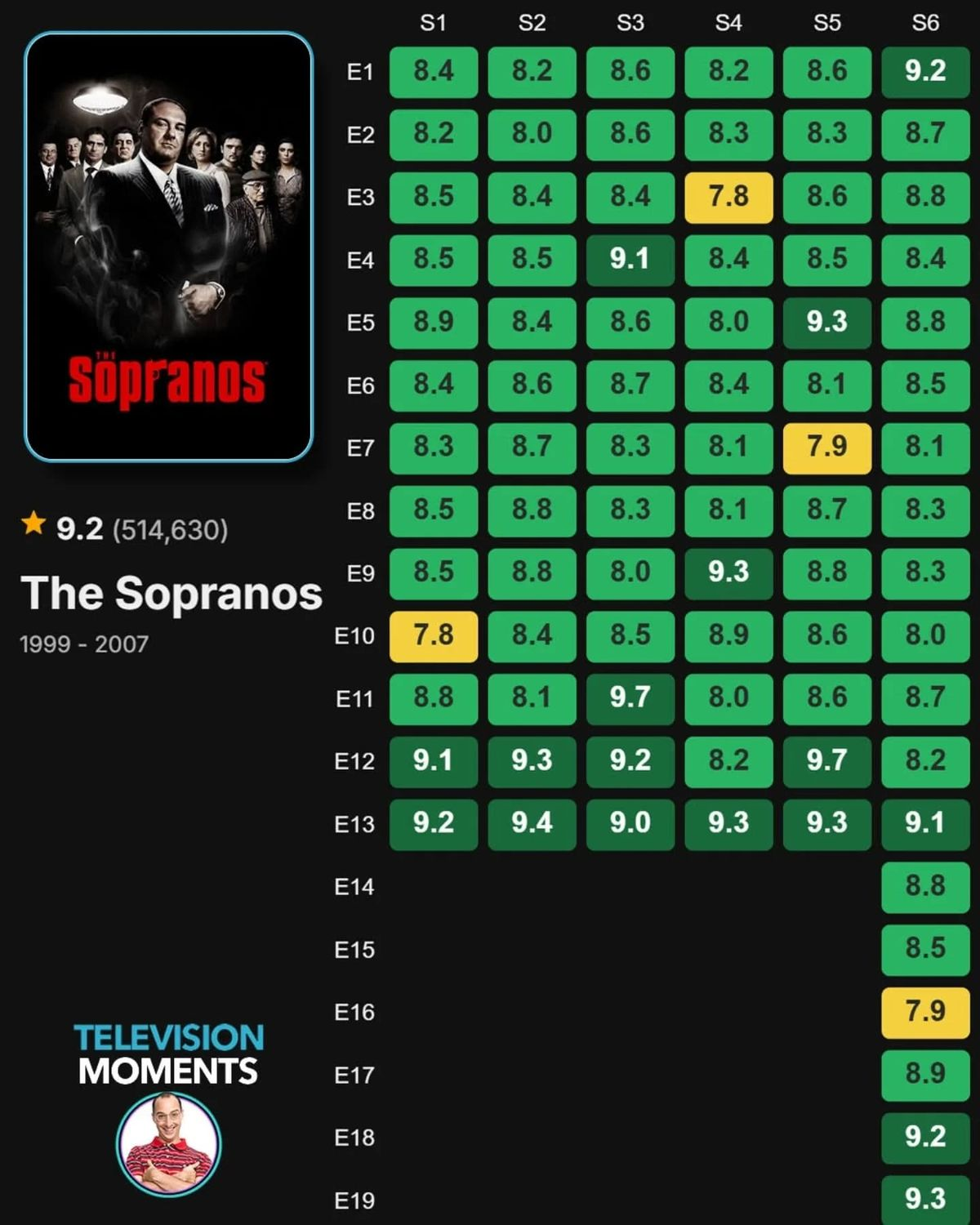
But ranking The Sopranos comes with a problem: there is no weak season. No obvious low point. Instead, each installment builds on the last, deepening its themes of identity, morality, and the quiet unraveling of the American psyche.
So rather than separating the best from the worst, this ranking measures something far more subtle — the difference between great, and untouchable.
6. Season 1 — The Beginning of a New Television Language
Season 1 feels almost deceptively simple compared to what follows, but its importance cannot be overstated. It introduced Tony Soprano as something television had rarely seen before: a violent mob boss who suffers panic attacks and seeks therapy.
James Gandolfini’s performance immediately set the tone — unpredictable, intimidating, yet deeply human. The now-iconic therapy sessions with Dr. Melfi (Lorraine Bracco) gave the series its emotional backbone, grounding the brutality in something painfully real.
If later seasons would perfect the formula, Season 1 invented it.
5. Season 2 — Expanding Power, Tightening Tension
With its foundation established, Season 2 expands the world outward. The introduction of Richie Aprile adds a volatile new dynamic — a character whose unpredictability rivals Tony’s own.
What stands out here is how the show begins to lean into discomfort. Conflicts are less about action and more about control — who has it, who’s losing it, and how quickly things can spiral.
The series becomes more confident, more layered, and more dangerous.
4. Season 4 — The War at Home
Season 4 pulls the focus inward, delivering one of the most emotionally devastating arcs in the series: the breakdown of Tony and Carmela’s marriage.
Edie Falco delivers a career-defining performance, turning Carmela into far more than a mob wife. She becomes a moral counterweight, a victim, and at times, a participant in the very system she resents.
There are fewer explosions here — but the damage cuts deeper. This is The Sopranos at its most intimate, and arguably, its most painful.
3. Season 3 — Darkness Takes Hold
By Season 3, The Sopranos fully embraces its darker instincts. The tone shifts noticeably, with storylines that explore grief, guilt, and the consequences of a life built on violence.
This is where the show stops asking whether Tony can change — and starts showing why he won’t.
The world feels heavier. The characters feel trapped. And the illusion of control begins to slip.
2. Season 5 — Past and Present Collide
Season 5 raises the stakes by forcing Tony to confront his past in ways he can no longer avoid. Old relationships resurface, and with them, unresolved tensions that threaten to destabilize everything he has built.
The writing becomes sharper, the pacing tighter, and the sense of inevitability stronger. Every decision carries weight — not just for Tony, but for everyone around him.
This is where power starts to look less like strength, and more like a burden.
1. Season 6 — The Slow Fade to Black
Split into two parts, Season 6 serves as both a culmination and a deconstruction of everything The Sopranos had been building toward.
Gone is any illusion of glamour. What remains is exhaustion, paranoia, and an overwhelming sense of emptiness. Tony is no longer rising — he’s enduring.
And then, of course, there’s the ending.
The infamous cut to black is less a conclusion than a statement. Life doesn’t resolve neatly. Violence doesn’t offer closure. And for Tony Soprano, certainty may be the one thing he’ll never have again.
Conclusion — Degrees of Greatness
Ranking The Sopranos ultimately says less about which season is “better” and more about how consistently brilliant the series remained.
There are no failures here. No decline. Only evolution.
From its groundbreaking first season to its haunting final moment, The Sopranos didn’t just maintain excellence — it redefined it.
And in doing so, it left behind something rare:
a show where even its lowest point still stands among television’s highest achievements.