
For years, Roseanne built its legacy on sharp humor, raw honesty, and the unfiltered struggles of a working-class family. Audiences laughed with them, argued with them, and saw themselves in their chaos. But beneath that laughter, the show was quietly building toward one of the most devastating emotional turns in television history.
It did not arrive with dramatic music or a shocking visual.
It came with a realization.
The Illusion That Broke the Audience
Throughout the series, Dan Conner stood as the emotional anchor of the family. Flawed, stubborn, but deeply loving, he was the constant presence beside Roseanne Conner.
Until the truth surfaced.
Dan had died.
Not in the moment the audience expected. Not in a way that allowed them to grieve alongside the characters. Instead, his death had already happened, hidden beneath layers of storytelling that Roseanne herself had constructed.
What viewers had been watching was not reality.
It was a rewritten version of it.
When Comedy Becomes a Shield
The reveal reframed everything.
Every joke, every argument, every tender reconciliation suddenly carried a different weight. The laughter was no longer just humor—it became a coping mechanism. A way for Roseanne to survive a loss too heavy to face directly.
She rewrote outcomes.
She reshaped relationships.
She created a version of life where the pain did not win.
But the truth remained, quietly pressing against the edges of the story. 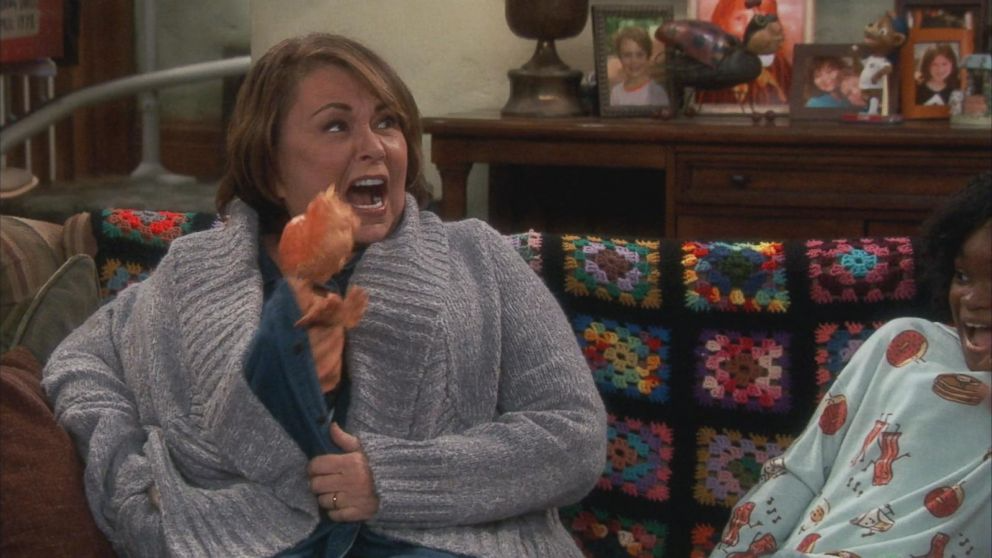
The Silence That Hit Harder Than Any Twist
There is no explosive breakdown.
No dramatic farewell.
What makes this moment unforgettable is its restraint.
The realization settles in slowly, forcing the audience to confront the same emotional void Roseanne has been avoiding. It is not just about loss—it is about denial, grief, and the human instinct to rewrite reality when the truth becomes unbearable.
The final impact is unsettling: viewers are left questioning how much of what they believed was ever real.
Why This Moment Still Haunts Viewers
This storyline stands apart because it does something rare. It does not simply present tragedy—it redefines the entire narrative through it.
- It transforms a sitcom into a psychological portrait of grief
- It challenges the audience’s trust in storytelling itself
- It reveals how deeply pain can distort memory and perception
Most importantly, it leaves behind a lingering discomfort: the sense that happiness, as it was shown, may have only existed as an illusion.