This is not a story about a rise to power.
It is a story about the exact moment a man stops being human—and no one stops him.
The Godfather doesn’t shock you with sudden evil.
It traps you in a slow transformation so precise, so logical… that by the time you realize what happened, you’ve already accepted it.
And that is the real horror.
He Didn’t Change Overnight — That’s Why It’s Terrifying
Michael Corleone does not begin as a monster.
He is calm. Controlled. Distant from the family business.
He represents something different—a future untouched by violence.
And that’s exactly why he is the most dangerous.
Because when someone like Michael changes, it doesn’t look like corruption.
It looks like evolution.
The Lie That Justifies Everything
Every step Michael takes feels reasonable.
Protect his father.
Defend the family.
Eliminate threats.
Each decision is framed as necessary.
But here’s the truth the film hides in plain sight:
There is always another choice.
Michael just stops taking it.
And once he crosses that line, he never goes back.
The Restaurant Scene: The Birth of a Different Man
When Michael sits down with Sollozzo and McCluskey, the tension is unbearable—not because we don’t know what will happen, but because we do.
The gun is hidden.
The plan is clear.
The outcome is inevitable.
But the real moment is not the shooting.
It’s the silence before it.
That pause—where Michael could still walk away.
And doesn’t.
That is where the transformation begins. 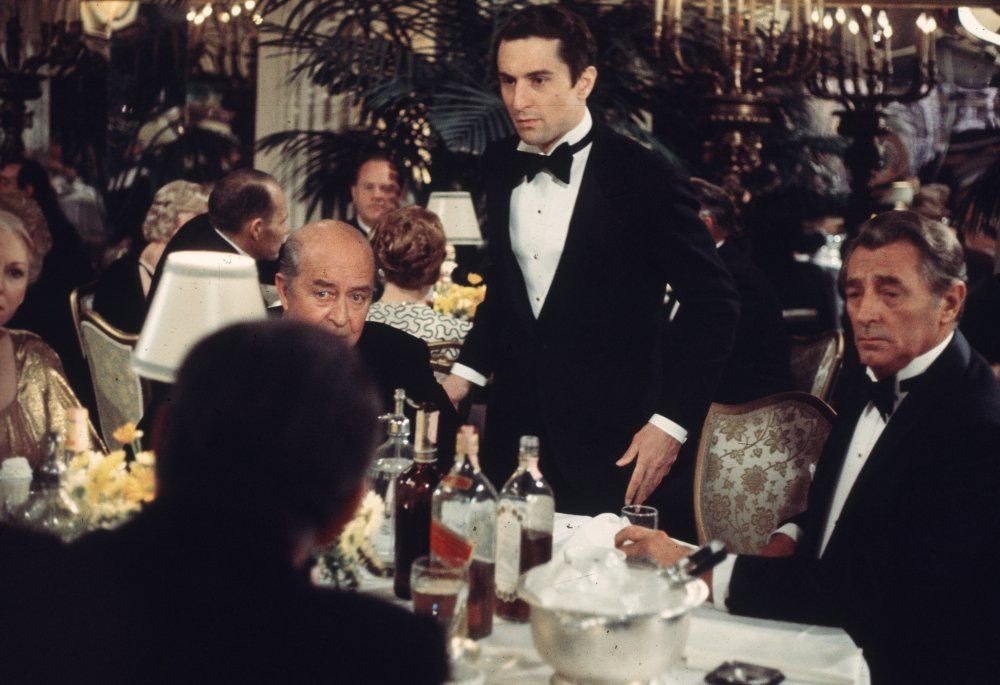
Power Doesn’t Corrupt Him — It Reveals Him
Unlike traditional narratives, The Godfather does not suggest that power changes Michael.
It suggests something far more unsettling:
Power reveals who he is capable of becoming.
As he rises, he becomes colder.
More precise.
More detached.
Not chaotic. Not emotional.
Just… efficient.
And that makes him unstoppable.
The Baptism Murders: The Ultimate Contradiction
The film’s most chilling sequence is not just iconic—it is a statement.
As Michael stands in a church, renouncing evil, his enemies are being executed one by one.
This is not hypocrisy.
This is control over perception.
He is no longer living in contradiction.
He is orchestrating it.
Kay Was the Last Link to His Humanity
Kay Adams represents something Michael cannot fully erase—his connection to a life outside the family.
She asks questions.
She seeks truth.
She believes there is still something left of who he used to be.
But Michael does not just lie to her.
He shuts her out completely.
The Door Scene: The Death No One Talks About
The final scene is not violent.
It is not loud.
But it is devastating.
Kay watches as men approach Michael, show him respect, call him “Don Corleone.”
The door closes in her face.
And in that moment:
- The truth is sealed
- The relationship is over
- And whatever humanity Michael had left… is gone
No gunshot.
No blood.
Just a quiet confirmation that the transformation is complete.
Why This Story Feels So Uncomfortably Real
Because The Godfather does not show evil as chaos.
It shows it as order.
- Calculated decisions
- Logical steps
- Justified actions
It shows how someone can become powerful, respected—even admired…
While losing everything that made them human.