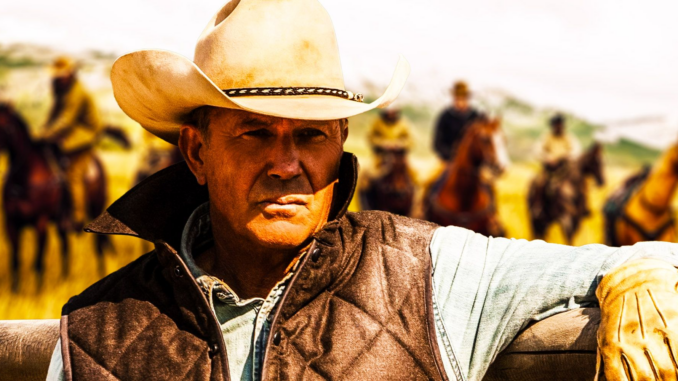
Every empire has a shadow. In Yellowstone, that shadow has a name—and people learn it too late.
Rip Wheeler, portrayed by Cole Hauser, is not a man chasing power. He is the reason power survives. No speeches. No warnings. No second chances.
When problems appear, others negotiate. Rip eliminates.
What makes him terrifying is not brutality—it is control.
He does not explode. He does not lose himself in anger. He operates with a chilling precision that turns violence into routine. Every move is clean. Every action final. There is no chaos in what he does—only decisions that have already been made long before anyone realizes it.
In a world full of shifting alliances and hidden agendas, Rip is the constant.
Loyalty is not a choice for him—it is identity. The Dutton family is not just who he works for; it is the only thing that defines him. And that loyalty comes with a cost he never questions.
Morality does not guide him. Orders do.
That is what makes him dangerous.
Because a man without hesitation is far more frightening than a man without limits.
And yet, beneath that controlled violence, there is something unexpected. 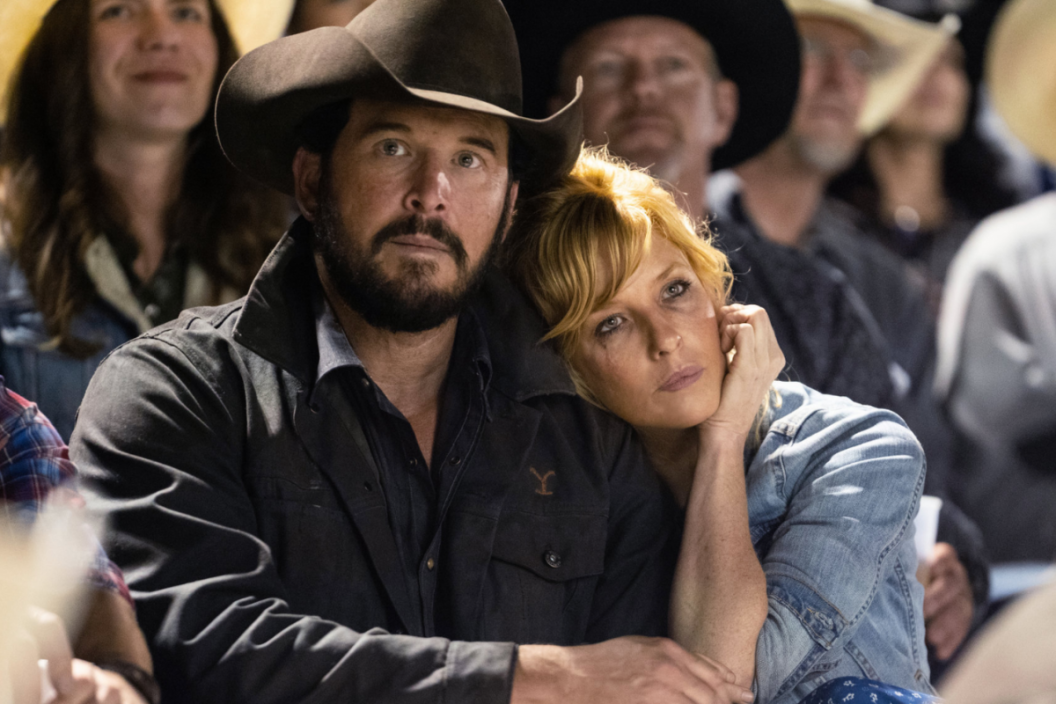
With Beth Dutton, Rip becomes someone else. The silence softens. The brutality fades, if only for a moment. What emerges is not weakness, but something far more rare in his world—connection.
It is in these moments that the contradiction becomes clear.
The same man who can erase a threat without blinking
is also capable of loving with absolute intensity.
But even that love is shaped by the same truth that defines everything he is:
He was built for survival, not peace.
And in Yellowstone, survival does not reward mercy—
it rewards men like Rip Wheeler.