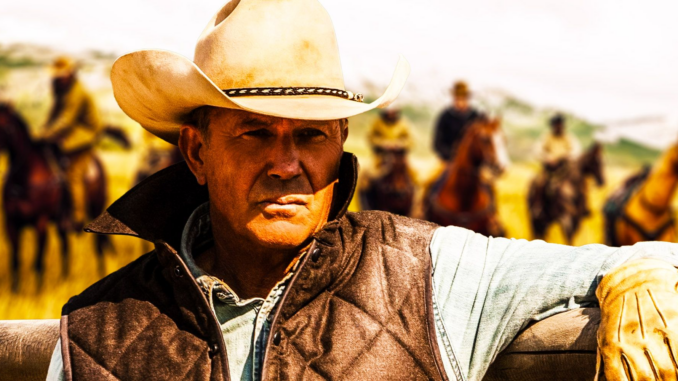
There are no heroes in Yellowstone. And that is exactly why it hits harder than anything else on television.
From the very first episode, the series dismantles the idea of good versus evil. Every character exists in a gray zone—making choices that feel justified in the moment, yet devastating in their consequences. No one is clean. No one is safe.
The Dutton family fight to protect what is theirs, but their methods blur the line between defense and domination. They speak of legacy, of blood, of land—but behind those words are decisions that cost lives, destroy trust, and leave scars that never heal.
On the other side, their enemies are no different.
Developers promise progress, but erase entire ways of life to achieve it. Politicians claim to serve the people, yet operate through manipulation and hidden deals. Every side believes they are right. Every side is willing to go further than they should.
And that is where Yellowstone becomes dangerous.
Because it refuses to tell the audience who to root for.
Instead, it forces a far more uncomfortable realization:
Power does not belong to the righteous.
It belongs to those who are willing to do what others won’t. 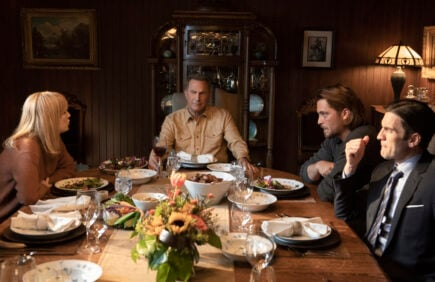
Morality becomes flexible. Loyalty becomes conditional. And survival becomes the only rule that truly matters.
In this world, hesitation is weakness.
Compassion is a risk.
And mercy can be fatal.
That is why the series feels less like fiction and more like a reflection. Strip away the ranches and the landscapes, and what remains is something universal—a system where influence outweighs integrity, and control is everything.
By the end, Yellowstone does not offer closure or justice.
It offers recognition.
A quiet, unsettling understanding that the world it portrays is not distant or exaggerated—
but uncomfortably close to reality.