
For decades, television sold audiences a comforting illusion: families were stable, problems were temporary, and love was always enough. Then Roseanne arrived—and dismantled that illusion with ruthless precision.
This was not escapism. It was exposure.
At the center of the storm stood Roseanne Barr, delivering a performance that rejected every conventional expectation of a sitcom lead. Her character did not strive to be admirable. She struggled to survive. And in doing so, she forced millions of viewers to confront a version of family life that felt uncomfortably familiar.
The Conner household was not broken, but it was far from ideal. Bills piled up. Tempers flared. Dreams were postponed indefinitely. The show did not rely on exaggerated drama—it drew its intensity from the ordinary. A lost job, a harsh argument, a moment of silence at the dinner table—these became the true turning points of the series.
What made Roseanne dangerous, in the context of its time, was its refusal to resolve tension neatly. Conflicts lingered. Emotional wounds were not always healed. The show understood something most sitcoms avoided: real life does not reset at the end of an episode.
Its portrayal of marriage was particularly striking. The relationship between Roseanne and Dan was not built on constant affection, but on endurance. Their bond was tested by financial pressure, miscommunication, and exhaustion. Yet it persisted—not because it was perfect, but because it was real. This complexity gave the series a weight that extended far beyond comedy.
Equally significant was the show’s exploration of generational conflict. The Conner children were not passive recipients of parental wisdom; they challenged authority, made mistakes, and navigated their own uncertainties. Their storylines reflected broader social anxieties, from identity struggles to the pressures of growing up in an unstable environment. 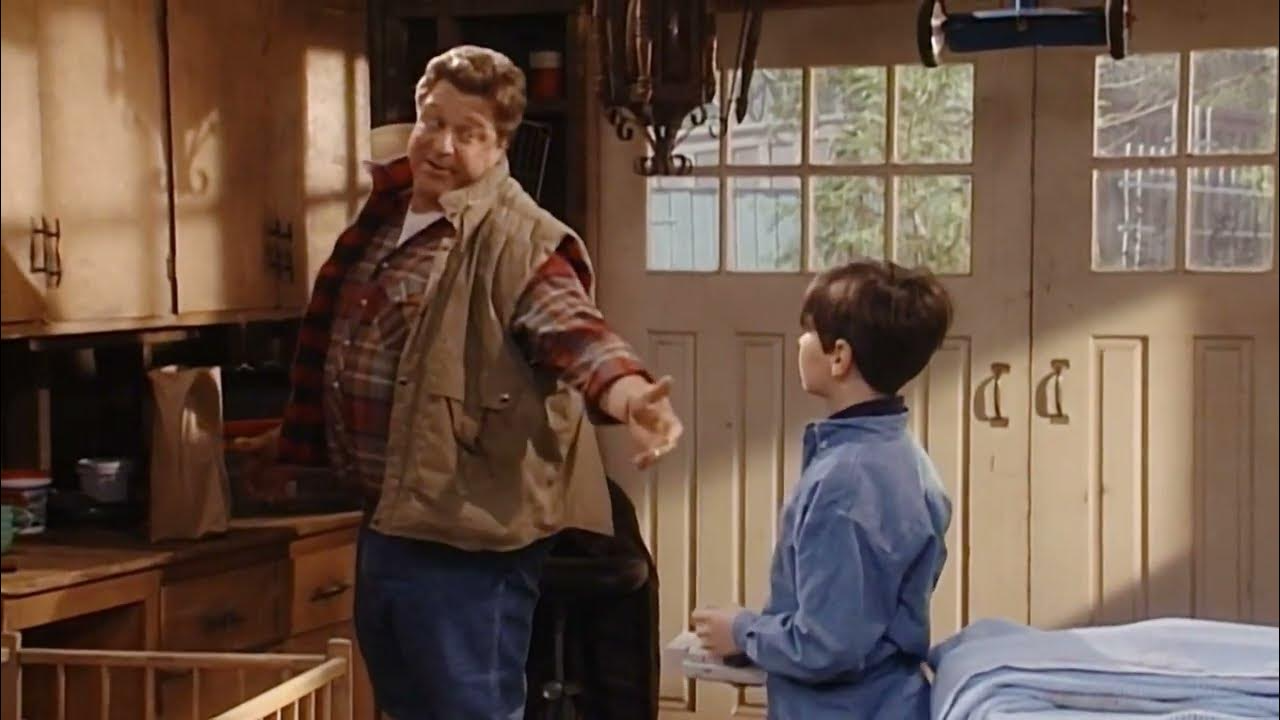
The writing never attempted to moralize. Instead, it presented situations with stark clarity and allowed discomfort to linger. Humor functioned as both a coping mechanism and a narrative tool, often revealing more than it concealed. Laughter, in Roseanne, was not an escape—it was a reaction to truth.
The result was a series that felt less like fiction and more like documentation. It captured a segment of society that had long been underrepresented and gave it a voice that was unapologetically direct. In doing so, it redefined what audiences could expect from television storytelling.
Even years after its original run, the impact of Roseanne remains evident. Its influence can be traced in countless shows that embrace flawed characters and unpolished realities. Yet few have matched its willingness to confront discomfort so directly.
Ultimately, Roseanne did not aim to be loved. It aimed to be honest. And in that honesty, it found a power that continues to resonate.