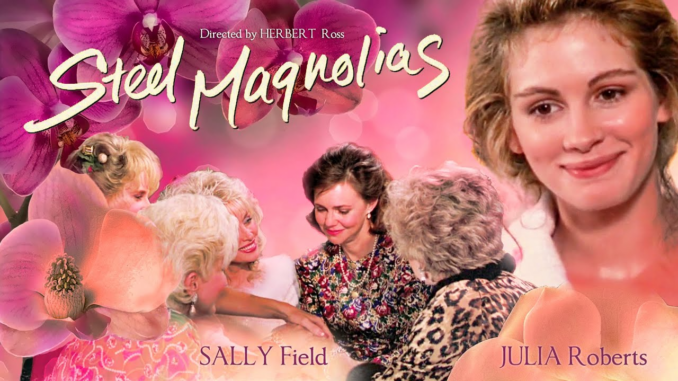
For many viewers, Steel Magnolias is remembered for its warmth, its humor, and its portrayal of unbreakable friendship. But beneath that memory lies a single decision—quiet, deeply personal, and profoundly controversial—that continues to unsettle audiences long after the credits roll.
At the center of the film is Shelby, a young woman fully aware of the risks her health condition imposes on her future. She is warned. She is advised. She is given a clear path toward safety. And yet, she chooses differently.
She chooses to have a child.
This decision is where Steel Magnolias shifts from a story of connection into something far more provocative. It stops being about what is safe, and starts asking a far more uncomfortable question: what is a life worth if it is lived in fear?
The film does not frame Shelby’s choice as reckless, nor does it fully present it as heroic. Instead, it allows the tension to exist. Her mother’s fear becomes the audience’s fear. Her determination becomes both admirable and unsettling. The result is a narrative that refuses to guide the viewer toward a single emotional conclusion.
This ambiguity is what gives the film its lasting power.
In many ways, Shelby’s choice represents a broader conflict between control and acceptance. The desire to protect life clashes with the desire to fully experience it. And in that space, Steel Magnolias finds its most emotionally charged material.
The aftermath of this decision is not immediate, but it is inevitable. As the story progresses, the tone begins to darken. Moments that once felt light are now edged with anticipation. Every smile carries the weight of what the audience already fears.
When the consequences finally surface, they do so without spectacle. There is no dramatic buildup designed to soften the blow. Instead, the film presents loss in a way that feels abrupt, almost unfair—mirroring the randomness of real life.
It is in these moments that the film’s true focus becomes clear. Steel Magnolias is not simply about one woman’s choice. It is about the people left to live with it.
The emotional core shifts toward those who remain, particularly the mother who must reconcile love with loss. Her grief is not quiet or restrained. It is raw, disorienting, and, at times, explosive. This portrayal breaks away from traditional depictions of mourning, offering something far less composed and far more human.
What makes these scenes so impactful is their refusal to provide comfort. There is no resolution that justifies the pain. No lesson that makes the loss feel necessary. The film resists the urge to turn tragedy into meaning. 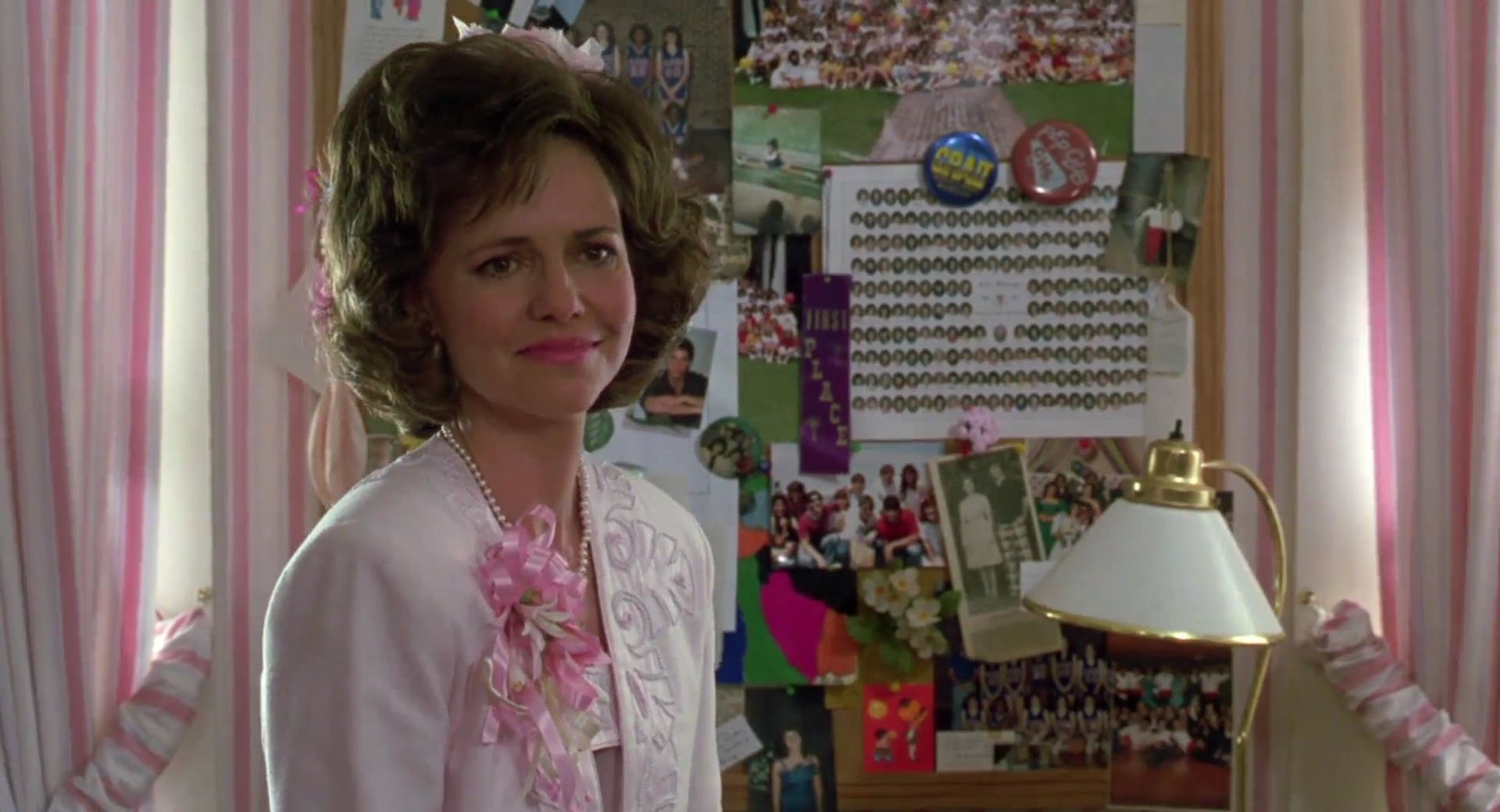
And yet, it does not end in despair.
Instead, it returns to the same foundation it began with: community. The women who surround Shelby’s family do not fix the situation, because it cannot be fixed. What they offer is something more subtle and, perhaps, more realistic—the ability to continue.
This is where Steel Magnolias reveals its quiet thesis. Strength is not found in avoiding pain, nor in overcoming it completely. It exists in the decision to keep going, even when nothing feels resolved.
Decades later, Shelby’s choice continues to divide audiences. Some see it as an act of courage, others as a tragic mistake. But the film itself never settles the debate. It leaves the question open, allowing each viewer to confront their own beliefs about risk, love, and the limits of control.
In doing so, Steel Magnolias becomes more than a story. It becomes a conversation—one that has yet to end.