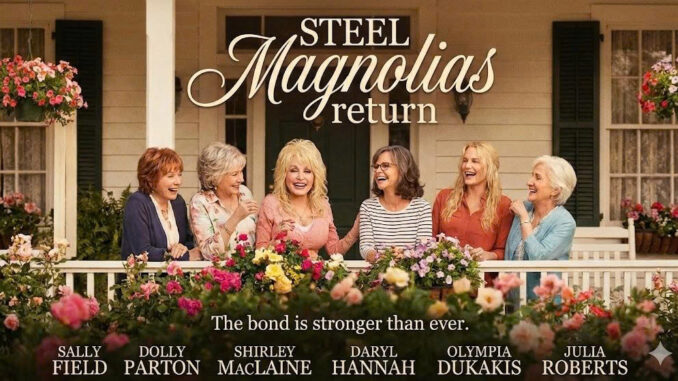
Some films make you cry.
Steel Magnolias does something far more unsettling.
It waits.
It lets you laugh. It lets you relax. It convinces you that what you are watching is safe—just a story about friendship, warmth, and small-town life. It builds comfort so carefully that you stop questioning it.
And then, without warning, it takes everything it gave you—and turns it against you.
This is not manipulation. It is precision.
At its core, Steel Magnolias is not about tragedy. It is about timing. The film understands exactly when the audience is most vulnerable—when the characters feel familiar, when the relationships feel real—and that is when it chooses to strike.
What follows is not just emotional. It is disorienting.
Because the pain in Steel Magnolias does not feel cinematic. It feels personal. The loss is not framed as extraordinary. It is sudden, quiet, and irreversible. There is no dramatic build designed to prepare you. No narrative cushion to soften the impact.
And that is exactly why it stays with you.
The film’s most devastating achievement is not a single scene, but a realization: everything that felt warm at the beginning was never protection. It was exposure. It made you care—deeply enough that when the loss arrives, it does not feel like fiction anymore.
It feels like something taken.
Performances across the cast elevate this effect, but it is the collective dynamic that truly defines the film. These women do not exist as isolated characters; they function as a shared emotional system. When one breaks, the impact spreads. Grief is not contained—it is transferred, echoed, and multiplied.
This is where Steel Magnolias separates itself from conventional drama. It does not isolate suffering. It shows how it moves through people, how it reshapes relationships, and how it lingers long after the moment has passed. 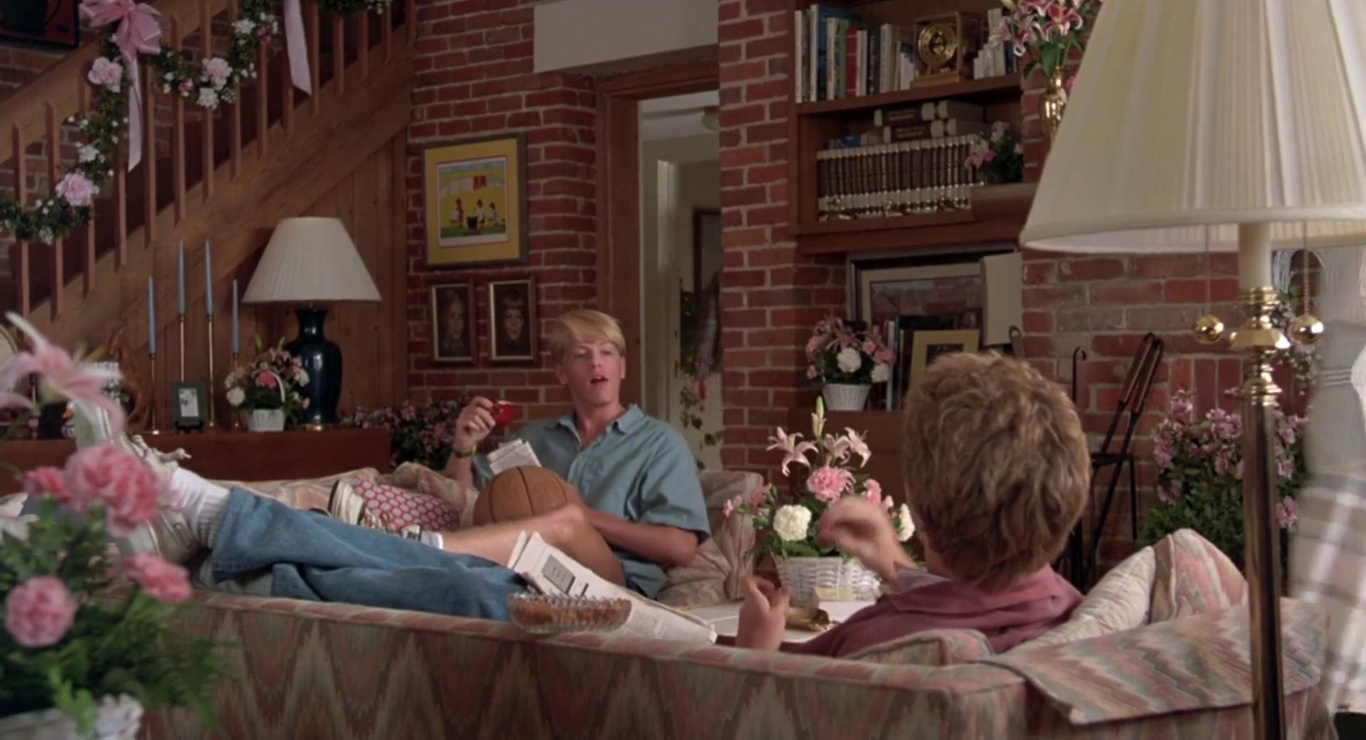
And yet, the film refuses to collapse under its own weight.
Instead, it does something even more difficult: it continues.
There is no grand resolution. No speech that restores meaning. No ending that justifies the pain. What remains is something quieter and far more honest—the reality that life does not pause for grief. It carries on, unevenly, imperfectly, and often without answers.
This is the film’s final statement, and it is delivered without emphasis: survival is not triumphant. It is necessary.
That is why Steel Magnolias continues to resonate across generations. Not because it is sad, but because it is accurate. It reflects a truth that many films avoid—that the deepest pain is not the moment of loss, but everything that comes after.
The silence.
The absence.
The continuation.
In the end, Steel Magnolias does not aim to comfort its audience. It leaves them with something far more powerful: recognition. A quiet understanding that strength is not about holding everything together.
Sometimes, it is about accepting that something has been broken—and choosing to live anyway.