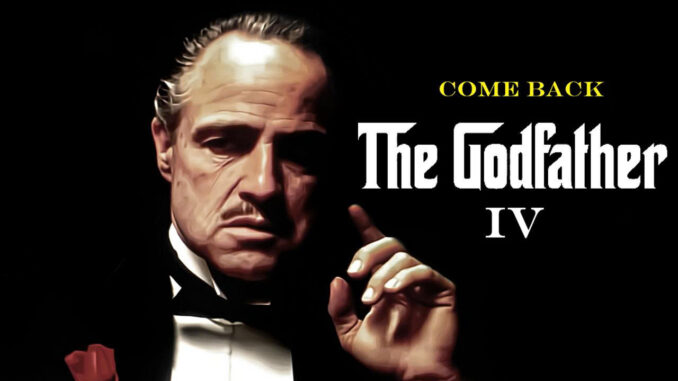
There are films that define a genre.
And then there is The Godfather—a film so powerful, so disturbingly precise, that even decades later, people still ask the same question:
Was it really just a movie?
Released in 1972, directed by Francis Ford Coppola and starring Marlon Brando and Al Pacino, The Godfather did more than tell a story about mafia families. It rewrote the rules of cinema—and, according to many, blurred the line between fiction and reality.
The Film That Felt Too Real
On paper, the story is simple: an aging mafia boss transfers power to his reluctant son.
But what unfolds is something far darker.
Michael Corleone does not rise—he transforms. Slowly, quietly, and almost invisibly, he becomes the very thing he once rejected. And that transformation is what makes the film so unsettling.
Because it does not feel exaggerated.
It feels inevitable.
Critics and audiences alike have long considered the film one of the greatest ever made, praised for its realism, performances, and psychological depth . But the real reason it endures goes deeper than cinematic excellence.
It feels like truth disguised as storytelling.
The Rumors That Made It Even More Dangerous
Over the years, The Godfather has been surrounded by whispers—stories that only add to its myth.
Real-life mafia figures reportedly didn’t just watch the film—they studied it.
According to later reports, some crime groups even treated the movie as a kind of “manual,” using it to shape behavior and reinforce codes of conduct. In fact, there are accounts suggesting that mafia members admired how accurately it reflected their world, with some even changing how they spoke after watching it .
And in one of the most shocking modern claims, reports in 2025 suggested that new mafia recruits in Italy were required to watch The Godfather to understand “honor” and structure within the organization .
If true, that means this was never just entertainment.
It was influence.
The Viral Lie That Fooled Millions
In the age of social media, The Godfather continues to generate chaos.
A viral rumor once claimed the film would be remade with a new cast and released in 2025—sparking massive excitement online. The idea spread like wildfire, tapping into nostalgia and curiosity.
But it wasn’t real.
The remake rumor was later confirmed to be satire, proving something even more important:
People are still desperate to return to this world .
Even fake news about The Godfather goes viral. 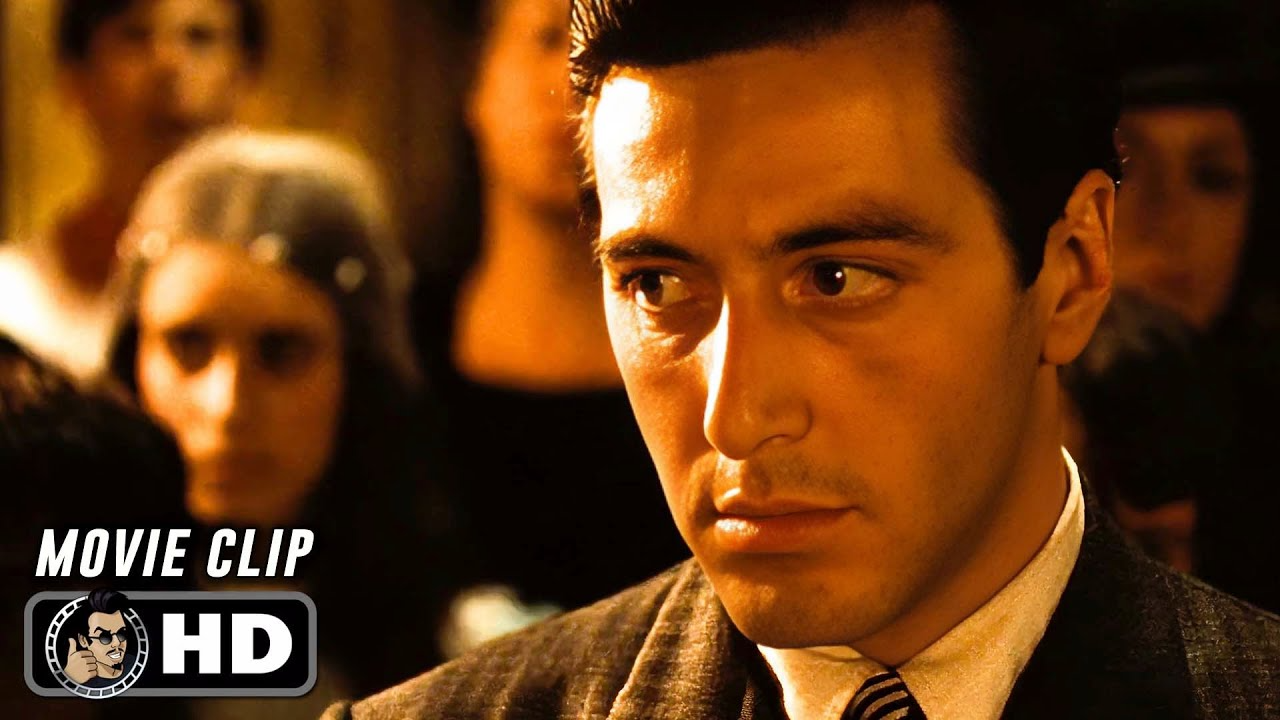
Why This Film Still Dominates in 2026
More than 50 years later, The Godfather is not fading—it is evolving.
- It has been re-released in modern formats, continuing to draw audiences
- It remains a blueprint for crime storytelling across films and series
- Its influence can be seen in everything from The Sopranos to modern gangster cinema
And perhaps most importantly, new generations are watching it differently.
Some see it as a story about power.
Others see it as a tragedy.
And many now see it as something far more disturbing:
A slow, quiet descent into moral collapse.
The Truth No One Wants to Admit
Here is the uncomfortable reality:
The Godfather does not glorify crime.
It normalizes it.
It shows how easily power can be justified.
How loyalty can become control.
How a “good man” can become something unrecognizable—without ever realizing it.
And that is why it stays with you.
Because the scariest part of The Godfather is not the violence.
It is how reasonable everything begins to feel.