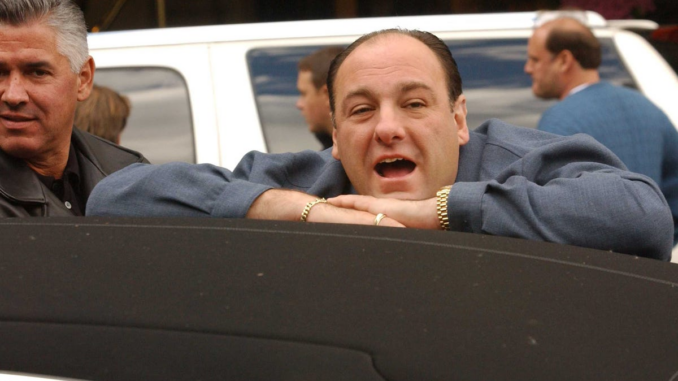
James Gandolfini and the Burden of Tony Soprano: The Role He Could Never Escape
Introduction
James Gandolfini’s portrayal of Tony Soprano is widely regarded as one of the greatest performances in television history. As the conflicted mob boss at the center of HBO’s The Sopranos, Gandolfini redefined what a leading man could be—violent yet vulnerable, ruthless yet deeply human.
But behind the acclaim and awards lay a more complicated truth: the role that made him a legend was also one he struggled to live with.
The Making of an Anti-Hero Icon
When The Sopranos premiered in 1999, it changed television forever. Tony Soprano wasn’t a traditional hero—he was a criminal, a liar, and at times, a deeply unlikeable man. Yet Gandolfini brought a level of emotional depth that made audiences empathize with him.
His performance blurred the line between good and evil, paving the way for future anti-heroes like Walter White (Breaking Bad) and Don Draper (Mad Men).
A Role That Demanded Everything
Portraying Tony Soprano required more than acting—it demanded emotional immersion. Gandolfini was known for his intense method approach, often pushing himself to extremes to deliver authenticity.
- He reportedly stayed in character between takes
- He channeled personal emotions into Tony’s rage and vulnerability
- He carried the psychological weight of the character off-screen
Over time, this level of commitment took a toll.
The Emotional and Mental Strain
Gandolfini’s connection to Tony Soprano was both his greatest strength and his biggest challenge. The character’s darkness—his violence, depression, and moral conflict—was not easy to leave behind at the end of the day.
Reports from the set suggested that Gandolfini occasionally struggled with the pressure, even missing filming at times due to stress and exhaustion.
The line between actor and character began to blur, making the role increasingly difficult to sustain.
Fame, Pressure, and Expectation
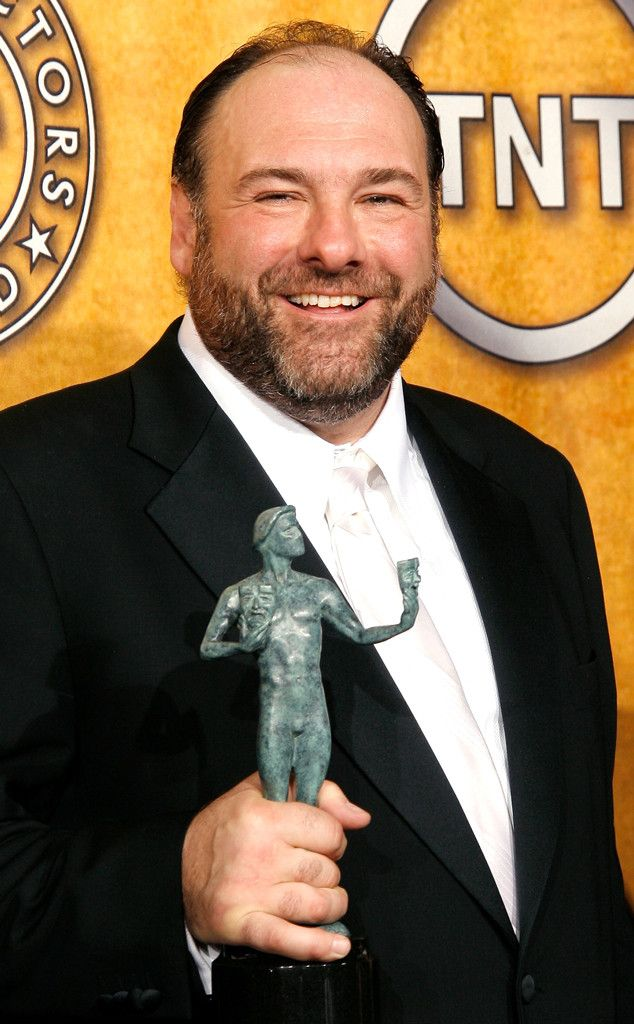
As The Sopranos grew into a cultural phenomenon, so did expectations surrounding Gandolfini’s performance. He became the face of prestige television, and with that came immense pressure to maintain perfection season after season.
- Multiple Emmy wins and nominations
- Global recognition and critical acclaim
- The responsibility of carrying a groundbreaking series
Success, in this case, only intensified the burden.
Loving the Craft, Struggling with the Role
Despite his dedication, Gandolfini reportedly had a complicated relationship with Tony Soprano. He respected the character and the work—but did not always enjoy inhabiting such a dark and morally complex figure.
It wasn’t hatred in a simple sense. Rather, it was the emotional cost of repeatedly stepping into Tony’s world—a world filled with violence, anxiety, and inner conflict.
Legacy: A Performance That Changed Television
James Gandolfini passed away in 2013, but his legacy endures. Tony Soprano remains one of the most influential characters ever created, and The Sopranos is still considered a cornerstone of modern television.
His performance helped usher in a new era of storytelling—one where flawed, deeply human characters could lead entire narratives.
Conclusion
James Gandolfini’s story is a powerful reminder that greatness often comes at a cost.
Tony Soprano made him an icon—but it also demanded more from him than most roles ever could. In the end, Gandolfini didn’t just play Tony Soprano—he carried him.
And that may be why the performance still feels so real today.