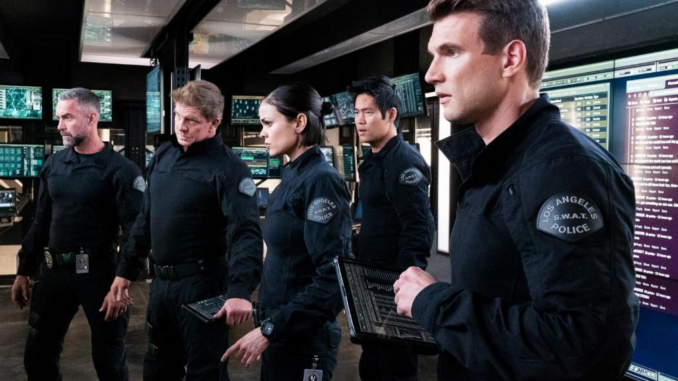
Interesting Facts About the Modern S.W.A.T Cast (Shemar Moore) That Many Fans Don’t Know
Introduction: It’s Not Just Action—It’s Real Commitment
If you’ve watched S.W.A.T (2017), you already know the energy is intense. Explosions, tactical missions, emotional moments—it hits fast and hard. But what most fans don’t realize is this: the cast puts in just as much work off-screen as they do on-screen.
And honestly? Some of the behind-the-scenes facts are even more interesting than the show itself. Once you know them, you’ll start seeing the series in a completely different way.
Shemar Moore Doesn’t Just Play Hondo—He Leads Like One
Shemar Moore isn’t the kind of actor who just shows up, reads lines, and goes home. He brings real leadership energy to the set.
He motivates the cast, keeps morale high, and treats the team like a real unit. That’s a big reason why the show feels so authentic—because the leadership you see on screen actually exists behind the camera too.
And here’s the deeper layer: Moore has said multiple times that Hondo represents something bigger than just a character. It’s about responsibility, community, and standing for something. That mindset shapes how he plays the role.
The Cast Trains Like Real Tactical Units
This isn’t one of those shows where actors just “pretend” to be law enforcement. The cast goes through real training to get their movements right.
They learn how to:
- Handle weapons safely and realistically
- Move as a coordinated unit
- React under pressure
That’s why the action scenes feel sharp and believable. When you watch them stack up before entering a building or clear a room, it doesn’t look staged—it looks trained.
Alex Russell (Street) Had to Fight Hard for His Role
Landing the role of Street wasn’t easy. Alex Russell went through multiple auditions and heavy competition before securing the part.
And it makes sense—Street is one of the most complex characters in the show. He’s emotional, impulsive, and constantly evolving. That kind of role requires more than just acting skills—it requires depth.
In a way, the struggle to get the role mirrors the character himself. Street isn’t perfect, and neither was the journey to becoming him.
Jay Harrington (Deacon) Brings Real-Life Balance to the Team
Deacon is the steady one. The guy who keeps everything grounded when things get chaotic.
What’s interesting is that Jay Harrington naturally brings that same energy in real life. He’s often described as the calm presence on set—the one who keeps things from going off the rails.
Every team needs someone like that. And in S.W.A.T, Deacon isn’t just a character—he’s the emotional anchor.
Lina Esco (Chris) Pushed Herself Physically and Mentally
Lina Esco didn’t take the easy route with her role. She trained hard and even performed many of her own stunts.
But it wasn’t just about action. Her character also dealt with serious topics like gender roles and identity, which added another layer of pressure.
She didn’t just want to be part of the team—she wanted to prove she belonged there. And that drive shows in every scene.
The Cast’s Chemistry Is 100% Real
Some shows try to fake chemistry. This one doesn’t have to.
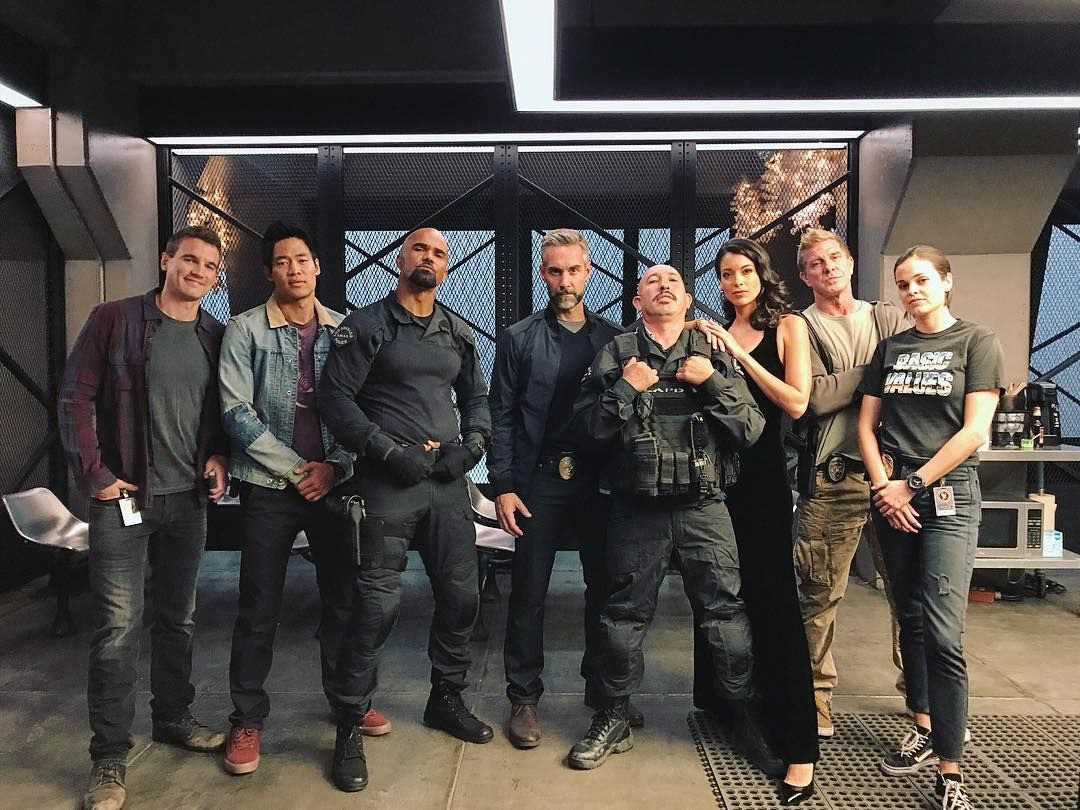
The cast actually gets along. They joke around, support each other, and spend time together outside of filming.
That’s why the team feels believable. You’re not watching actors pretending to trust each other—you’re watching people who already do.
Filming S.W.A.T Is Physically Draining
Those action scenes? They’re not easy.
Long hours, heavy gear, intense movement—it takes a toll. The cast often spends entire days filming a single sequence that lasts only a few minutes on screen.
It’s exhausting. But that exhaustion adds realism. When they look tired, it’s not acting—it’s real.
Shemar Moore Brings His Personality Into Every Scene
One thing fans love about Hondo is his charisma. That natural confidence, that presence—it doesn’t feel forced.
That’s because it isn’t. Moore brings a lot of himself into the role. The humor, the intensity, the passion—it’s all real.
That’s what makes Hondo stand out. He doesn’t feel like a character. He feels like a person.
The Show Balances Action With Real-World Issues
S.W.A.T isn’t just about missions. It also touches on real social issues—race, community tension, trust in law enforcement.
And that’s not by accident. The cast takes those storylines seriously. They understand the impact and approach them with care.
It adds weight to the show. Suddenly, it’s not just entertainment—it’s conversation.
Not Every Scene Goes as Planned—and That’s a Good Thing
Sometimes, the best moments come from things going wrong.
A missed line, a delayed reaction, an unexpected movement—these moments can actually make scenes feel more natural.
Instead of cutting everything, the team sometimes keeps those imperfections. And honestly, it makes the show better.
The Team Dynamic Reflects Real-Life Brotherhood
At its core, S.W.A.T is about trust.
You see it in how they move, how they communicate, how they protect each other. That dynamic doesn’t happen by accident. It’s built over time.
And once it’s there, it shows in every single scene.
Fans Feel Connected Because the Cast Feels Real
There’s a reason S.W.A.T has such a loyal fanbase.
It’s not just the action. It’s the people. The flaws, the growth, the relationships—it all feels real.
And when something feels real, people connect to it.
The Show’s Success Comes From More Than Just the Script
A good script helps. But it’s not everything.
The energy, the commitment, the chemistry—that’s what turns a good show into a great one.
And that’s exactly what this cast brings.
Conclusion: More Than a Cast—It’s a Real Team
At the end of the day, the S.W.A.T cast isn’t just a group of actors playing roles. They function like a real team. They train together, support each other, and push each other to be better.
And maybe that’s the secret.
Because when something feels real, people believe it. And when people believe it, they keep coming back for more.
FAQs
Is Shemar Moore a real SWAT officer?
No, but he has trained extensively to make his performance as realistic as possible.
Do the actors perform their own stunts?
Some of them do, especially in less dangerous scenes, but professional stunt teams are still involved.
Is the cast close in real life?
Yes, they have strong off-screen relationships, which helps their on-screen chemistry.
How realistic is S.W.A.T compared to real life?
While dramatized, the show incorporates real tactics and training to maintain authenticity.
Why is Hondo such a popular character?
Because he combines leadership, emotion, and realism in a way that feels genuine to viewers.