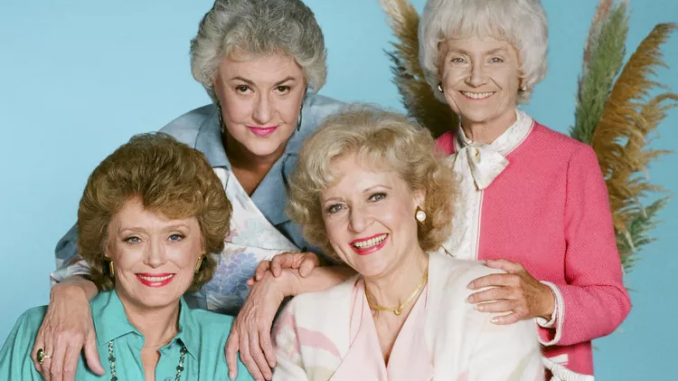
Why The Golden Girls Still Matters After 40 Years
Four decades after its debut, The Golden Girls hasn’t just survived—it has thrived. While most sitcoms fade into nostalgia, this one keeps finding new audiences.
Why? Because it doesn’t feel like a relic. It feels like a conversation you could still have today.
Friendship, aging, independence—these themes don’t expire.
The Legendary Cast That Made It Work
Four Women, Four Completely Different Energies
The show’s magic starts here:
- Betty White
- Bea Arthur
- Rue McClanahan
- Estelle Getty
Each one brought a unique rhythm. Put them together, and it felt less like acting… more like real life unfolding.
Secret #1: The Casting Swap That Changed Everything
Betty White Was Almost Blanche
This is the twist that still shocks fans.
Betty White was originally set to play Blanche, while Rue McClanahan would have been Rose.
Why the Producers Switched Roles
They wanted to avoid typecasting. Instead of repeating what audiences expected, they flipped it.
And that decision? It made both characters iconic.
Secret #2: On-Screen Chemistry vs Real-Life Dynamics
Not Quite Best Friends Behind the Camera
The warmth you see on screen was real—but not perfect.
Bea Arthur preferred a quieter, more serious environment. Betty White was energetic and playful.
Why That Actually Helped the Show
That contrast added tension in the best way—like seasoning in a dish. Subtle, but essential.
Secret #3: The Age Illusion That Fooled Everyone
Sophia Was Younger Than Dorothy in Real Life
Yes, really.
Estelle Getty (Sophia) was younger than Bea Arthur (Dorothy).
How They Made It Believable
- Makeup and styling
- Body language
- Sharp comedic timing
It’s one of TV’s best illusions—and most people never notice.
Secret #4: The Show Was Fearlessly Ahead of Its Time
Topics Most Sitcoms Avoided
While others played it safe, this show tackled:
Bold Themes That Made an Impact
- LGBTQ+ identity
- Aging and loneliness
- Serious illnesses
- Social taboos
It didn’t just entertain—it opened doors for conversations.
Secret #5: The Theme Song Wasn’t Made for the Show
A Perfect Match That Happened by Chance
“Thank You for Being a Friend” was originally performed by Andrew Gold before the show even existed.
Why It Became Iconic
Because it perfectly reflects the heart of the series—loyalty, connection, and chosen family.
Secret #6: Bea Arthur Almost Walked Away
A Role She Nearly Rejected
Before signing on, Bea Arthur wasn’t convinced.
What Changed Her Mind
The writing stood out—sharp, bold, and different from anything else on TV at the time.
Secret #7: The House Was Designed to Feel Alive
More Than Just a Set
That cozy Miami house wasn’t random.
Why It Worked So Well
- Warm lighting created comfort
- Open spaces encouraged interaction
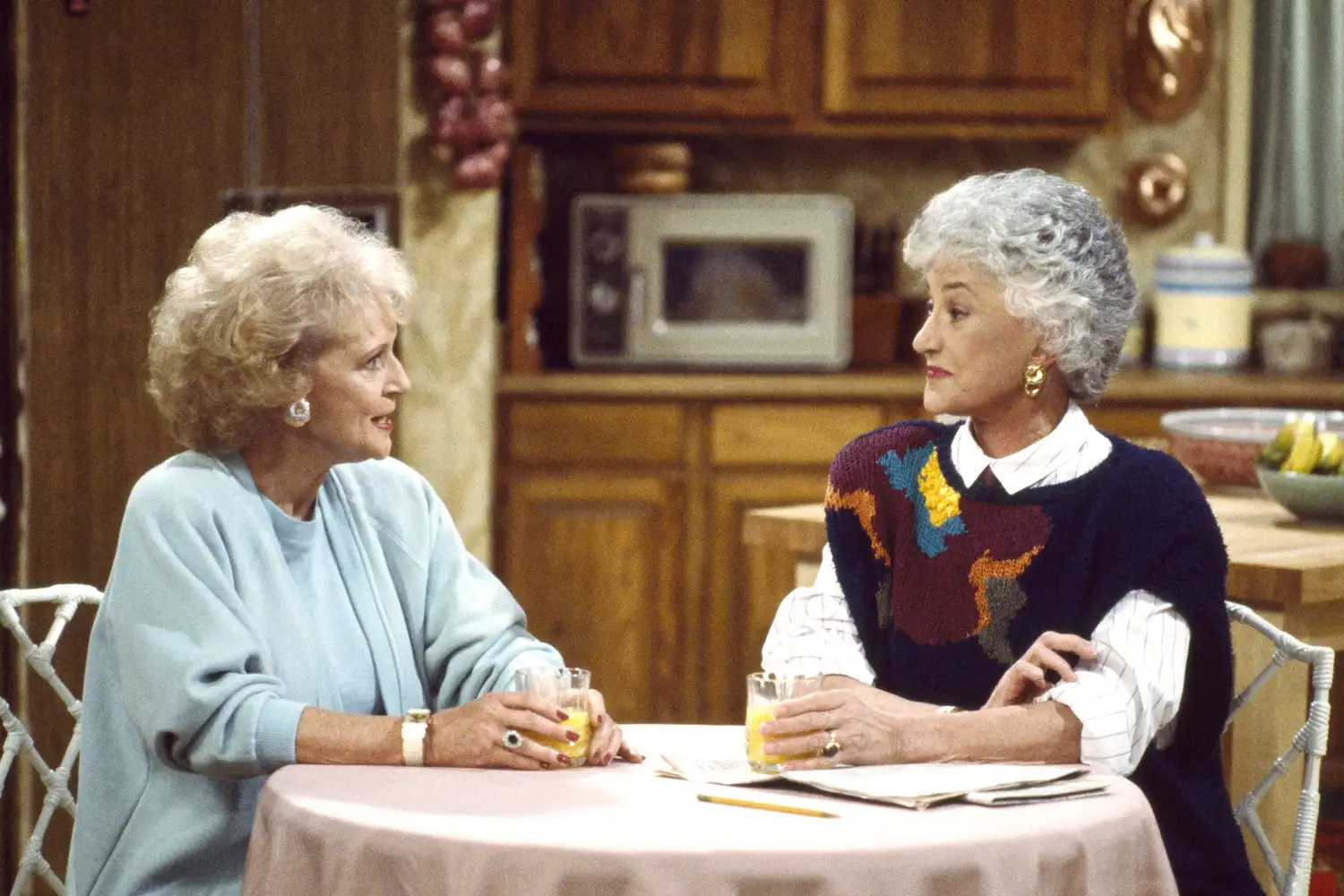
- The kitchen became the emotional center
It felt real—and that made everything hit harder.
Why The Golden Girls Still Works Today
Timeless Themes That Never Get Old
The show focuses on things that never go out of style:
- Friendship
- Starting over
- Finding joy later in life
A Blueprint for Modern TV
A lot of today’s shows still follow its formula—strong characters, bold storytelling, and emotional depth.
Conclusion: Still Golden After All These Years
Even after 40 years, The Golden Girls remains one of the rare shows that feels both nostalgic and current at the same time.
The behind-the-scenes stories only make it better. The risks, the personalities, the bold choices—it all came together to create something timeless.
And honestly? That kind of magic doesn’t happen often.
FAQs
1. Why is The Golden Girls still popular?
Because it explores timeless human experiences with humor and honesty.
2. Did the cast get along in real life?
They respected each other professionally, though personalities sometimes clashed.
3. Was the show controversial?
Yes, especially for addressing topics rarely discussed in the 1980s.
4. What made the show unique?
Its focus on older women and bold storytelling set it apart.
5. Is it still worth watching today?
Absolutely—it feels surprisingly modern even now.