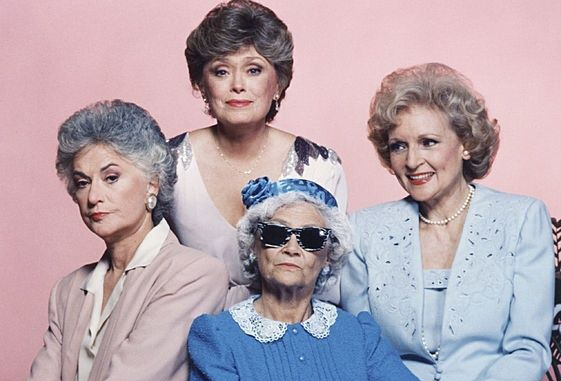
The Golden Girls: The Old Sitcom That Dared to Say What Society Avoided
A Show That Looked Gentle—but Hit Hard
At first glance, The Golden Girls feels light. Cozy. Safe.
Four older women sharing a house, joking over cheesecake in Miami—what could be controversial about that?
Everything, as it turns out.
Because beneath the humor, the show did something bold. It talked about the things most people preferred to ignore.
Why The Golden Girls Was Ahead of Its Time
Breaking the Rules Quietly
Back in the 1980s, television had limits. Certain topics stayed off-screen.
But The Golden Girls didn’t break those rules loudly—it slipped past them with humor.
Comedy as a Trojan Horse
Think of it like this: the jokes opened the door… and the truth walked right in behind them.
Before you realized it, you were laughing—and learning.
Four Women, Four Perspectives on Life
Voices That Represented Different Realities
The brilliance of the show came from its characters:
- Dorothy Zbornak – sharp, grounded, questioning everything
- Blanche Devereaux – bold, expressive, unapologetically sexual
- Rose Nylund – innocent, empathetic, quietly insightful
- Sophia Petrillo – fearless, brutally honest
Each one brought a different lens—and together, they covered the full spectrum of human experience.
Talking About Aging—Without Sugarcoating
The Topic Society Avoids
Aging is something everyone experiences… yet few want to discuss.
How the Show Faced It Head-On
The characters talked about:
- Feeling invisible
- Losing independence
- Facing mortality
And they did it openly.
No filters. No pretending.
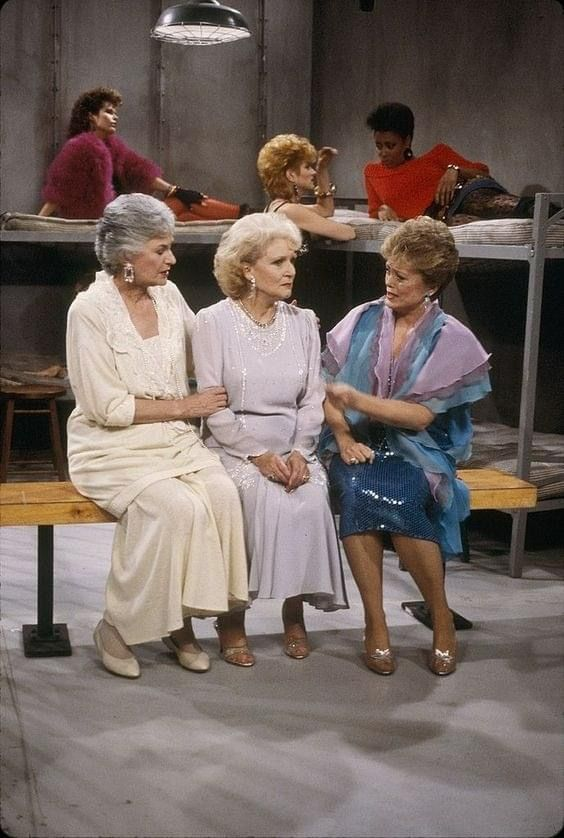
Sex and Desire Didn’t Disappear With Age
A Taboo Completely Ignored
Older women and sexuality? That was rarely portrayed on TV.
Blanche Changed the Narrative
Blanche wasn’t shy. She owned her desires, her choices, her identity.
And in doing so, the show challenged a major stereotype:
That desire has an expiration date.
Loneliness Wasn’t Hidden—It Was Shared
The Silent Struggle
Loneliness often stays unspoken, especially among older adults.
Turning Isolation Into Connection
The show didn’t pretend loneliness didn’t exist. Instead, it showed how friendship could fight it.
It was honest—but hopeful.
Serious Topics Wrapped in Humor
Illness, Grief, and Loss
Episodes tackled:
- Terminal illness
- The death of loved ones
- Health fears
Why Humor Made It Work
Without humor, these topics could feel overwhelming.
With humor, they became accessible.
Mental Health Before It Was Mainstream
Addressing Emotional Struggles
The show touched on depression, anxiety, and emotional burnout—long before these were widely discussed.
Normalizing the Conversation
By putting these issues on screen, it made them feel… normal.
And that matters.
Social Issues That Other Shows Avoided
Breaking Cultural Silence
The Golden Girls didn’t stop at personal struggles. It addressed:
- LGBTQ+ topics
- Gender roles
- Social inequality
Why This Was Revolutionary
At the time, these conversations were rare—especially in sitcoms.
Friendship as a Safe Space
Where Truth Could Be Spoken
The characters didn’t always agree. They argued. They challenged each other.
But they always came back to one thing—trust.
Why That Made the Conversations Work
Because honesty needs safety.
And their friendship provided that.
The Power of Saying the Uncomfortable
Why Avoidance Doesn’t Help
Society often avoids difficult topics because they’re uncomfortable.
How the Show Changed That
It proved that talking about them doesn’t weaken us—it strengthens us.
Why Audiences Connected So Deeply
Seeing Real Life Reflected
People saw their own fears, struggles, and questions on screen.
Feeling Less Alone
And that connection? It’s powerful.
The Balance Between Light and Heavy
Never Too Dark, Never Too Shallow
The show walked a fine line—serious, but never overwhelming.
Why That Balance Matters
It kept viewers engaged without pushing them away.
Legacy That Still Feels Relevant
Why It Still Works Today
Even decades later, the topics still resonate.
Because society still avoids many of the same conversations.
A Timeless Voice
The show didn’t belong to one era—it speaks across generations.
What Modern TV Can Learn
Don’t Be Afraid to Go Deeper
Audiences are ready for real conversations.
Use Humor With Purpose
Comedy isn’t just for laughs—it can carry meaning.
More Than Just a Sitcom
A Cultural Statement
The Golden Girls wasn’t just entertainment.
It was a quiet rebellion.
Changing the Narrative
It gave a voice to people and topics that were often ignored.
The Real Reason It Was So Bold
It Treated the Audience Like Adults
It didn’t simplify. It didn’t avoid.
It trusted viewers to handle real conversations.
And That Trust Paid Off
Because audiences responded.
Conclusion
The Golden Girls wasn’t just a sitcom—it was a conversation starter. By addressing topics society often avoids, it created a space where honesty and humor could coexist. It showed that difficult subjects don’t have to be hidden; they can be explored, understood, and even laughed about. Decades later, its courage still stands out. In a world that often chooses silence, The Golden Girls chose truth—and that’s exactly why it remains iconic.
FAQs
1. Why was The Golden Girls considered controversial?
Because it addressed topics like aging, sexuality, and social issues that were rarely discussed on TV at the time.
2. How did the show handle serious topics?
It used humor to make difficult conversations more accessible and relatable.
3. Did the show influence modern television?
Yes, it paved the way for more open and honest storytelling in sitcoms.
4. Why is the show still relevant today?
Because many of the issues it tackled are still relevant in society.
5. What made its approach unique?
Its ability to balance humor with honesty without trivializing serious topics.