Some films tell a story.
But The Godfather builds a world—one where loyalty is everything, and betrayal is paid in blood.
From the very first scene, the film pulls you into the shadowy empire of the Corleone family. This isn’t just crime—it’s a system. A code. A legacy passed down through generations.
At the center of it all is Michael Corleone, portrayed by Al Pacino—a man who begins as an outsider, someone who wants nothing to do with his family’s dark world. Calm, distant, almost innocent.
But power has a way of finding those who try to escape it.
As the story unfolds, Michael’s transformation becomes the film’s most haunting element. Step by step, choice by choice, he moves deeper into the life he once rejected—until there’s nothing left of who he used to be.
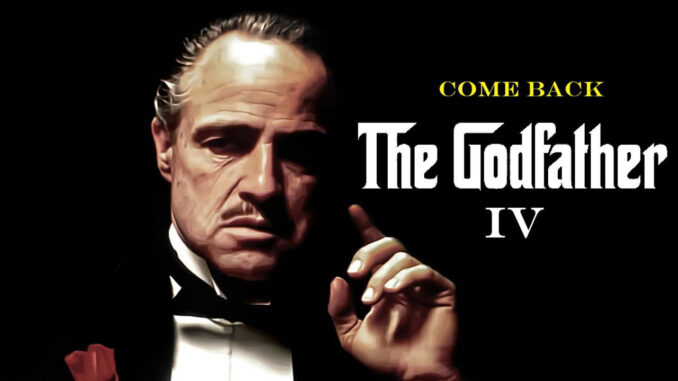
Opposite him stands Vito Corleone, played by Marlon Brando—a man who built an empire not just through fear, but through respect. A father, a leader, a symbol of control in a world built on chaos.
What makes The Godfather unforgettable is not just its violence—but its silence:
The quiet tension before a decision is made
The calm voice that carries deadly authority
The moments where a single look says more than words ever could
And then, there are the choices.
Because in this world, every decision comes with a cost: 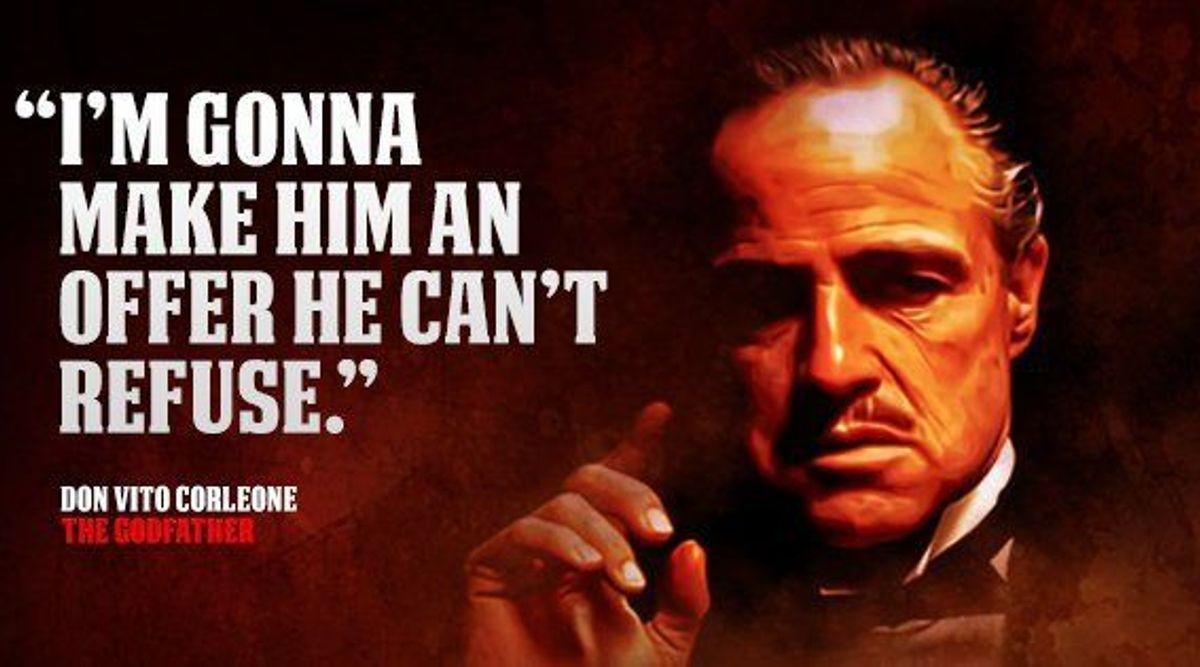
Family or power
Love or loyalty
Humanity or control
And once a choice is made… there is no going back.
That’s the tragedy at the heart of The Godfather.
It’s not about becoming powerful.
It’s about what you have to lose to get there.
And by the time you realize it…
it’s already too late.