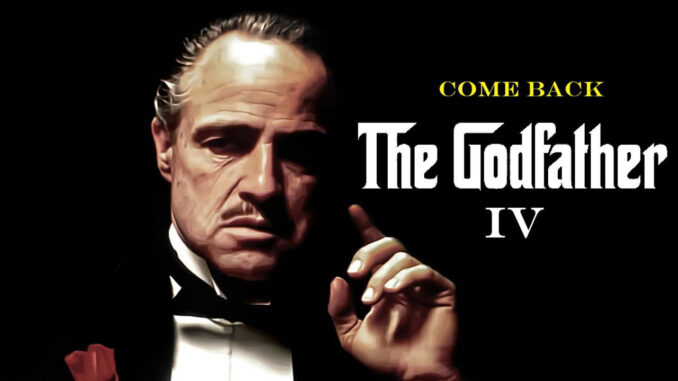
At the beginning of The Godfather, Michael Corleone is different.
He stands apart from his family’s world—clean, controlled, untouched. A war hero with a future that has nothing to do with crime, power, or violence. When he says, “That’s my family, not me,” you believe him.
And that’s what makes his fall so devastating.
Portrayed by Al Pacino, Michael doesn’t change overnight. There’s no single moment where he becomes someone else. Instead, it happens slowly—decision by decision, each one justified, each one necessary… until they’re not.
A father nearly killed.
A family under threat.
A line that must be crossed “just this once.”
But in the world of The Godfather, there is no “once.”
Every step forward pulls him deeper in. Every act of loyalty strips away another piece of his humanity. And by the time he realizes what he’s becoming, there’s nothing left to return to.
Vito Corleone, played by Marlon Brando, once ruled with a sense of balance—a man who understood both power and restraint. But Michael becomes something else entirely.
Colder.
Sharper.
Unforgiving.
What makes this transformation so chilling is how quiet it is:
No dramatic breakdown
No visible regret
Just a man becoming untouchable… and unreachable 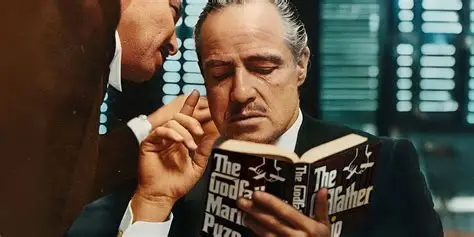
By the end, Michael doesn’t just take his father’s place.
He surpasses it.
And in doing so, he loses the very thing that once made him human.
That’s the true tragedy of The Godfather.
Not the violence.
Not the betrayal.
But the realization that the man who wanted nothing to do with this world…
becomes the one who controls it completely.