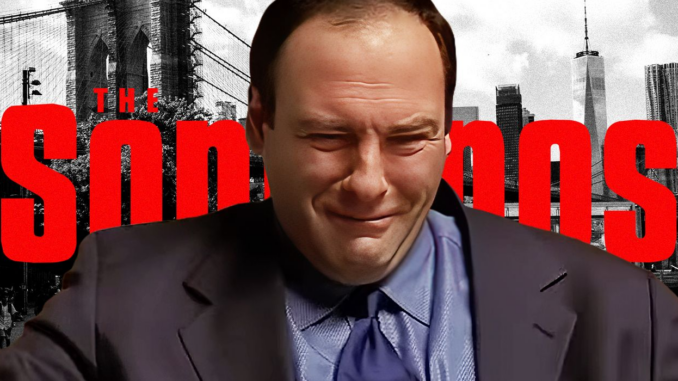
What 90% of Viewers Miss in The Sopranos
When people talk about The Sopranos, they usually focus on the obvious: mob drama, violence, betrayal, and the unforgettable presence of Tony Soprano, played by James Gandolfini. But here’s the truth—what you see is barely scratching the surface.
Underneath the crime and chaos lies a deeply layered psychological, philosophical, and symbolic masterpiece. And honestly? Most viewers miss it.
Let’s break down the hidden brilliance that turns The Sopranos from a great show into one of the most complex stories ever told.
The Show Is Not About the Mafia—It’s About Identity
At first glance, it’s easy to assume the show revolves around organized crime. But dig deeper, and you’ll realize something unsettling: the mafia is just the backdrop.
The real story? Identity.
Tony isn’t just a mob boss—he’s a man constantly at war with himself. He’s a father, a husband, a criminal, a patient. And he fails at balancing all of them.
It’s like watching someone juggle knives—eventually, something slips.
Therapy Scenes Are the Real Battleground
Tony’s sessions with Dr. Melfi aren’t filler—they’re the core of the show.
Every conversation peels back another layer of his psyche. But here’s what most viewers miss: Tony doesn’t go to therapy to change. He goes to justify himself.
He learns psychological language not to heal—but to manipulate.
That’s terrifying when you think about it.
Violence Is Often Meaningless—And That’s the Point
In most crime shows, violence is purposeful. In The Sopranos, it’s often random, awkward, even pointless.
Why?
Because the show mirrors real life. Violence doesn’t always come with meaning or closure. Sometimes it’s messy, unresolved, and emotionally hollow.
That discomfort you feel? It’s intentional.
Food Is a Hidden Symbol of Power and Control
Ever notice how often characters are eating?
Food in The Sopranos isn’t just background—it’s symbolic. Who cooks, who serves, who eats first—it all reflects power dynamics.
Tony devours food the same way he consumes control. Meals are where tensions simmer, alliances shift, and emotions boil over.
It’s dinner—but it’s also war.
Dream Sequences Reveal Tony’s True Self
Tony’s dreams are some of the most bizarre moments in the show. But they’re not random—they’re windows into his subconscious.
Think of them like encrypted messages.
They expose his guilt, fears, and desires in ways his waking self refuses to acknowledge. If you skip over them or dismiss them as “weird,” you’re missing half the story.
Silence Speaks Louder Than Dialogue
One of the most overlooked elements is silence.
There are moments where nothing is said—but everything is communicated. A glance. A pause. A shift in posture.
It’s like reading between the lines of a conversation that never happens.
And that’s where the real tension lives.
Tony Is Not Meant to Be Liked
Here’s a hard truth: Tony isn’t a hero.
Yes, he’s charismatic. Yes, he’s funny. But the show subtly dismantles any admiration you might have for him.
He lies. He cheats. He destroys lives—including his own family.
If you find yourself rooting for him, the show is quietly asking: Why?
Family Is Both Sanctuary and Prison
Tony constantly claims he does everything “for his family.”
But his family is also the source of his deepest pain.
His relationship with his mother, his wife Carmela, and his children reveals a brutal reality: family can nurture you—and suffocate you at the same time.
It’s love mixed with toxicity.
The American Dream Is a Lie
At its core, The Sopranos is a critique of the American Dream.
Tony has everything—money, power, respect. Yet he’s miserable.
The message is clear: success doesn’t equal happiness.
It’s like climbing a mountain only to realize there’s nothing at the top.
Every Character Is Morally Compromised
There are no clean hands in this story.
Even characters who seem “good” are flawed. Dr. Melfi enables Tony. Carmela benefits from his crimes. Friends betray each other.
The show forces you to confront an uncomfortable idea: morality isn’t black and white—it’s shades of gray.
The Humor Is Darker Than You Think
Yes, The Sopranos is funny—but it’s not light humor.
It’s dark, ironic, and often unsettling. You laugh—and then immediately question why.
That emotional whiplash? It’s deliberate.
Time Feels Real—Because It Is
Unlike typical TV shows, time in The Sopranos flows naturally.
Characters age. Relationships evolve. Consequences linger.
It doesn’t reset after each episode. Life keeps moving, whether the characters are ready or not.
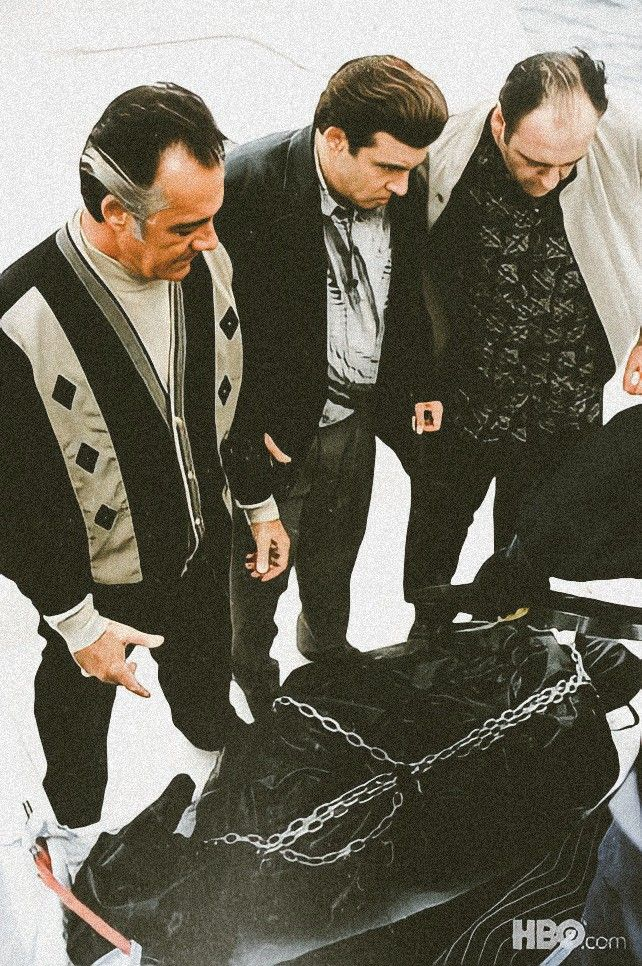
The Ending Isn’t a Trick—It’s a Statement
Let’s talk about that infamous ending.
No spoilers—but the ambiguity isn’t there to frustrate you. It’s there to make you feel what Tony feels: uncertainty.
Life doesn’t wrap up neatly. Neither does the show.
And that’s what makes it unforgettable.
You’re Complicit as a Viewer
Here’s the twist most people never consider:
By watching and enjoying the show, you become part of its moral universe.
You empathize with criminals. You justify their actions. You keep watching.
The show doesn’t just tell a story—it holds up a mirror.
Why Rewatching Changes Everything
The first time you watch The Sopranos, you follow the plot.
The second time? You notice the details.
The third time? You understand the themes.
It’s like rereading a novel and discovering hidden chapters you didn’t know existed.
The Genius Lies in What’s Not Said
Ultimately, what makes The Sopranos brilliant isn’t what it shows—it’s what it withholds.
It trusts the audience to connect the dots, to sit with discomfort, to question everything.
And that’s rare.
Conclusion: The Show You Think You Know… You Don’t
Most viewers watch The Sopranos for the drama. But the real magic lies beneath the surface.
It’s a story about identity, morality, family, and the illusion of control. It challenges you, unsettles you, and stays with you long after the screen goes black.
So if you think you’ve seen it all—watch again.
Because chances are, you’ve only seen 10%.
FAQs
1. Why do people say The Sopranos is hard to fully understand?
Because it relies heavily on subtext, symbolism, and character psychology rather than straightforward storytelling.
2. Is Tony Soprano based on a real person?
Not exactly, but he’s inspired by real mob figures and psychological case studies.
3. Why are the dream sequences so important?
They reveal Tony’s subconscious thoughts—things he refuses to confront in real life.
4. What makes the ending so controversial?
Its ambiguity. It doesn’t give closure, forcing viewers to interpret it themselves.
5. Is The Sopranos worth rewatching?
Absolutely. Each rewatch reveals new layers, details, and meanings you likely missed before.