
When people think of classic sitcoms, they often imagine light laughs, predictable jokes, and happy endings neatly wrapped in 30 minutes. But Roseanne shattered that illusion the moment it aired.
This wasn’t a show about perfect families living in perfect homes. It was about survival.
At the center of it all is Roseanne Conner, a sharp-tongued, unapologetically real mother who doesn’t sugarcoat life. Played by Roseanne Barr, her performance feels less like acting and more like reality unfolding in front of you. She argues, struggles financially, and faces the kind of problems most shows were too afraid to touch.
What makes Roseanne unforgettable is its raw honesty. The Conner family isn’t rich, they aren’t glamorous—and that’s exactly why audiences connected so deeply with them. Whether it’s job insecurity, parenting struggles, or marital tension, every episode feels like a page ripped from real life. 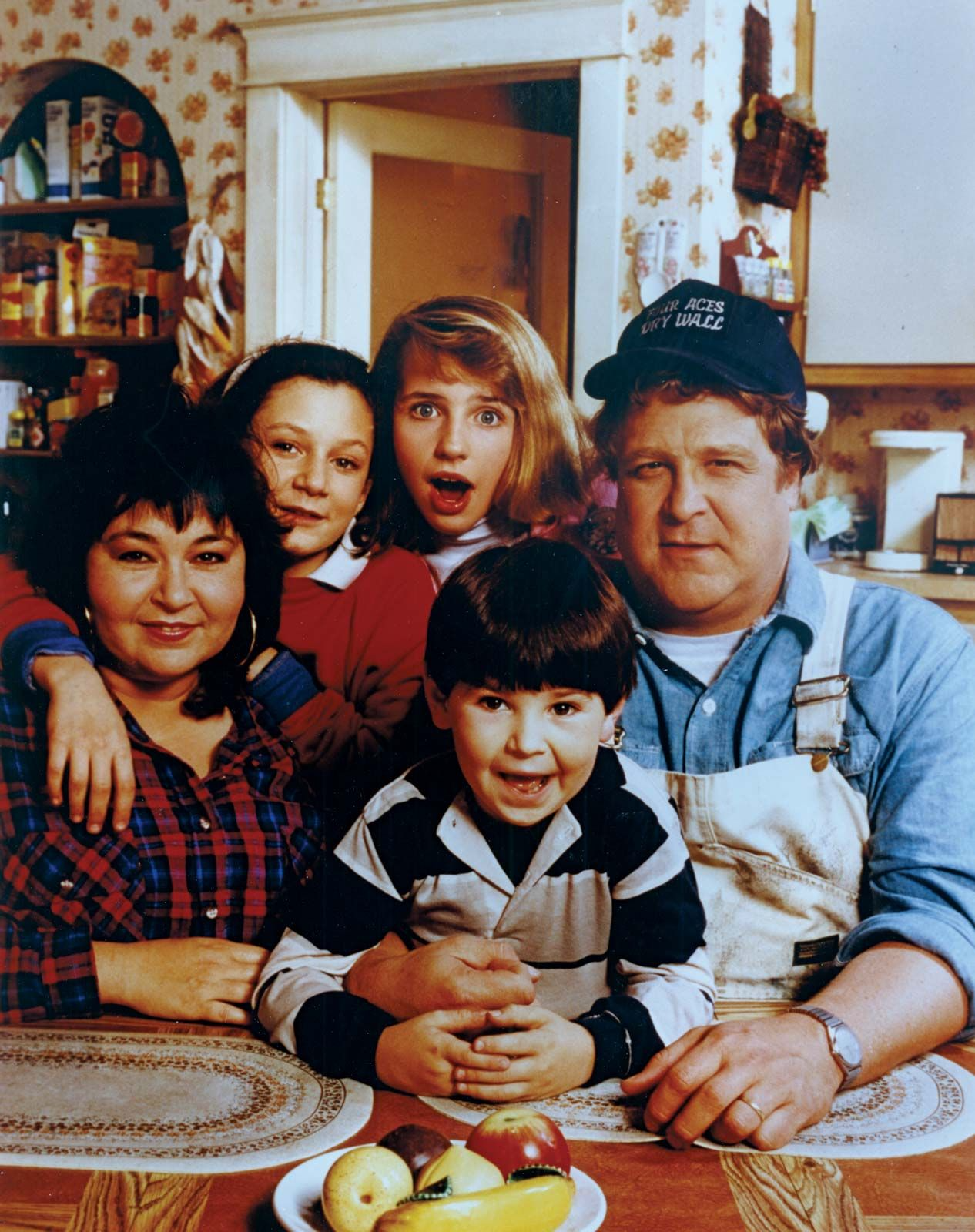
And then there’s Dan Conner, the loving but flawed husband portrayed by John Goodman. His chemistry with Roseanne creates moments that are both hilarious and heartbreakingly real. Their relationship isn’t perfect—it’s messy, loud, and sometimes painful—but it’s real in a way TV rarely dares to show.
But beneath the humor lies something deeper: Roseanne is a quiet rebellion against unrealistic portrayals of family life. It dares to ask uncomfortable questions—What does it mean to struggle and still keep going? How do families stay together when everything is falling apart?
This is not just entertainment.
This is truth—wrapped in laughter, pain, and resilience.
Because Roseanne doesn’t just make you laugh…
It makes you recognize yourself.