Looking Back at S.W.A.T. Season 1: The True Peak of Teamwork on Television
Why Season 1 Still Feels Special Today
Let’s get something straight—first seasons are usually about finding direction. Shows test ideas, characters feel unfinished, and chemistry takes time to build.
But S.W.A.T. Season 1? It didn’t stumble out of the gate. It sprinted.
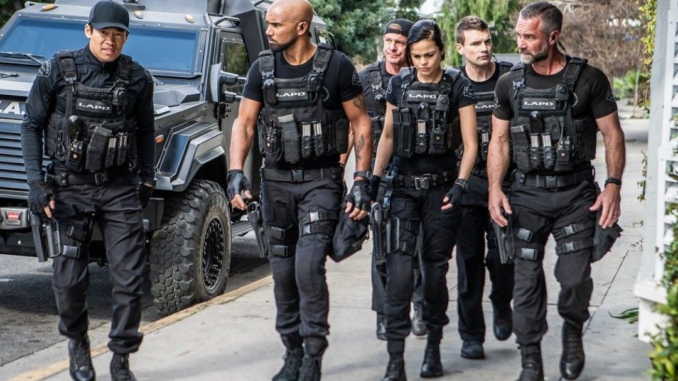
From the very first episode, the show delivered something that many series spend years trying to achieve: a believable, tight-knit team. Not just characters sharing screen time—but individuals moving like a unit.
And that’s why fans still look back at Season 1 as the peak of teamwork.
The Foundation: A Leader Who Felt Real
Hondo as the Emotional Anchor
At the center of it all is Daniel Harrelson, portrayed by Shemar Moore.
Hondo isn’t just a leader because he holds the title. He earns it.
He listens. He adapts. He carries the weight of every decision.
Leadership That Builds Trust
What makes Hondo stand out is his ability to connect with his team on a human level. He doesn’t command from above—he leads from within.
And that approach sets the tone for everything that follows.
The Team Dynamic That Made It Work
More Than Just Roles—They Felt Like People
Each member of the team had a clear role, but more importantly, they had a personality.
They argued. They joked. They disagreed.
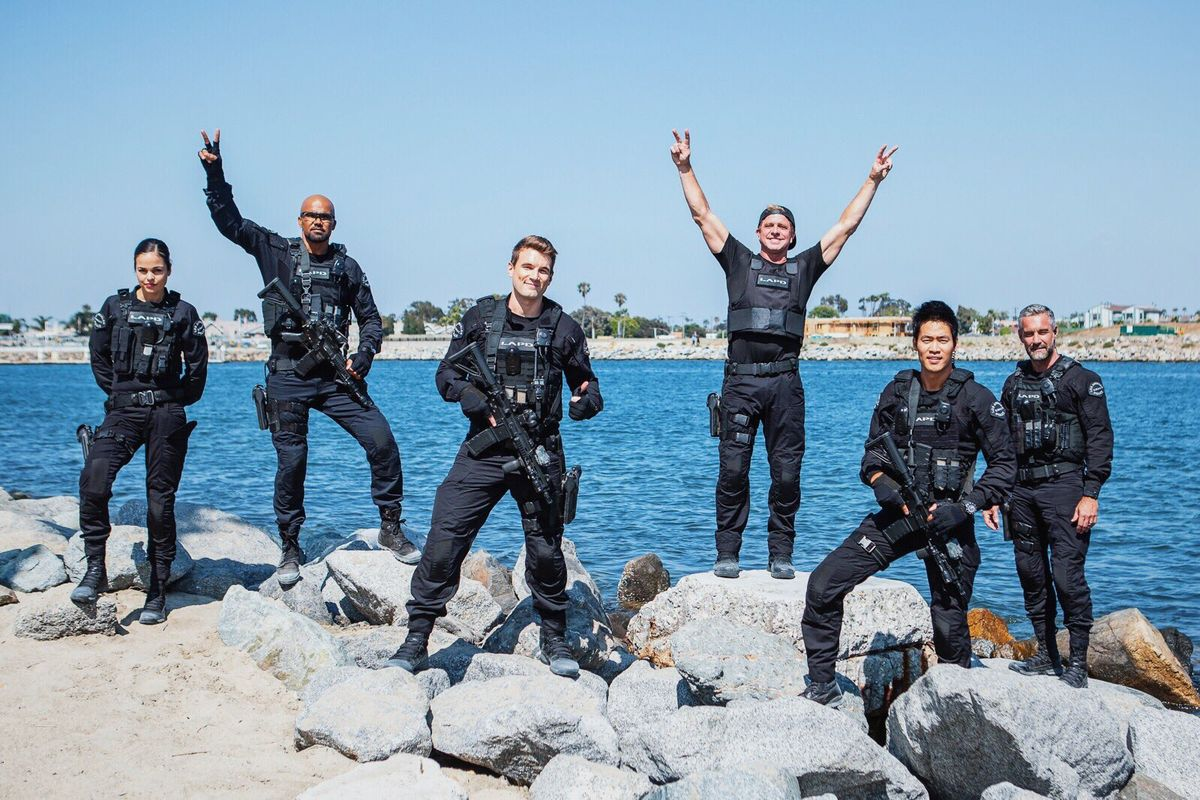
And through all of it, they functioned as one.
Why That Matters
Because real teams aren’t perfect. They’re messy.
Season 1 embraced that reality instead of avoiding it.
Chemistry You Could Feel Through the Screen
You know when something just clicks?
That’s what Season 1 felt like.
The interactions didn’t feel rehearsed. They felt natural—like these characters had known each other for years.
That kind of chemistry can’t be forced.
Action Meets Emotion
High-Stakes Missions With Personal Consequences
The action in S.W.A.T. Season 1 wasn’t just about explosions and chases.
Every mission had weight.
Decisions mattered. Mistakes had consequences.
Balancing Intensity With Humanity
Between the action, the show made time for quiet moments—conversations, doubts, personal struggles.
That balance made the teamwork feel grounded.
Conflict as a Strength, Not a Weakness
Internal Tension That Strengthened the Team
Season 1 didn’t shy away from conflict.
In fact, it leaned into it.
Different perspectives created friction—but that friction led to growth.
Why Conflict Matters in Teamwork
A team that never disagrees isn’t realistic.
Season 1 understood that disagreement can lead to better decisions—and stronger bonds.
The Importance of Trust
Trust Built Over Time, Not Assumed
Trust wasn’t handed out automatically.
It was earned—through actions, decisions, and shared experiences.
Moments That Defined Loyalty
Whether it was backing each other up in dangerous situations or standing by difficult choices, the team proved their loyalty repeatedly.
The Realism That Set Season 1 Apart
A Grounded Approach to Storytelling
While many action shows lean toward exaggeration, S.W.A.T. Season 1 stayed grounded.
It focused on procedure, teamwork, and the reality of high-pressure situations.
Why Realism Matters
Because it makes everything more believable.
And when something feels real, it hits harder.
Character Development That Served the Team
Individual Growth Within a Collective Story
Each character had their own arc—but those arcs always tied back to the team.
No one existed in isolation.
A Shared Journey
That interconnected development made the team feel cohesive.
Everyone was moving forward together.
The Role of Diversity in Strengthening the Team
Different Backgrounds, One Mission
The team wasn’t uniform—and that was its strength.
Different perspectives led to better decisions.
Representation That Felt Natural
Diversity wasn’t forced. It was integrated into the story in a way that felt authentic.
Why Later Seasons Feel Different
Change Is Inevitable
As the show progressed, characters evolved, storylines shifted, and dynamics changed.
That’s natural.
But Season 1 Had Something Unique
It had freshness.
A sense of discovery.
And a team dynamic that hadn’t yet been disrupted.
Fan Reactions: Why Season 1 Still Stands Out
A Common Sentiment Among Viewers
Ask longtime fans, and you’ll hear the same thing:
Season 1 just felt different.
The Emotional Connection
That early bond between characters created a lasting impression.
It’s the version of the team many fans still hold onto.
Lessons in Teamwork From Season 1
Communication Is Everything
The team succeeded because they talked, listened, and adapted.
Trust Takes Time
It wasn’t instant—but once built, it became unbreakable.
Leadership Matters
Hondo’s approach shaped the entire dynamic.
A Blueprint for Ensemble Storytelling
What Other Shows Can Learn
S.W.A.T. Season 1 serves as a reminder that strong ensemble casts require balance.
No single character should overshadow the group.
The Power of Unity
When characters work together authentically, the story becomes stronger.
Conclusion: The Season That Defined Teamwork
Looking back, S.W.A.T. Season 1 wasn’t just a starting point.
It was a benchmark.
It showed what happens when writing, casting, and chemistry align perfectly. It captured the essence of teamwork in a way that felt real, engaging, and unforgettable.
And that’s why, even years later, fans still point to Season 1 as the moment when everything clicked.
FAQs
1. Why is S.W.A.T. Season 1 considered the best for teamwork?
Because it established strong chemistry and realistic team dynamics from the beginning.
2. Who is the leader in S.W.A.T. Season 1?
Daniel Harrelson, also known as Hondo, leads the team.
3. What makes the team dynamic unique?
The balance between individual personalities and collective goals.
4. Did later seasons maintain the same level of teamwork?
They evolved, but many fans feel Season 1 had the strongest foundation.
5. What lessons can viewers take from Season 1?
The importance of trust, communication, and strong leadership.