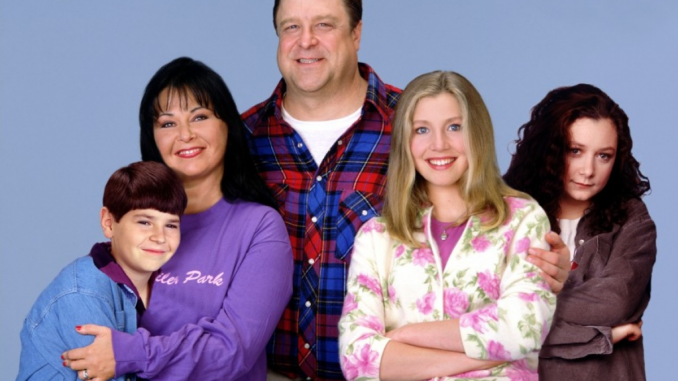
The story of Roseanne was never just about a working-class family. It was always about survival. But what many fans didn’t expect was how deeply the show would spiral into themes of death, illness, and emotional collapse—both on-screen and in real life.
At its core, the Conner family represented resilience. Yet behind that realism lies one of the most psychologically disturbing narrative twists in sitcom history: the revelation that Dan—Roseanne’s husband—actually died from a heart attack, while the “happy ending” season was nothing more than a fictional coping mechanism created by Roseanne herself.
This wasn’t just storytelling. It was grief rewritten as fantasy.
And the darkness didn’t stop there.
In the continuation of the universe through The Conners, Roseanne Conner herself is killed off—reportedly from an opioid overdose, turning a once comedic household into a reflection of real-world tragedy and addiction.
The message became painfully clear: no one in this family escapes suffering.
Off-screen, the shadows feel just as heavy. Actress Roseanne Barr has recently revealed serious health concerns, including a “damaged” heart and fears of dying during surgery—adding a chilling parallel to the fictional deaths that defined her character’s world. 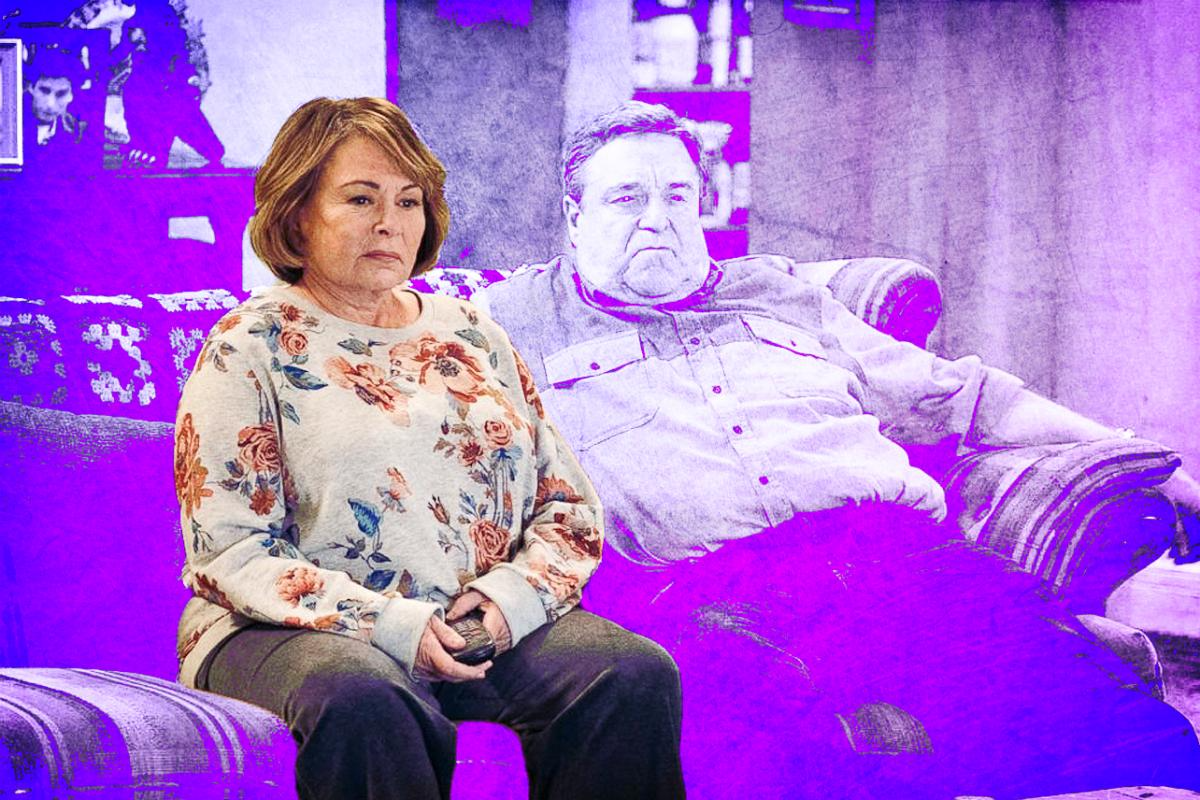
At over 70, she speaks openly about mortality, distrust of medical intervention, and the inevitability of decline. The line between character and creator begins to blur in unsettling ways.
Even attempts at revival or reinvention remain uncertain. While rumors of reboots and remakes circulate, no confirmed major comeback has materialized, leaving the legacy of Roseanne suspended between nostalgia and unresolved controversy.
What remains is not just a sitcom—but a psychological case study.
A family built on laughter that ultimately collapsed under the weight of reality: death, illness, betrayal, and the desperate human need to rewrite pain into something survivable.