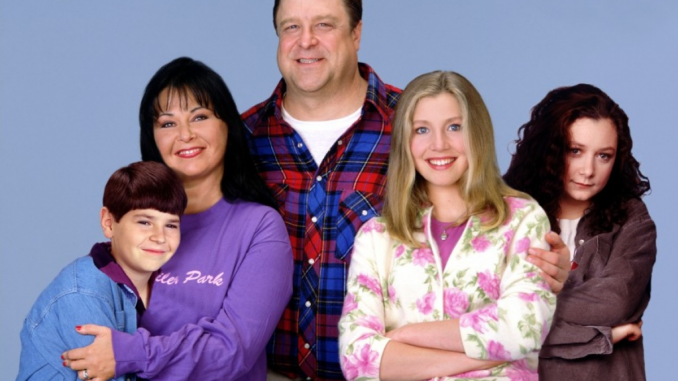
What if everything you believed about a family… never actually happened?
That is the quiet, devastating horror buried inside Roseanne—a show once celebrated for its honesty, now remembered for one of the most psychologically disturbing narrative turns in television history.
At the center stands Roseanne Conner, a woman who didn’t just endure loss—she rewrote reality to survive it.
The revelation that Dan Conner had actually died shattered everything. The laughter, the family victories, the emotional reconciliations—all of it exposed as fragments of a fabricated world created to escape grief. This was not just a twist. It was a portrait of psychological collapse.
And then, the story grew darker.
In The Conners, the illusion doesn’t return. Instead, it is brutally stripped away. Roseanne herself dies from an opioid overdose—an ending that feels less like fiction and more like a warning. Addiction replaces humor. Absence replaces chaos. The family doesn’t heal; it simply continues, broken.
This isn’t storytelling for comfort. It’s storytelling that forces confrontation. 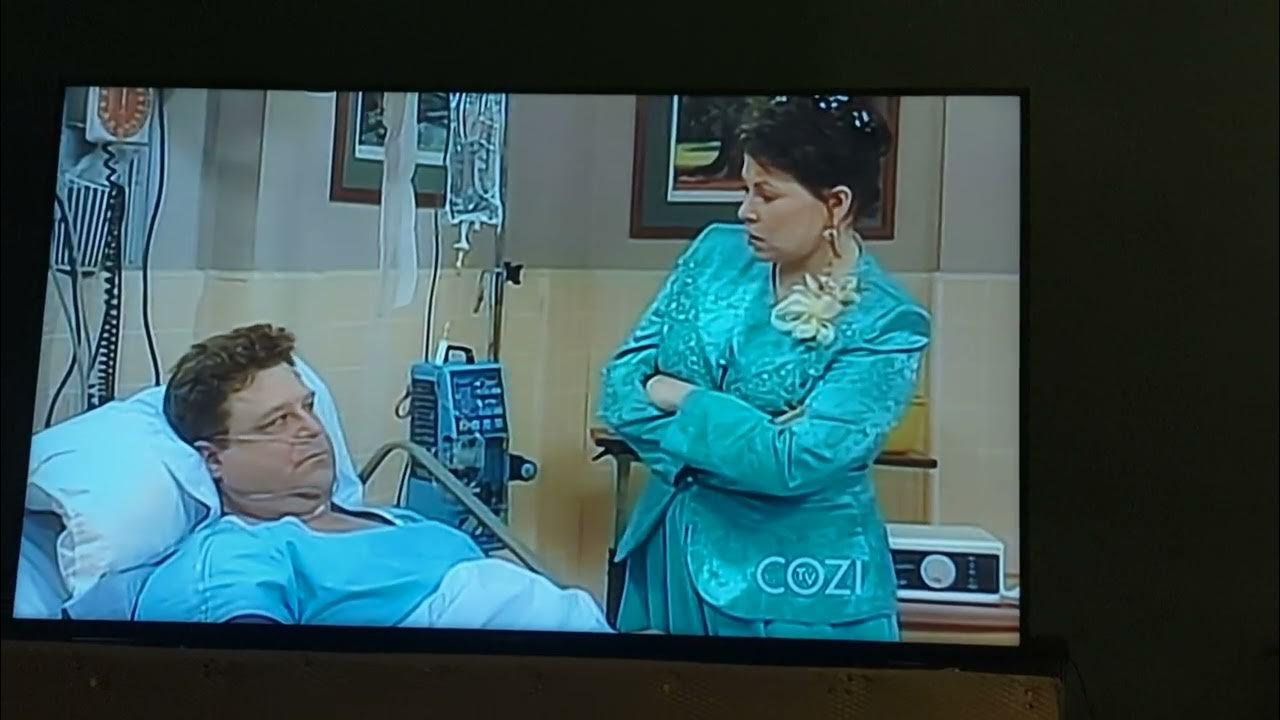
Even beyond the screen, reality echoes the same unease. Roseanne Barr has spoken about declining health and the looming fear of death, reinforcing a disturbing symmetry between creator and creation. The character who imagined a world to escape death is mirrored by the actress confronting it in real life.
There is no clean boundary anymore.
What makes Roseanne so unsettling today is not just what happened—but what it suggests. That grief doesn’t always heal. That sometimes, the mind fractures. That people don’t move on—they reconstruct.
And perhaps the most disturbing question the show leaves behind is this:
If the happiest moments were never real…
then what part of that family ever truly existed?