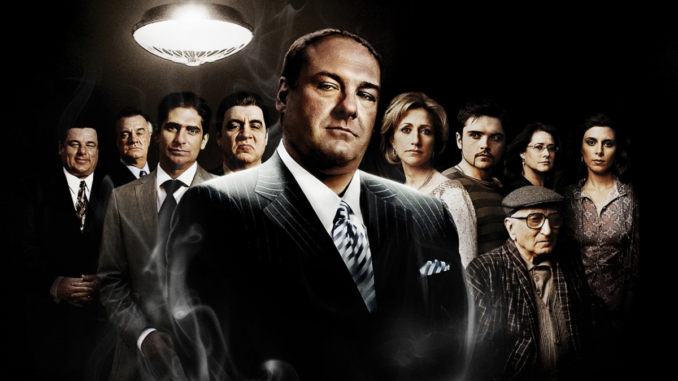
The Sopranos Characters Ranked by Evil Level
If you’ve ever watched The Sopranos, you already know one thing: this isn’t a world of heroes and villains. It’s a gray, murky swamp where morality sinks fast and survival often means stepping on someone else’s neck.
So instead of asking who’s good or bad, let’s ask a better question—who’s the most evil?
What “Evil” Really Means in The Sopranos
Evil in this universe isn’t just about violence. Plenty of characters kill. That’s almost baseline.
The real distinction lies in intention, emotional detachment, manipulation, and—most importantly—whether they feel anything afterward.
Do they hesitate? Do they regret it? Or do they just move on like nothing happened?
That’s where the rankings start to get interesting.
Morally Flawed but Still Human
Carmela Soprano — Luxury Over Conscience
Carmela knows exactly what’s going on. She’s not naive. She understands the blood behind the money, the fear behind the respect.
But she makes a choice—over and over again—to stay.
It’s not evil in the traditional sense. It’s something quieter. More relatable. And maybe that’s why it’s uncomfortable.
Meadow Soprano — Intellectualizing the Darkness
Meadow doesn’t embrace the criminal life outright. Instead, she rationalizes it. She reframes it. She builds arguments to make it seem justified.
It’s like watching someone slowly convince themselves that wrong isn’t really wrong.
And that’s its own kind of danger.
Opportunists and Survivors
Christopher Moltisanti — Trapped in His Own Chaos
Christopher is impulsive, emotional, and deeply flawed. He makes terrible decisions—sometimes deadly ones.
But here’s the thing: he feels it.
His guilt, his addiction, his inner conflict—it all bubbles under the surface. He’s not a cold-blooded villain. He’s a walking contradiction.
Adriana La Cerva — The Cost of Proximity
Adriana isn’t evil. But she exists in an evil system and benefits from it—until she doesn’t.
Her story is less about wrongdoing and more about consequences. She gets caught between loyalty and survival, and the result is devastating.
Cold and Calculated Operators
Silvio Dante — Business First, Always
Silvio is the definition of controlled violence. No outbursts. No emotional breakdowns.
When something needs to be done, he does it.
Clean. Efficient. Final.
Paulie “Walnuts” Gualtieri — Unpredictable and Ruthless
Paulie operates on instinct, paranoia, and ego. He can go from joking to violent in seconds.
That unpredictability? That’s what makes him dangerous.
You never quite know what will set him off.
True Predators
Ralph Cifaretto — Enjoying the Chaos
Ralph crosses a line others don’t. It’s not just that he commits violence—it’s that he seems to enjoy it.
That enjoyment is what pushes him into darker territory.
He’s not just part of the system. He amplifies its worst traits.
Richie Aprile — Old-School Brutality
Richie doesn’t adapt. He enforces.
Respect, fear, dominance—those are his tools. And when he feels challenged, he reacts with immediate, brutal force.
There’s no nuance. Just power.
The Apex of Evil
Tony Soprano — The Charming Destroyer
Here’s where things get complicated.
Tony Soprano is charismatic. Funny. Even relatable at times. That’s what makes him so dangerous.
He builds relationships—and then tears them apart when it suits him. He shows flashes of empathy—but rarely lets them change his actions.
He knows exactly what he’s doing.
And he does it anyway.
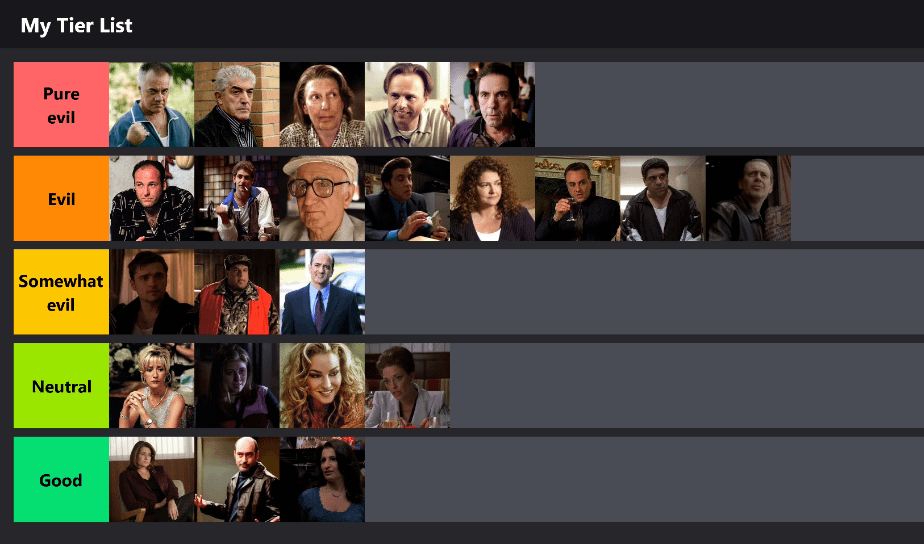
Livia Soprano — The Master of Psychological Destruction
If Tony represents physical dominance, Livia Soprano represents something arguably worse: emotional devastation.
She manipulates, guilt-trips, and controls without ever lifting a finger.
Her words cut deeper than violence. Her influence shapes everything around her—including Tony himself.
She doesn’t just participate in evil.
She creates it.
Other Notable Shades of Evil
Janice Soprano — Adaptive Manipulation
Janice changes depending on what benefits her most. Spiritual one day, ruthless the next.
She doesn’t just survive chaos—she uses it.
Phil Leotardo — Pride That Kills
Phil’s obsession with respect and legacy makes him rigid—and dangerous.
He doesn’t bend. And when the world doesn’t meet his expectations, people suffer.
Why This Ranking Isn’t So Simple
Here’s the catch: you could rearrange this entire list and still make a solid argument.
That’s because The Sopranos doesn’t deal in absolutes. It shows how environment, upbringing, and personal choice blend together into something messy and unpredictable.
Some viewers see Tony as a victim. Others see him as the ultimate villain.
Both arguments have weight.
The Psychology Behind the Darkness
What makes these characters so compelling isn’t just what they do—it’s why they do it.
Trauma. Ego. Fear. Power.
It’s like watching a slow-motion car crash where every decision nudges them closer to disaster.
And the worst part? You understand them.
When Sympathy Becomes Dangerous
Ever caught yourself rooting for Tony?
That’s intentional.
The show pulls you in, makes you empathize—and then reminds you exactly who he is.
It’s like being friends with someone you know you shouldn’t trust… but you do anyway.
Final Verdict — Who Is the Most Evil?
If we strip everything down—violence, manipulation, emotional damage—one name stands out.
Livia Soprano.
She doesn’t just act within the system. She poisons it at the root. Her influence echoes through every major conflict, every broken relationship, every destructive decision.
She’s not loud. She’s not flashy.
She’s just devastating.
Conclusion
At its core, The Sopranos isn’t about crime—it’s about human nature. It forces you to confront an uncomfortable truth: evil doesn’t always look like a monster. Sometimes it looks like family. Sometimes it looks like charm. Sometimes it looks like survival.
And sometimes… it looks a lot like us.
FAQs
Who is the most evil character in The Sopranos?
Livia Soprano is often considered the most evil due to her psychological manipulation and long-lasting influence over others.
Is Tony Soprano a villain or anti-hero?
He’s both. Tony blends charisma with cruelty, making him one of the most complex anti-heroes ever written.
Why do fans sympathize with bad characters in The Sopranos?
Because the show humanizes them. It shows their fears, struggles, and vulnerabilities alongside their crimes.
Is anyone truly innocent in The Sopranos?
Very few. Even characters who avoid violence often benefit from or justify it in some way.
What makes The Sopranos different from other crime shows?
Its psychological depth. It focuses less on action and more on the internal conflicts and moral ambiguity of its characters.