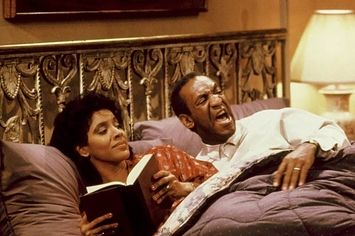
Upon Rewatching The Cosby Show Knowing What We Know — The Hypocrisy Hits Harder Than Ever
Rewatching The Cosby Show today isn’t the same experience it once was. It used to feel warm, comforting—like stepping into a home where everything made sense. The jokes landed. The lessons stuck. The Huxtables felt like the kind of family you trusted.
But now?
Now there’s a tension in every scene. A quiet discomfort that lingers longer than the laugh track. And at the center of it all is one word: hypocrisy.
The Problem Isn’t Just What Happened — It’s What Was Portrayed
A Moral Compass That Now Feels Misleading
Back then, the show positioned itself as a moral guide. It wasn’t just entertainment—it taught values. Respect. Responsibility. Integrity.
And leading that moral charge was Bill Cosby as Cliff Huxtable, a father figure who seemed to embody all of it.
That’s where the disconnect hits hardest today.
Because when reality clashes with image, the illusion doesn’t just crack—it shatters.
Cliff Huxtable — The Ideal Father Figure
A Character Built on Trust and Authority
Cliff wasn’t just a dad. He was the dad.
Warm, wise, patient—but firm when it mattered. He gave advice that felt grounded. He corrected mistakes without cruelty. He made you believe that guidance and love could coexist perfectly.
But rewatching now raises an uncomfortable question:
Was that authenticity—or performance?
When Art and Artist Collide
Can You Separate Them Anymore?
This is where things get complicated.
Some people argue you should separate the art from the artist. Others say that’s impossible—especially when the artist’s identity is so deeply embedded in the work.
And in this case, the line isn’t just blurred. It’s practically invisible.
Cliff Huxtable wasn’t just a role. It felt like an extension of Cosby himself.
That’s why the hypocrisy feels so personal.
The Jokes Don’t Land the Same Way
Laughter Now Comes with Hesitation
Moments that once felt light now feel… loaded.
A joke about parenting. A speech about respect. A scene about trust.
They all carry a different weight now.
It’s like hearing a familiar song—but realizing the lyrics mean something entirely different than you thought.
The Show’s Moral Lessons Feel Complicated
When the Teacher Loses Credibility
The show didn’t just entertain—it taught.
But here’s the problem: when the person delivering those lessons loses credibility, the lessons themselves feel unstable.
It’s not that the messages are wrong.
It’s that they’re harder to accept without questioning the source.
The Illusion of Perfection
A Family That Felt Too Good to Be True
The Huxtables were aspirational. Educated. Loving. Functional.
They represented a version of family life that many viewers admired.
But now, that perfection feels almost staged. Like a carefully constructed image designed to present something ideal—while hiding something far more complex underneath.
Rewatching Through a Different Lens
Context Changes Everything
You’re not the same viewer you were back then.
And the world isn’t the same either.
With new context comes new interpretation. Scenes that once felt harmless now invite deeper scrutiny.
You notice things you didn’t before. You question things you once accepted.
That’s the power—and the burden—of hindsight.
The Emotional Conflict of Nostalgia
Loving Something That Now Feels Uncomfortable
Here’s the real struggle.
You might still love the show. The characters. The memories.
But at the same time, something doesn’t sit right anymore.
It’s like revisiting a childhood home and realizing it’s not as safe as you remember.
That emotional contradiction is hard to shake.
The Cultural Impact Can’t Be Ignored
A Legacy Bigger Than One Person
Despite everything, The Cosby Show changed television.
It broke barriers. It opened doors. It created representation that mattered.
And that legacy still holds weight.
But now, it exists alongside a more complicated truth.
The Cast Beyond Cliff Huxtable
Other Performances Still Shine
Actors like Phylicia Rashad and Malcolm-Jamal Warner delivered performances that stand strong on their own.
Their work remains powerful, independent of the controversy surrounding the show’s lead.
And that’s important to acknowledge.
Why Hypocrisy Feels Like the Worst Part
Because It Undermines Trust
Out of everything, hypocrisy cuts deepest.
Not just because of what happened—but because of what was presented.
A figure who symbolized morality. A show that taught values. A character that inspired trust.
When all of that is called into question, it doesn’t just change how you see the show.
It changes how you feel about it.
Can the Show Still Be Appreciated Today?
A Question Without a Simple Answer
Some viewers can still enjoy it. Others can’t watch it at all.
There’s no right answer here.
It depends on how you process the separation between fiction and reality—and how much that separation matters to you.
The Role of Audience Perspective
Everyone Watches Differently Now
What you bring into a rewatch shapes what you take out of it.
Some focus on the cultural impact. Others focus on the personal discomfort.
Both perspectives are valid.
A Shift from Comfort to Complexity
The Show Feels Heavier Now
What used to feel easy now feels layered.
Every scene carries context. Every moment invites reflection.
It’s no longer just entertainment—it’s something you analyze, question, and sometimes struggle with.
Conclusion
Rewatching The Cosby Show today is like looking at an old photograph that suddenly reveals details you never noticed before. The smiles are still there. The warmth still exists. But there’s something else underneath—something harder to ignore.
The hypocrisy doesn’t just change the show.
It changes the experience of watching it.
And maybe that’s the biggest shift of all—not what the show is, but how we see it now.
FAQs
Why does The Cosby Show feel different when rewatching today?
Because new information about Bill Cosby changes how viewers interpret the character and the show’s themes.
Can you separate Cliff Huxtable from Bill Cosby?
Some viewers can, but many find it difficult due to how closely the character reflects the actor’s public image.
Is The Cosby Show still culturally important?
Yes, it played a major role in shaping television and representation, even if its legacy is now more complex.
Why is hypocrisy the biggest issue for fans?
Because the show promoted strong moral values that now feel contradictory when viewed alongside real-life events.
Should people still watch The Cosby Show?
That depends on personal perspective. Some still appreciate it, while others find it too uncomfortable to revisit.