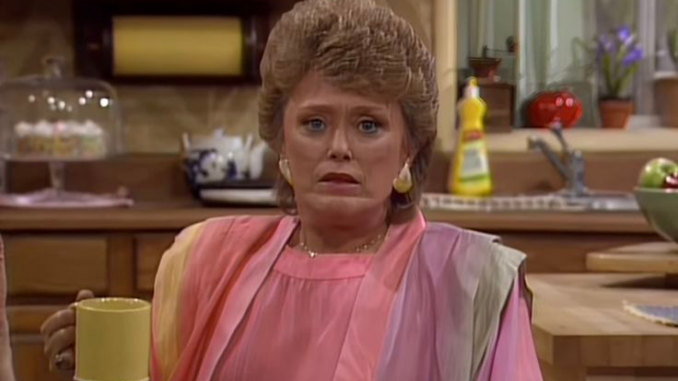
Blanche Devereaux – The Woman Who Feared Aging the Most, and the Real Life of Rue McClanahan
Why Blanche Devereaux Still Fascinates Audiences Today
There’s something unforgettable about Blanche Devereaux. Maybe it’s the confidence. Maybe it’s the charm. Or maybe—it’s the quiet contradiction hiding beneath it all.
Because while Blanche seemed fearless on the outside, there was one thing she couldn’t escape: the fear of aging.
And that tension? That’s what made her real.
The Illusion of Confidence
Blanche as the Symbol of Southern Charm
Blanche walked into every room like she owned it. Her voice, her posture, her style—everything about her demanded attention. She embraced her identity as a desirable, independent woman without hesitation.
But confidence, especially that loud, is rarely simple.
Confidence as Performance
Let’s be honest—Blanche didn’t just have confidence. She performed it. Like an actress on a stage, she controlled how others saw her.
Why? Because control keeps fear at a distance.
The Fear Beneath the Surface
Aging as the Ultimate Threat
For Blanche, aging wasn’t just about getting older. It was about losing relevance, losing beauty, losing identity.
In her world, youth equaled power. And the idea of that slipping away? Terrifying.
Moments That Revealed the Truth
There were episodes where her mask cracked. Moments when she questioned her worth, her attractiveness, her place in the world.
And suddenly, she wasn’t the bold, untouchable Blanche anymore.
She was human.
Why Blanche’s Fear Feels So Relatable
The Pressure to Stay “Relevant”
Even today, the pressure hasn’t changed. Society still places value on youth, especially for women. Blanche simply reflected that reality—just more openly.
The Fear of Being Forgotten
At its core, her fear wasn’t really about wrinkles or age. It was about becoming invisible.
And that’s something many people understand, even if they don’t say it out loud.
The Complexity That Made Her Iconic
More Than a Stereotype
It would’ve been easy to write Blanche as just the “flirty one.” But she wasn’t that simple. She was layered, emotional, and sometimes painfully vulnerable.
That complexity is why she lasted.
Strength Hidden in Vulnerability
Ironically, her fear made her stronger as a character. It gave her depth. It made her growth meaningful.
Because courage isn’t the absence of fear—it’s living with it.
The Real Woman Behind Blanche – Rue McClanahan
A Life That Paralleled the Role
Rue McClanahan didn’t just play Blanche—she understood her.
She brought nuance, warmth, and authenticity to a character that could’ve easily become one-dimensional.
Breaking Stereotypes in Hollywood
Rue’s career wasn’t built overnight. She worked through decades of television, often in roles that didn’t fully capture her range.
Blanche changed that.
Her Approach to the Character
Rue famously said she played Blanche with sincerity, not irony. She didn’t mock the character—she believed in her.
And that belief made all the difference.
The Contrast Between Actor and Character
Was Rue Afraid of Aging Too?
Interestingly, Rue McClanahan approached aging differently. While Blanche feared it, Rue embraced it with more acceptance and realism.
That contrast added depth to the performance.
Acting as Emotional Translation
Rue didn’t need to be Blanche. She needed to understand her. And she did—beautifully.
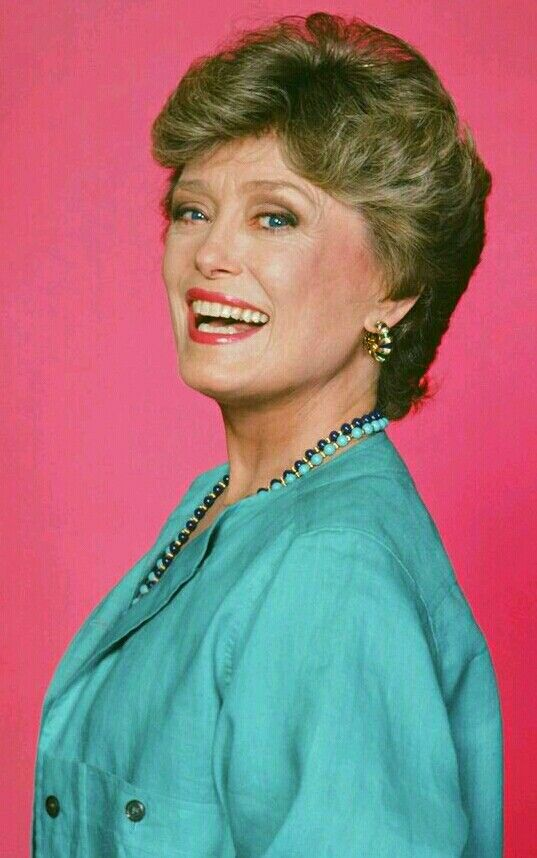
Blanche’s Evolution Throughout the Series
From Surface-Level Charm to Emotional Depth
Early on, Blanche leaned heavily into humor and flirtation. But as the series progressed, her emotional layers became more visible.
Learning to Accept Herself
There were moments when Blanche began to confront her fears, even if she never fully overcame them.
And that made her journey feel honest.
Friendship as Her Anchor
How Dorothy, Rose, and Sophia Grounded Her
Blanche’s friends didn’t let her hide behind illusions forever. They challenged her, supported her, and reminded her of her worth beyond appearance.
The Power of Being Seen
True friendship sees through performance. And that’s exactly what they did.
Why Blanche’s Story Still Matters
A Mirror to Society’s Obsession with Youth
Blanche reflects a truth we still live with today. The pressure to stay young, to stay desirable—it hasn’t disappeared.
A Character Ahead of Her Time
She talked openly about topics many avoided. That honesty made her revolutionary in subtle ways.
The Emotional Legacy of Blanche Devereaux
Laughter Mixed with Vulnerability
She made us laugh—but she also made us think. That combination is rare.
A Character That Stays With You
You don’t forget Blanche. Not because of her humor—but because of her humanity.
What We Can Learn from Blanche and Rue
Embrace Complexity
You can be confident and insecure at the same time. Strong and vulnerable. That duality is human.
Aging Isn’t the Enemy
Blanche feared it. Rue understood it. Somewhere in between lies acceptance.
Conclusion
Blanche Devereaux wasn’t just the glamorous, flirtatious woman everyone remembers. She was a reflection of something deeper—a fear many people carry but rarely express.
And through the performance of Rue McClanahan, that fear became something we could understand, relate to, and even empathize with.
Because in the end, Blanche wasn’t afraid of aging.
She was afraid of losing herself.
And that’s what made her unforgettable.
FAQs
Why was Blanche Devereaux so afraid of aging?
Because she associated youth with identity, beauty, and relevance, making aging feel like a loss of self.
Was Rue McClanahan similar to Blanche in real life?
Not entirely. While she understood the character deeply, she approached aging with more acceptance.
What made Blanche such a unique character?
Her combination of confidence and vulnerability created a layered, realistic portrayal.
Why does Blanche still resonate with audiences today?
Because her fears reflect ongoing societal pressures around aging and self-worth.
What is the biggest takeaway from her story?
That identity isn’t defined by age, and true value goes far beyond appearance.