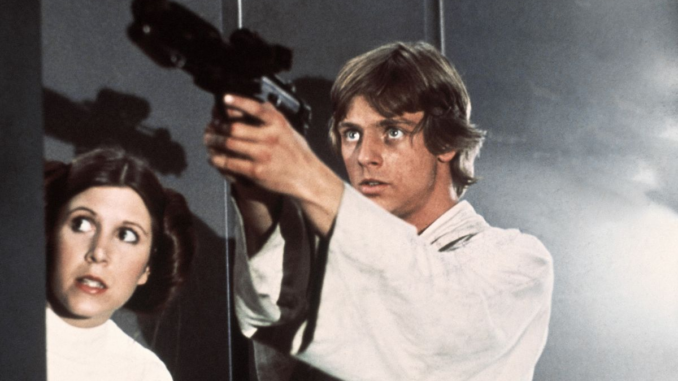
Star Wars and Its Timeless Legacy: When a Far-Fetched Dream Becomes an Icon
The Birth of an Impossible Idea
A Vision Few Believed In
Back in the 1970s, the idea of a space opera filled with laser swords, mystical forces, and alien worlds sounded… ridiculous. Studios were skeptical. Industry insiders doubted it. Even close collaborators weren’t entirely convinced.
But George Lucas saw something others didn’t. He imagined a universe that blended mythology, technology, and human emotion into one sweeping narrative. It wasn’t just a film concept—it was a belief system wrapped in storytelling.
Why Risk Was the Only Path Forward
Here’s the thing about groundbreaking ideas: they rarely feel safe. Star Wars wasn’t built on certainty—it was built on risk. Lucas pushed boundaries, challenged norms, and refused to follow Hollywood’s traditional formulas.
And that’s exactly why it worked.
The Explosion That Changed Cinema Forever
A Cultural Earthquake in 1977
When Star Wars: Episode IV – A New Hope premiered, it didn’t just succeed—it exploded. Audiences lined up around the block. Theaters were packed. Word spread like wildfire.
Suddenly, Star Wars wasn’t just a movie. It was an event.
Why It Connected So Deeply
At its core, Star Wars told a simple story: a hero’s journey. But it told it in a way that felt fresh, immersive, and emotionally resonant.
You didn’t just watch it—you experienced it.
The Power of Myth in Modern Storytelling
Ancient Themes in a Futuristic World
Star Wars works because it feels timeless. It draws heavily from mythological structures—the hero, the mentor, the fall, the redemption.
Characters like Luke Skywalker embody universal struggles: self-doubt, growth, and destiny.
Why These Themes Never Get Old
Because they’re human.
No matter how advanced the setting, the emotional core remains relatable. That’s what keeps audiences coming back generation after generation.
Building a Universe, Not Just a Story
The Art of World-Building
Star Wars didn’t stop at storytelling—it built an entire galaxy. Every planet, every culture, every conflict added depth.
It wasn’t just about what you saw on screen. It was about what you felt existed beyond it.
Immersion as a Key to Longevity
When a universe feels real, fans invest in it. They explore it. They live in it.
That level of immersion transforms a film into a legacy.
Characters That Became Icons
Heroes, Villains, and Everything In Between
From hopeful dreamers to tragic villains, Star Wars introduced characters that stuck.
Figures like Darth Vader became cultural symbols—recognizable even to those who’ve never seen the films.
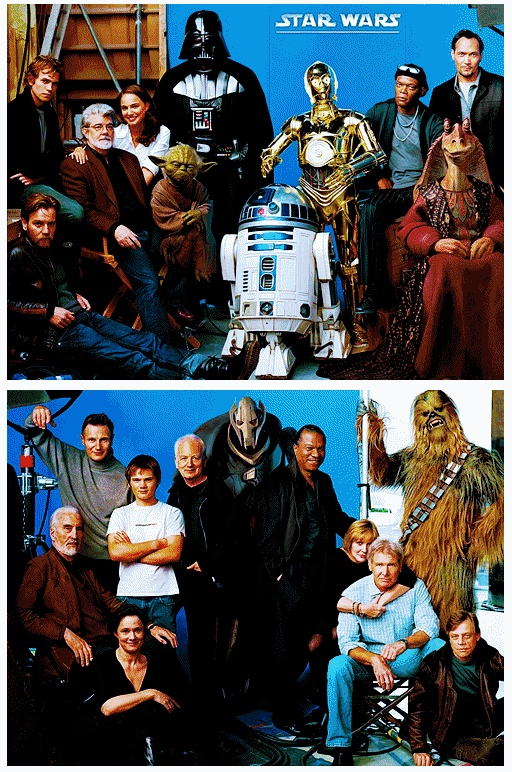
Why These Characters Matter
Because they’re more than roles—they’re archetypes. They represent ideas, emotions, and struggles that resonate universally.
Innovation That Redefined Hollywood
Pushing Technological Boundaries
Star Wars revolutionized visual effects. It set new standards for what cinema could achieve.
From practical models to groundbreaking CGI, it constantly evolved.
The Birth of a New Industry Standard
Modern blockbuster filmmaking owes a lot to Star Wars. It didn’t just follow trends—it created them.
The Rise of a Global Fandom
From Audience to Community
Fans didn’t just watch Star Wars—they embraced it. They formed communities, shared theories, and built a culture around it.
Why Fandom Matters
A passionate fanbase keeps a story alive. It fuels discussions, drives demand, and ensures longevity.
Expanding Beyond the Big Screen
A Multi-Platform Empire
Star Wars expanded into books, games, series, and more. It became more than a film franchise—it became a universe of content.
The Strategy Behind Expansion
Diversification keeps the brand relevant. It allows new entry points for different audiences.
The Balance Between Nostalgia and Innovation
Honoring the Past While Moving Forward
One of the biggest challenges for Star Wars is balancing nostalgia with innovation.
Fans want familiarity—but they also want something new.
Why This Balance Is So Difficult
Lean too heavily on nostalgia, and it feels repetitive. Push too far into new territory, and it risks alienation.
Finding the middle ground is an ongoing challenge.
The Risks of Reinvention
When Bold Choices Divide Audiences
Not every creative decision lands perfectly. Some changes spark debate. Others create division.
But that’s the nature of evolution.
Why Risk Is Necessary
Without risk, Star Wars would stagnate. And stagnation is the fastest way to lose relevance.
Themes That Reflect Changing Times
A Mirror of Society
Star Wars often reflects real-world themes—power struggles, resistance, identity.
These themes evolve with the times, keeping the story relevant.
The Challenge of Staying Authentic
Relevance must feel natural. Forced messaging can weaken the narrative.
The Next Generation of Storytelling
New Voices, New Perspectives
The future of Star Wars lies in new creators bringing fresh ideas.
Why This Matters
Diversity in storytelling ensures the universe continues to grow and adapt.
A Legacy That Refuses to Fade
Decades of Influence
Few franchises maintain relevance for this long. Star Wars continues to inspire, entertain, and evolve.
What Keeps It Alive
Emotion. Imagination. Connection.
That’s the formula.
The Emotional Core of Star Wars
Hope as the Driving Force
At its heart, Star Wars is about hope. No matter how dark things get, there’s always a chance for redemption.
Why Hope Resonates
Because it’s universal. Everyone understands it. Everyone needs it.
Conclusion: From Dream to Immortality
Star Wars started as a risky idea—something many believed would fail. But through vision, innovation, and emotional storytelling, it became something far greater.
It became a legacy.
A timeless reminder that even the most far-fetched dreams can shape reality.
And maybe that’s why it still matters.
Because in a galaxy filled with uncertainty, Star Wars proves one simple truth: imagination, when combined with courage, can create something immortal.
FAQs
1. Why is Star Wars considered timeless?
Because it combines universal themes with innovative storytelling that resonates across generations.
2. Who created Star Wars?
George Lucas is the visionary behind the franchise.
3. What makes Star Wars unique compared to other franchises?
Its blend of mythology, technology, and emotional storytelling sets it apart.
4. Why does Star Wars still have a massive fanbase?
Because it continuously evolves while maintaining its core themes.
5. Will Star Wars continue to grow in the future?
Yes, with new stories, creators, and platforms expanding the universe.