A Crossover Event Fans Didn’t See Coming
In an era where television crossovers are often teased months in advance, the explosive union of Fire Country and Sheriff Country arrived with a level of urgency and surprise that immediately set social media ablaze. Promoted as “TV’s Biggest Night,” the event didn’t just meet expectations—it shattered them. What viewers got was not a simple narrative overlap, but a high-stakes collision of worlds, characters, and consequences that felt both cinematic and deeply personal.
From the very first moments, the tone was clear: this wasn’t going to be a safe, predictable crossover. Instead, it leaned into chaos—emotional, physical, and moral—pulling audiences into a storyline where every decision mattered and no one was guaranteed to come out unchanged.
When Fire Meets Law
At the heart of the crossover lies a compelling thematic contrast: the raw, instinct-driven world of firefighting versus the structured, justice-oriented realm of law enforcement. Fire Country thrives on urgency and sacrifice, where characters often act in split seconds to save lives. Sheriff Country, on the other hand, builds tension through investigation, control, and the slow unraveling of truth.
Bringing these two together created a fascinating dynamic. Firefighters rushing into danger collided—sometimes literally—with deputies trying to contain it. The result was a layered narrative where chaos on the ground mirrored conflict between the characters themselves. Lines blurred. Authority was questioned. And in several standout scenes, the difference between saving a life and enforcing the law became painfully unclear.
A Disaster That Changes Everything
The crossover’s central event—a rapidly spreading wildfire tied to a suspicious criminal operation—served as the perfect narrative engine. It wasn’t just a natural disaster; it was a man-made crisis with consequences that rippled across both shows.
As flames consumed the landscape, secrets began to surface. What initially appeared to be a routine emergency quickly spiraled into a full-blown investigation involving corruption, hidden motives, and long-buried connections between key characters. The pacing was relentless, shifting between intense rescue missions and equally gripping interrogation scenes.
What made the storyline particularly effective was its refusal to simplify the conflict. There were no clear villains or heroes—only people making impossible choices under pressure. That ambiguity gave the episode emotional weight, elevating it beyond spectacle.
Character Collisions and Emotional Fallout
One of the crossover’s greatest strengths was how it handled character interactions. Fans had long speculated how these personalities might clash, and the show delivered in full force. Strong-willed leaders found themselves at odds, while quieter characters stepped into unexpected roles of courage and clarity.
The emotional stakes were just as intense as the physical ones. Relationships were tested in ways that felt organic rather than forced. Trust became a central theme—who to trust, when to trust, and what happens when that trust is broken.
Perhaps the most talked-about moments came from deeply personal confrontations. Characters weren’t just fighting fires or chasing suspects—they were confronting their own fears, regrets, and unresolved pasts. These quieter, character-driven scenes provided a powerful counterbalance to the high-octane action.
Cinematic Scale Meets Television Intimacy
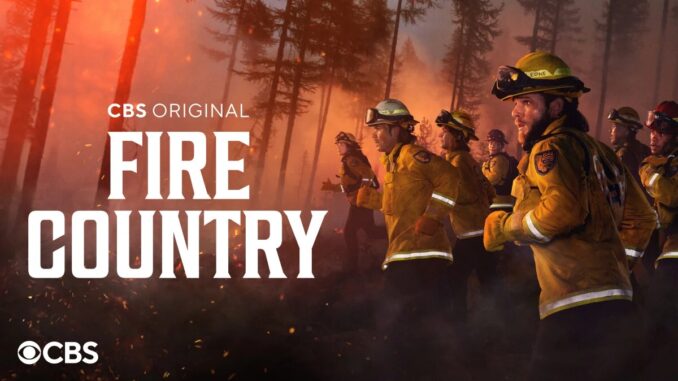
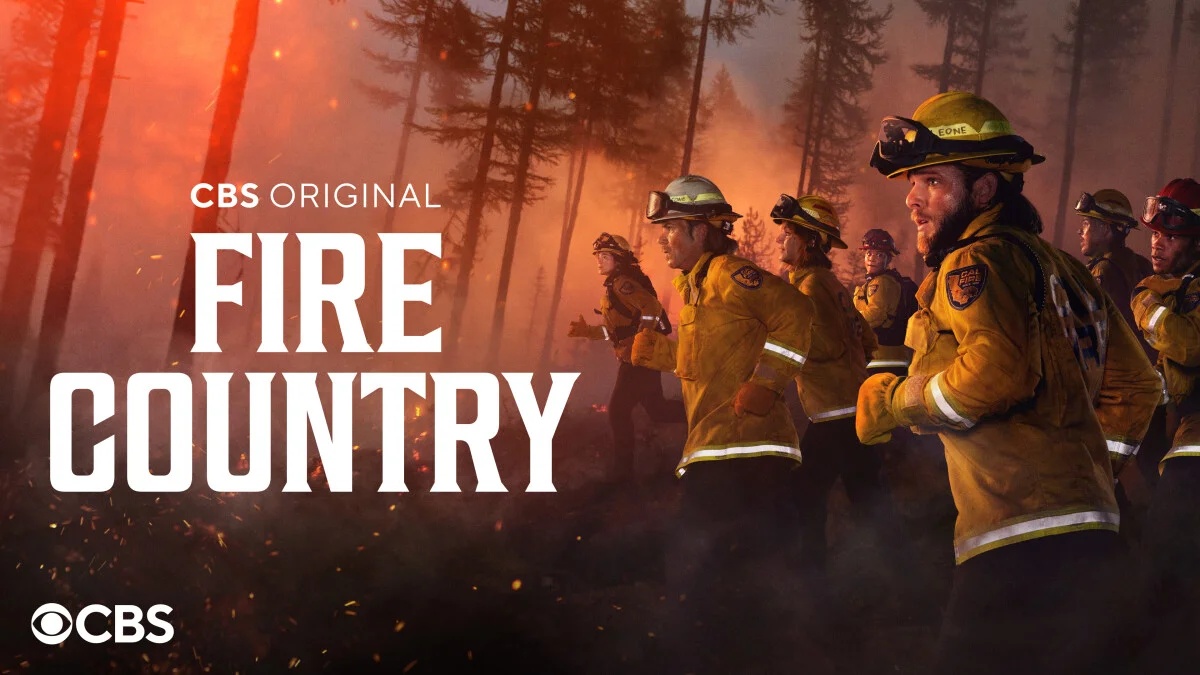
Visually, the crossover pushed the boundaries of what network television can achieve. The wildfire sequences were rendered with stunning realism, capturing both the beauty and terror of an uncontrollable blaze. Sweeping aerial shots gave a sense of scale, while tight, handheld camera work placed viewers directly in the chaos.
But what truly set the episode apart was its ability to maintain emotional intimacy amid the spectacle. Even in the most chaotic moments, the focus remained on the characters—their faces, their decisions, their humanity. This balance between scale and intimacy is what made the event feel so impactful.
Unexpected Twists That Redefined the Story
No crossover of this magnitude would be complete without a few shocking twists, and this one delivered in abundance. Just when the narrative seemed to settle into a familiar rhythm, it veered sharply into uncharted territory.
A major reveal midway through the episode reframed the entire crisis, forcing both characters and viewers to reconsider everything they thought they knew. Alliances shifted. Motives were questioned. And the stakes rose to an entirely new level.
The final act, in particular, was a masterclass in tension. With time running out and options dwindling, the story pushed its characters to their limits—physically, emotionally, and morally. The resolution offered just enough closure to satisfy, while leaving lingering questions that will undoubtedly shape future episodes.
Fan Reactions and Cultural Impact
Almost instantly, the crossover dominated online conversation. Fans praised its ambition, its emotional depth, and its willingness to take risks. Many called it one of the most memorable television events of the year, not just within its genre but across the entire medium.
What resonated most with audiences was the sense that this wasn’t just a gimmick. The crossover felt purposeful, expanding both shows in meaningful ways. It introduced new narrative possibilities, deepened existing character arcs, and created a shared universe that feels richer and more interconnected.
The buzz surrounding the episode has also sparked speculation about future collaborations. Could this be the beginning of a larger trend? If so, the bar has been set exceptionally high.
A New Standard for TV Crossovers
“TV’s Biggest Night” wasn’t just a marketing slogan—it was a statement of intent. By bringing together Fire Country and Sheriff Country in such a bold and cohesive way, the creators have redefined what a crossover can be.
This wasn’t about fan service or novelty. It was about storytelling—complex, character-driven, and unafraid to embrace chaos. It demonstrated that when done right, a crossover can elevate both shows, creating something that feels bigger than the sum of its parts.
What Comes Next
As the smoke clears, both literally and figuratively, the implications of the crossover are far-reaching. Characters will carry the scars of this event into future episodes, and the world they inhabit has fundamentally changed.
For viewers, the anticipation is already building. How will these storylines evolve? Which relationships will survive, and which are beyond repair? And perhaps most importantly, can either show ever return to “normal” after such a seismic event?
One thing is certain: after a night like this, “normal” no longer feels like an option.
Final Thoughts
“Fire Country” x “Sheriff Country” delivered exactly what its title promised—chaos, intensity, and must-watch television. But beyond the action and spectacle, it offered something more enduring: a story about people under pressure, making impossible choices in a world that refuses to slow down.
In doing so, it didn’t just entertain—it left a mark. And in today’s crowded television landscape, that’s what truly makes a night unforgettable.