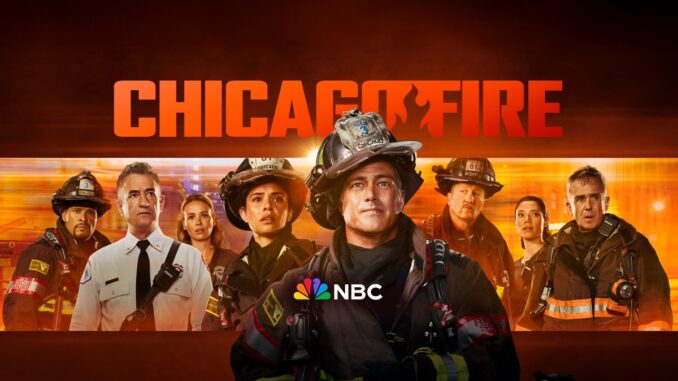
A Stunning Turn for a Fan-Favorite Franchise
For over a decade, Chicago Fire has stood as one of NBC’s most reliable primetime hits, anchoring the powerhouse “One Chicago” lineup and cultivating a fiercely loyal fanbase worldwide. But in a development that has left viewers stunned and divided, reports are circulating that Season 15 could mark the end of the long-running firefighter drama. Allegedly driven by rising production costs and a steady decline in ratings, NBC is said to be reconsidering the future of the beloved series—sparking widespread speculation, concern, and emotional reactions across social media.
While the network has yet to release an official statement confirming cancellation, insiders suggest that internal discussions have reached a critical point. If true, this would not only mark the end of an era for Chicago Fire, but also signal a broader shift in how traditional network television evaluates long-running franchises in an increasingly competitive streaming landscape.
Budget Pressures Begin to Mount
Producing a show like Chicago Fire has never been cheap. Known for its high-intensity rescue scenes, practical effects, and on-location filming in Chicago, the series carries a hefty price tag. Over time, those costs have only increased—particularly as veteran cast members renegotiate contracts and demand higher salaries after years of success.
Industry analysts note that long-running dramas often face this exact challenge. As shows age, their financial structure becomes harder to sustain, especially when advertising revenue fails to keep pace. NBC, like other networks, is now under pressure to balance legacy programming with fresh, lower-cost content that appeals to younger audiences. In this context, even a flagship series like Chicago Fire is not immune to budget scrutiny.
Sources claim that executives have been weighing whether trimming the cast, reducing episode counts, or shifting production strategies could keep the show viable. However, such changes risk alienating the very fanbase that has supported the show for 14 seasons—making cancellation a difficult but increasingly plausible option.
Ratings Decline Raises Concerns
Beyond financial considerations, ratings performance has reportedly played a key role in NBC’s alleged decision-making process. While Chicago Fire still draws respectable numbers compared to newer shows, its viewership has gradually declined in recent seasons—a trend common among long-running network dramas.
The rise of streaming platforms has dramatically reshaped viewing habits. Audiences now expect on-demand access, binge-worthy storytelling, and shorter seasons—factors that traditional network formats sometimes struggle to deliver. Even with next-day streaming availability, Chicago Fire faces stiff competition from high-budget streaming originals and an ever-expanding array of entertainment choices.
Insiders suggest that NBC’s leadership is particularly focused on key demographics, including younger viewers who are less likely to watch live broadcasts. If a show fails to perform strongly in these segments, it becomes harder to justify its continuation—regardless of its legacy or overall fan support.
Cast Contracts and Behind-the-Scenes Challenges
Another complicating factor is the status of the show’s core cast. Over the years, Chicago Fire has seen several major departures, each leaving a noticeable impact on the narrative and audience engagement. From emotional exits to unexpected character arcs, maintaining continuity has become increasingly challenging.
Longtime stars often face contract renegotiations as a series progresses, and these discussions can significantly influence a show’s future. If key actors choose to leave—or if their contracts become too expensive to renew—the creative direction of the series may suffer. For a character-driven drama like Chicago Fire, losing central figures could fundamentally alter the show’s identity.
Additionally, balancing crossover events with sister series like Chicago P.D. and Chicago Med adds another layer of complexity. Coordinating schedules, storylines, and production logistics across multiple shows requires careful planning—and any disruption can ripple across the entire franchise.
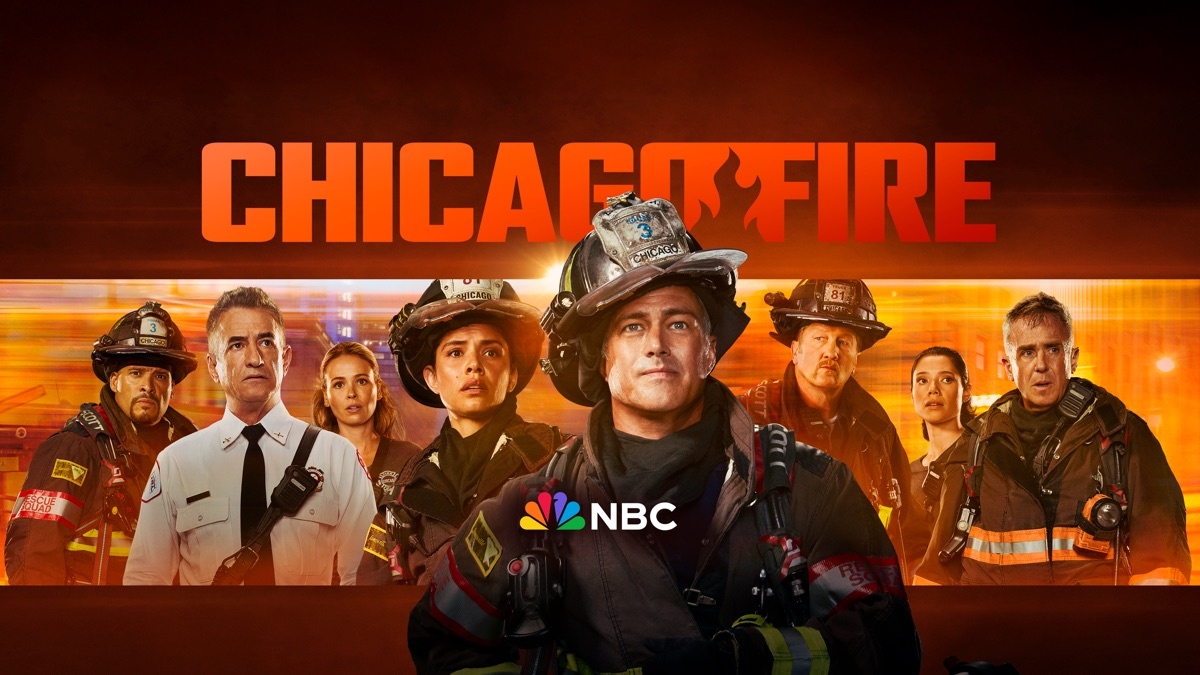
Fan Reactions: Shock, Anger, and Hope
Unsurprisingly, the possibility of cancellation has sparked a wave of intense reactions from fans. Social media platforms are flooded with posts expressing disbelief, frustration, and nostalgia. Many viewers argue that Chicago Fire still delivers compelling storytelling and deserves a proper, planned conclusion rather than an abrupt end.
Fan campaigns have already begun to emerge, with hashtags calling for renewal trending across multiple platforms. Some viewers are urging NBC to consider alternative solutions, such as shorter seasons or a final wrap-up event. Others are holding out hope that another platform—possibly a streaming service—could step in to continue the series if NBC ultimately pulls the plug.
This level of engagement highlights the emotional connection audiences have developed with the characters and their journeys. For many fans, Chicago Fire is more than just a TV show—it’s a weekly tradition and a source of comfort.
What This Means for the “One Chicago” Universe
If Chicago Fire does come to an end, the impact on the broader “One Chicago” universe could be significant. As the original series that launched the franchise, it serves as the narrative foundation for its spin-offs. Losing it would not only affect crossover storytelling but could also weaken the overall brand identity.
NBC would likely need to reassess the future of related shows and determine whether the franchise can continue to thrive without its flagship series. While Chicago P.D. and Chicago Med have their own dedicated audiences, the interconnected nature of the universe means that changes to one show inevitably affect the others.
At the same time, this could open the door for new projects or spin-offs that reimagine the franchise for a modern audience. Networks are increasingly focused on evolving established brands rather than letting them fade away entirely—suggesting that the end of Chicago Fire might not necessarily mean the end of the “One Chicago” world.
Is There Still Hope for Renewal?
Despite the alarming reports, it’s important to note that no official cancellation has been confirmed. In the television industry, negotiations often continue until the last possible moment, and fan support can sometimes influence final decisions. Shows previously thought to be on the brink have been revived through creative restructuring or strategic partnerships.
There is also the possibility of a final season designed to give the series a proper conclusion. Rather than an abrupt cancellation, NBC might opt for a shorter, more focused Season 15 that wraps up key storylines and provides closure for longtime viewers.
Until an official announcement is made, the future of Chicago Fire remains uncertain. However, one thing is clear: the show’s legacy is firmly cemented in television history, and its impact will be felt long after the final alarm sounds.
The End of an Era—or a New Beginning?
Whether this marks the end or simply a turning point, the situation surrounding Chicago Fire reflects broader changes within the entertainment industry. Rising costs, shifting viewer habits, and increased competition are forcing networks to make difficult decisions—even about their most beloved properties.
For fans, the uncertainty is both heartbreaking and galvanizing. The coming months will be crucial in determining the fate of the series, and until then, all eyes remain on NBC. One way or another, Chicago Fire has already secured its place as a defining drama of its generation—proving that even in the face of potential cancellation, its flame is far from extinguished.