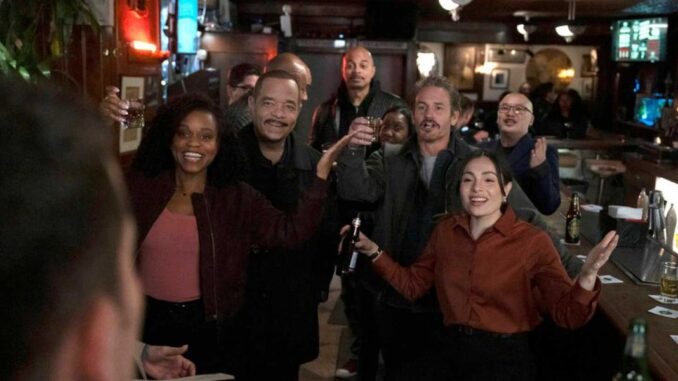
For over two decades, Law & Order: Special Victims Unit (SVU) has stood as one of the most influential and enduring crime dramas in television history. Premiering in 1999, the series quickly distinguished itself from other procedural shows by focusing on emotionally charged cases involving sexual crimes and vulnerable victims. At the heart of this groundbreaking series is Mariska Hargitay, whose portrayal of Captain Olivia Benson has become iconic.
In a recent interview celebrating 25 years of SVU, Hargitay reflected on her journey, the show’s cultural impact, and what keeps audiences engaged after such an extraordinary run. This milestone not only marks a professional achievement but also highlights the profound societal influence the series has had.
The Rise of Olivia Benson: A Character That Changed Television
When Law & Order: SVU first aired, few could have predicted the cultural phenomenon Olivia Benson would become. Unlike traditional crime drama protagonists, Benson brought empathy, strength, and vulnerability to the screen.
Hargitay’s performance transformed Benson into more than just a detective—she became a symbol of resilience for survivors worldwide. Over the years, the character evolved from a junior detective into a commanding leader, reflecting both personal growth and societal changes in how victims are treated.
Hargitay herself has often shared that playing Benson changed her life. Through the role, she became deeply connected to real-life survivors, inspiring her to advocate for justice and awareness beyond the screen.
25 Years of Impact: Why SVU Still Resonates
1. Real Stories, Real Emotions
One of the defining features of SVU is its ability to draw inspiration from real-life cases. This authenticity allows viewers to connect deeply with the narratives, making each episode more than just entertainment.
2. Evolving with Society
Over the years, the show has adapted to reflect changing conversations around consent, justice, and victim support. From early episodes to recent seasons, SVU has mirrored society’s progress while also pushing important discussions forward.
3. A Strong Emotional Core
At its heart, SVU is about people—not just crimes. The emotional depth of the characters, especially Benson, creates a lasting bond with audiences.
Mariska Hargitay’s Reflection on 25 Years
In her 25th-anniversary interview, Hargitay expressed gratitude, pride, and a sense of purpose. She described the journey as “transformational,” both professionally and personally.
She emphasized how the role allowed her to:
- Connect with survivors
- Advocate for change
- Use storytelling as a tool for healing
Hargitay also acknowledged the responsibility that comes with portraying such sensitive topics, noting that the show strives to treat every story with respect and care.
Beyond Acting: Advocacy and Real-World Change
One of the most remarkable aspects of Hargitay’s journey is how her role extended beyond television. Inspired by the stories she encountered, she founded the Joyful Heart Foundation, which supports survivors of sexual assault, domestic violence, and child abuse.
Through this initiative, Hargitay has helped:
- Raise awareness about trauma
- Provide resources for healing
- Advocate for systemic change
This real-world impact sets SVU apart from other shows, proving that television can be a powerful force for good.
The Evolution of SVU: From 1999 to Today
Early Years
The initial seasons focused heavily on procedural storytelling, with a strong emphasis on solving crimes.
Middle Era
As the show gained popularity, character development became more prominent. Benson’s backstory and emotional struggles were explored in depth.
Modern SVU
Today, the series blends procedural elements with social commentary, tackling complex issues such as:
- Online exploitation
- Power dynamics
- Cultural shifts in justice
Why Fans Remain Loyal After 25 Years
The longevity of SVU can be attributed to several key factors:
- Consistency in quality storytelling
- Relatable and evolving characters
- A strong moral compass
- Emotional authenticity
Fans have grown alongside the characters, creating a deep sense of loyalty and connection.
Behind the Scenes: The Team That Keeps SVU Alive
While Hargitay is the face of the series, she often credits the dedicated cast and crew for its success. From writers to directors, every member plays a role in maintaining the show’s high standards.
The collaborative environment allows SVU to continuously innovate while staying true to its core values.
Cultural Influence: More Than Just a TV Show
SVU has played a significant role in shaping public conversations around sensitive issues. It has helped:
- Break stigmas surrounding survivors
- Encourage reporting of crimes
- Educate viewers about legal processes
The show’s influence extends far beyond entertainment, making it a cultural touchstone.
Looking Ahead: The Future of SVU
As SVU moves beyond its 25th season, questions arise about its future. However, Hargitay remains optimistic, expressing excitement about continuing the journey.
With evolving storylines and new challenges, the show is poised to remain relevant for years to come.
Conclusion: A Legacy of Strength, Empathy, and Change
Celebrating 25 years of Law & Order: SVU is not just about longevity—it’s about impact. Through powerful storytelling and a deeply human approach, the series has changed the landscape of television.
Mariska Hargitay’s portrayal of Olivia Benson stands as a testament to the power of empathy and resilience. As she reflects on this milestone, one thing is clear: SVU is more than a show—it’s a movement.