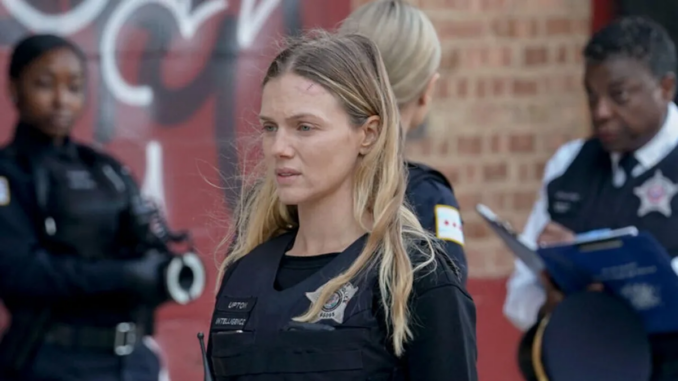
The One Chicago universe, a sprawling tapestry of heroism and heartbreak woven by Dick Wolf, has always thrived on the blurred lines between duty and morality. Among its most compelling arcs is the evolution of Detective Hailey Upton on Chicago P.D. Known for her sharp instincts and unwavering dedication, Upton has often walked a tightrope between the rigid rules of the book and the gritty reality of the streets. However, in the high-stakes world of the Intelligence Unit, the pressure to find justice can sometimes lead a detective into a moral gray area from which there is no easy return. This was never more evident than in the haunting case that pushed Upton beyond her breaking point, proving that in the pursuit of truth, the hunter can easily become the hunted.
The case began with a chilling discovery that shook even the most seasoned members of the 21st District. A brutal crime, marked by senseless violence and a lack of clear evidence, left the city on edge and the Intelligence Unit scrambling for leads. For Hailey Upton, this wasn’t just another file on her desk; it became an obsession. While Voight is usually the one associated with “doing whatever it takes,” this particular investigation saw Upton taking the lead in a way that felt dangerously personal. The victim’s story resonated with her in a way that bypassed her professional filters, igniting a desperate need for closure that overshadowed the procedural safeguards she usually championed.
As the investigation stalled, the atmosphere within the unit grew increasingly tense. Upton, fueled by a mixture of sleep deprivation and righteous fury, began to lean into tactics that mirrored the very suspects she was chasing. The pursuit of the truth became a singular focus, blinding her to the concerns of her partner and her team. In One Chicago, the chemistry between characters often serves as a moral compass, but here, even the closest bonds were tested. Upton’s decision to bypass legal protocols in favor of immediate results signaled a significant shift in her character arc, reflecting the psychological toll that constant exposure to Chicago’s darkest corners can take on an officer.
The turning point came when Upton identified a primary suspect who remained frustratingly out of legal reach. Convinced of his guilt but lacking the physical evidence to secure an arrest, she chose to operate in the shadows. This wasn’t just a minor procedural shortcut; it was a calculated risk that involved unauthorized surveillance and aggressive interrogation techniques that bordered on coercion. The narrative masterfully explored the “Upton goes too far” trope by showing the slow erosion of her restraint. Each small compromise led to a larger transgression, creating a domino effect that threatened to dismantle the entire case and her career along with it.
What makes this storyline so effective for fans of the franchise is the internal conflict it portrays. We want to see the “bad guy” caught, especially when the crime is as heinous as the one presented. We sympathize with Upton’s frustration because the system often feels broken. Yet, as she crossed those lines, the audience was forced to confront an uncomfortable question: at what point does the pursuit of justice become an act of vengeance? By chasing the truth behind the brutal case through illicit means, Upton inadvertently jeopardized the very truth she sought to protect. If the evidence is tainted by the hand that found it, does the truth still hold its weight in a court of law?
The fallout of her actions was both swift and sobering. While the suspect was eventually apprehended, the victory felt hollow. The bridge Upton crossed was one-way, and the version of herself that returned from that investigation was fundamentally changed. The Intelligence Unit has always been a family built on trust, but Upton’s rogue actions created a rift that required more than just an apology to heal. It served as a stark reminder that in the world of One Chicago, the cost of “winning” can sometimes be the loss of one’s own integrity.
For viewers, this episode wasn’t just about a crime being solved; it was a deep dive into the psyche of a woman who tried to carry the weight of the world on her shoulders and cracked under the pressure. It highlighted the brilliance of Chicago P.D. in portraying its heroes as flawed, deeply human individuals who are susceptible to the same darkness they fight every day. Hailey Upton’s journey through this brutal case remains one of the most talked-about moments in the series, serving as a cautionary tale about the dangers of losing oneself in the hunt for a truth that refuses to be found.