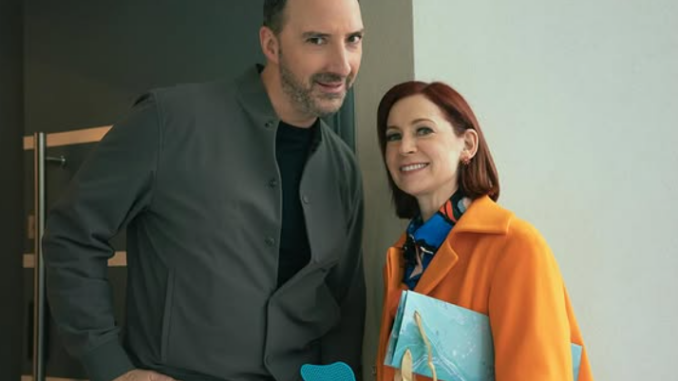
Television audiences have seen countless crime dramas over the years. From dark detective thrillers to emotionally heavy police procedurals, the genre often follows familiar formulas. But every once in a while, a show arrives that completely flips expectations upside down. That show is Elsbeth.
At first glance, Elsbeth looks like a traditional mystery series. It has murders, investigations, suspects, and courtroom-style confrontations. But after only one episode, viewers quickly realize this series is operating on an entirely different wavelength. It’s eccentric, playful, oddly comforting, and surprisingly clever. Instead of trying to imitate gritty prestige dramas, Elsbeth embraces its own weirdness — and fans absolutely adore it.
The CBS hit has become one of television’s most refreshing surprises, largely because it dares to be different. In an era where many crime shows aim for realism and darkness, Elsbeth thrives on colorful personalities, unconventional storytelling, and a lead character unlike anyone else on TV.
So why exactly are audiences falling in love with this wonderfully strange series? Let’s break down what makes Elsbeth one of the weirdest — and best — shows currently airing.
What Is Elsbeth About?
Elsbeth follows Elsbeth Tascioni, an unconventional attorney known for her eccentric behavior and razor-sharp intelligence. Fans of The Good Wife and The Good Fight may already recognize the character, originally portrayed as a quirky but brilliant lawyer who often outsmarted everyone around her.
In the spinoff series, Elsbeth relocates to New York and begins working alongside the police to oversee investigations. While that setup sounds fairly standard, the execution is anything but ordinary.
Unlike many detective dramas that focus on “Who committed the crime?”, Elsbeth often reveals the killer early in the episode. The real fun comes from watching Elsbeth unravel the mystery through her unusual observations, awkward social interactions, and deceptively scattered thought process.
This inverted structure gives the show a fresh energy. Instead of relying solely on suspense, it leans heavily into character dynamics, humor, and psychological games.
Carrie Preston Is the Perfect Lead
A huge reason for the show’s success is Carrie Preston.
Her performance as Elsbeth Tascioni is unlike almost anything currently on television. She plays the character with a mix of awkward charm, emotional intelligence, and chaotic brilliance that feels impossible to predict. One moment she appears distracted by tiny details, and the next she completely dismantles a suspect’s carefully constructed lie.
What makes Preston’s portrayal so compelling is that Elsbeth never feels fake or exaggerated. Despite the character’s eccentric mannerisms, there’s a sincerity underneath everything she does. She’s empathetic, observant, and deeply human.
Television often treats quirky characters as comic relief, but Elsbeth allows its protagonist to be both funny and extraordinarily competent. That balance is difficult to achieve, yet the series handles it beautifully.
Fans especially love how Elsbeth’s unconventional personality becomes her greatest strength rather than something the show mocks.
The Show Breaks Every Crime Drama Rule
Most procedural dramas follow a familiar formula:
- A crime happens
- Detectives search for clues
- The audience guesses the killer
- The truth is revealed at the end
Elsbeth intentionally disrupts that structure.
In many episodes, viewers already know who committed the murder. Instead of building tension through secrecy, the show creates excitement through observation. Watching Elsbeth notice tiny inconsistencies becomes the central thrill.
This storytelling style feels closer to classic mystery series like Columbo than modern crime procedurals. Much like Columbo, Elsbeth appears harmless and quirky, causing criminals to underestimate her intelligence.
That dynamic creates some of the show’s funniest and smartest moments. Wealthy executives, celebrities, and social elites often assume Elsbeth is confused or distracted — only to realize too late that she has already figured everything out.
The formula shouldn’t work as well as it does, but the writing keeps each episode entertaining through sharp dialogue and inventive scenarios.
Its Tone Is Completely Unpredictable
One of the strangest — and most appealing — things about Elsbeth is its tone.
The series constantly shifts between:
- Comedy
- Mystery
- Satire
- Emotional drama
- Social commentary
And somehow, it all works together.
A single episode might feature a dark murder investigation alongside absurdly funny conversations about opera, fashion, or New York social culture. Another might explore loneliness and human insecurity while still delivering clever comedic timing.
This tonal unpredictability makes the show feel alive. Audiences never know exactly what kind of emotional experience they’re about to get.
Many modern crime dramas are intentionally grim, often emphasizing violence and trauma. Elsbeth, however, feels lighter without becoming shallow. It proves that mystery shows can still be intelligent and emotionally engaging without drowning viewers in darkness.
That balance has helped the series stand out in a crowded television landscape.
Fans Love the “Comfort TV” Energy
Despite centering around murder investigations, Elsbeth has unexpectedly become comfort television for many viewers.
Why?
Because the show radiates warmth.
Elsbeth herself approaches people with curiosity rather than aggression. Even when confronting criminals, she rarely behaves cruelly or intimidatingly. The atmosphere feels inviting instead of stressful.
The production design also contributes to this comforting vibe:
- Bright lighting
- Stylish New York locations
- Colorful costumes
- Jazzy music
- Playful pacing
Everything about the series feels intentionally inviting.
In a television era dominated by bleak antiheroes and emotionally exhausting dramas, audiences are increasingly drawn toward shows that feel uplifting. Elsbeth delivers mystery and tension while still remaining fun and accessible.
That combination is surprisingly rare.
New York City Feels Like a Character
Another major strength of Elsbeth is its portrayal of New York City.
Unlike darker crime dramas that present the city as dangerous and chaotic, Elsbeth showcases a more whimsical version of New York. The series explores elite social circles, theater culture, art communities, and eccentric personalities that give the city unique energy.
The setting adds enormous personality to the show. Each episode feels slightly theatrical, almost like stepping into a modern mystery play.
Viewers get to explore:
- Luxury apartments
- Fashion events
- Broadway-adjacent culture
- Wealthy socialites
- Exclusive parties
- Artistic subcultures
This glamorous atmosphere helps separate Elsbeth from traditional police procedurals.
The city isn’t just a backdrop — it actively shapes the show’s identity.
The Guest Stars Keep Things Exciting
One reason fans keep returning every week is the show’s impressive lineup of guest stars.
Many episodes feature recognizable actors playing eccentric suspects or morally questionable elites. Because each story introduces new personalities, the series constantly feels fresh.
Guest stars often lean into the show’s exaggerated energy, creating memorable performances that perfectly match Elsbeth’s unusual world.
This episodic structure allows the series to experiment creatively without becoming repetitive. One week might involve the theater industry, while another explores high-end fashion or corporate politics.
That flexibility gives writers endless storytelling possibilities.
The Writing Is Smarter Than It Looks
At first glance, some viewers assume Elsbeth is simply a lighthearted procedural comedy. But beneath the quirky humor lies extremely intelligent writing.
The show carefully examines:
- Social status
- Ego
- Privilege
- Manipulation
- Loneliness
- Public image
Many murderers in the series are driven by vanity, insecurity, or obsession with reputation. Elsbeth’s ability to see through those emotional masks becomes one of the show’s recurring themes.
The writing also rewards attentive viewers. Tiny details introduced casually early in an episode often become crucial later.
This layered storytelling helps the show appeal to both casual audiences and hardcore mystery fans.
Why Audiences Are Tired of Traditional Procedurals
Part of Elsbeth’s success comes from timing.
Television audiences are increasingly exhausted by repetitive crime dramas that all feel emotionally identical. Many procedural series rely heavily on:
- Dark cinematography
- Violent imagery
- Cynical storytelling
- Emotionally detached characters
Elsbeth rejects those conventions entirely.
Instead of trying to appear edgy or ultra-serious, the show embraces personality. It understands that entertainment can still be clever without becoming emotionally draining.
That shift feels refreshing for viewers who want mystery stories without constant bleakness.
The show proves audiences still crave originality — especially within genres that often become formulaic.
Social Media Has Helped the Show Grow
Online fan communities have played a major role in boosting Elsbeth’s popularity.
Clips of Elsbeth’s awkward but genius interactions regularly spread across social media platforms because they feel different from anything else on TV. Fans especially enjoy moments where wealthy or arrogant suspects underestimate her.
Memes, reaction posts, and fan edits have helped introduce the series to younger audiences who might not normally watch CBS procedurals.
Many viewers describe the show as:
- “Chaotic in the best way”
- “Cozy detective television”
- “A murder mystery made by theater kids”
- “Comfort TV with crimes”
That kind of organic audience enthusiasm is difficult to manufacture — and it shows how strongly the character resonates with people.
Could Elsbeth Become a Long-Term Hit?
Right now, all signs suggest Elsbeth has strong long-term potential.
The procedural format allows for endless storylines, while Elsbeth herself remains compelling enough to carry the series for years. Because the show balances humor, mystery, and character-driven storytelling, it appeals to a surprisingly broad audience.
It attracts:
- Traditional CBS procedural viewers
- Fans of quirky comedies
- Mystery lovers
- Theater and arts audiences
- Younger viewers discovering the show online
That crossover appeal is incredibly valuable in modern television.
If the writers continue embracing the show’s unique identity rather than trying to make it more conventional, Elsbeth could easily become one of CBS’s defining series of the decade.
Final Thoughts
Elsbeth may genuinely be one of the weirdest shows currently on television — but that’s exactly why audiences love it.
It’s smart without feeling pretentious.
Funny without becoming ridiculous.
Comforting without losing tension.
Stylish without sacrificing substance.
In a world filled with dark, interchangeable crime dramas, Elsbeth feels refreshingly human and delightfully strange.
The show understands something many television series forget: audiences don’t just want mysteries to solve. They want characters who surprise them, worlds they enjoy visiting, and stories that feel emotionally alive.
Elsbeth Tascioni delivers all of that with unmatched charm.
And honestly? TV could use a little more weirdness.