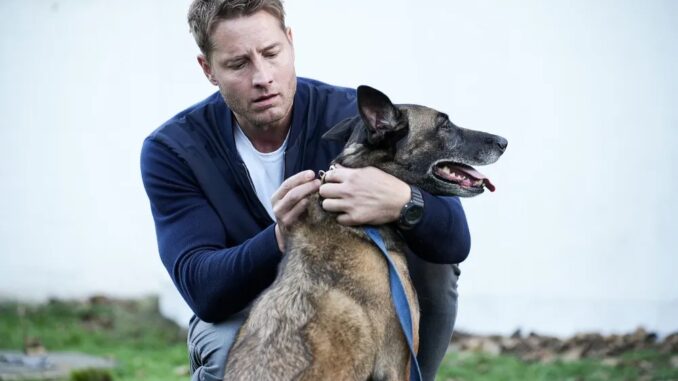
Change in television often happens quietly, not through dramatic plot twists but through subtle structural decisions that reshape the way a story is told. One such decision in Tracker is the promotion of Randy, played by Chris Lee, to a series regular in Season 3. On the surface, it may seem like a routine casting update. In reality, it signals a deeper transformation in the show’s narrative approach.
From its inception, Tracker has operated as a character-centric drama, with Colter Shaw at the center of every storyline. Supporting characters existed primarily to serve his journey, appearing when needed and fading into the background when the focus shifted. By elevating Randy to a regular role, the series is taking a deliberate step toward building a more interconnected narrative world.
This shift opens the door to new storytelling possibilities. With a stronger supporting presence, the show can explore parallel s torylines, develop interpersonal dynamics, and create a sense of continuity that extends beyond Colter’s perspective. It also allows for moments where the narrative can breathe—where the focus can shift without losing momentum.
However, this evolution is not without its challenges. Expanding the ensemble requires careful balance. Each character must be given enough depth to justify their presence, but not so much that the narrative becomes fragmented. The risk is that in trying to grow, the show could lose the clarity that made it effective.
Still, the decision reflects a broader ambition. It suggests that Tracker is no longer content with being a one-man story. It is aiming to become something larger—something more layered, more dynamic, and ultimately more sustainable. Whether it succeeds will depend not on the decision itself, but on how it is executed in the episodes to come.