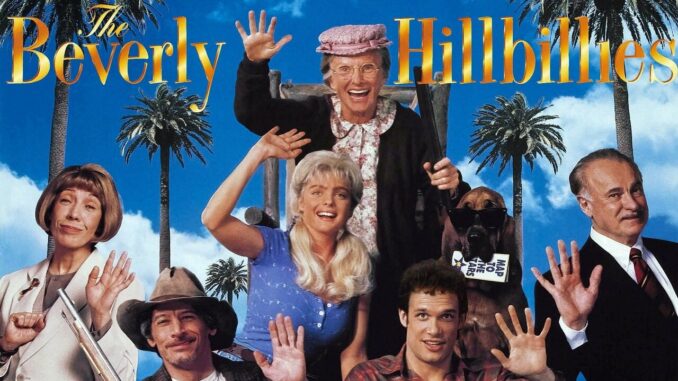
The Beverly Hillbillies: From Backwoods Poverty to Beverly Hills Luxury
When The Beverly Hillbillies first aired in 1962, few could have predicted that a simple, almost absurd premise would become one of the most iconic sitcom concepts in television history. At its heart lies a story both comedic and oddly symbolic of the American Dream: a poor rural family stumbles upon unimaginable wealth and is suddenly thrust into a world they neither understand nor try to conform to. The magic of the show comes from this collision—between simplicity and sophistication, tradition and modernity, innocence and excess.
The Oil Discovery That Changed Everything
The story begins with Jed Clampett, a humble and kind-hearted mountaineer living in the Ozarks. While out hunting one day, he accidentally strikes oil—“black gold,” as the show famously calls it. In an instant, his life changes forever. The discovery of oil on his land transforms the Clampetts from poverty-stricken hill folk into multimillionaires, setting the entire premise into motion.
This sudden wealth is not just a plot device—it’s the catalyst for exploring deeper themes. The Clampetts’ fortune represents opportunity, but also displacement. With their newfound riches, they are encouraged by their banker, Milburn Drysdale, to move to Beverly Hills, California—an environment as foreign to them as another planet.
Fish Out of Water: Comedy Gold
Once the Clampetts arrive in Beverly Hills, the show fully embraces its comedic potential. Everything about their lifestyle clashes with the refined, status-obsessed culture of their wealthy neighbors. They bring with them their old ways—cooking outdoors, mistrusting modern conveniences, and interpreting social norms in hilariously literal ways.
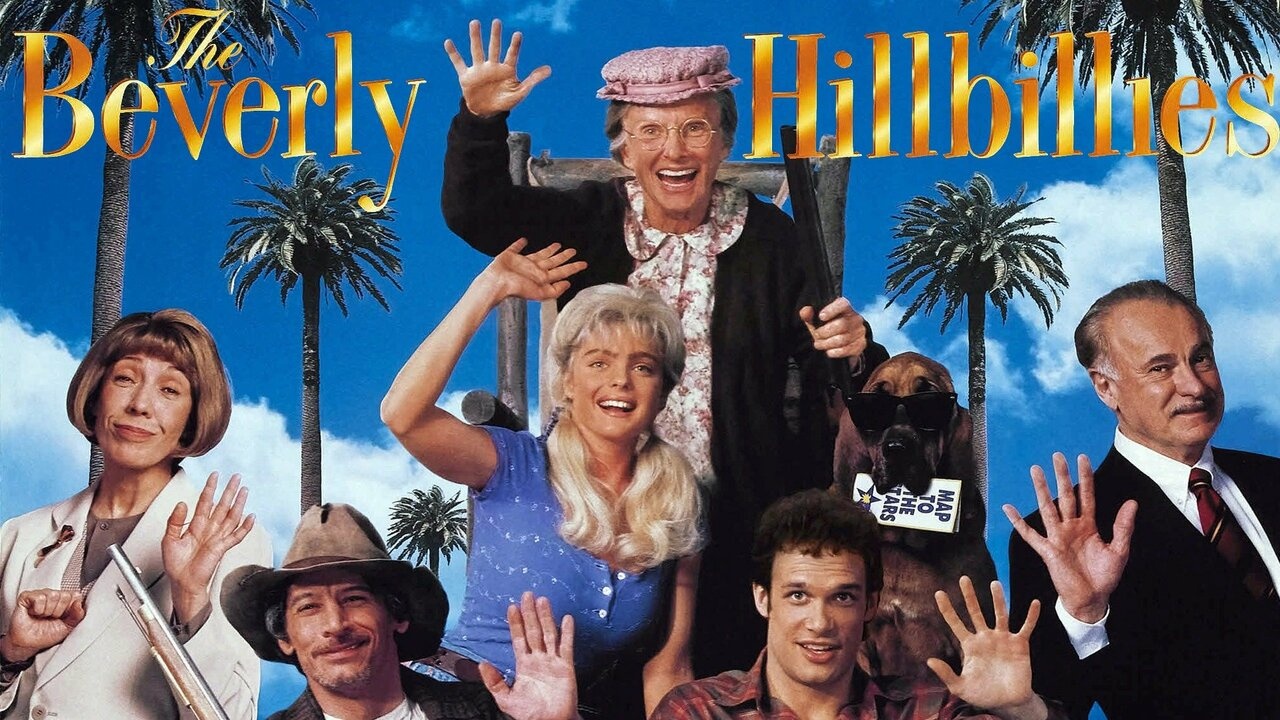
Granny still prefers her homemade remedies over modern medicine. Jethro, the well-meaning but dim-witted son, constantly shifts career ambitions, from brain surgeon to movie star, with equal confidence and lack of competence. Elly May, gentle and animal-loving, fills their luxurious mansion with critters much to everyone’s horror. And Jed, the patriarch, remains grounded, often the voice of reason despite his lack of formal education.
The humor stems not from mocking the Clampetts, but from highlighting the absurdity of high society through their perspective. In many ways, it’s the “civilized” world that seems ridiculous when filtered through the Clampetts’ honest and straightforward worldview.
Satire of Wealth and Class
Beyond its slapstick humor and quirky characters, The Beverly Hillbillies cleverly critiques class distinctions and social pretensions. The wealthy elite of Beverly Hills are often portrayed as superficial, obsessed with status, and lacking the authenticity that defines the Clampetts.
Characters like Mrs. Drysdale embody this contrast perfectly. She is desperate to fit into high society circles and constantly schemes to use the Clampetts’ wealth for her own social gain. Meanwhile, the Clampetts themselves remain uninterested in prestige or appearances. They have money, but they don’t let it define them.
This inversion is what makes the show enduring. It subtly suggests that wealth does not equal sophistication, and that integrity, kindness, and authenticity are far more valuable traits than social standing.
The American Dream—With a Twist
At first glance, the Clampetts’ story seems like the ultimate American Dream: going from rags to riches overnight. However, the show presents a more nuanced version of that dream. Despite their fortune, the Clampetts never truly assimilate into Beverly Hills culture—and they don’t want to.
They maintain their identity, values, and way of life, refusing to be reshaped by their environment. In doing so, the show challenges the idea that success means conformity. Instead, it celebrates individuality and staying true to one’s roots, even in the face of overwhelming change.
Cultural Impact and Lasting Legacy
During its original run, The Beverly Hillbillies became a massive ratings success, often topping the charts and drawing millions of viewers each week. Its appeal crossed generational lines, combining physical comedy with sharp social commentary.
Even decades later, the show remains a cultural touchstone. Its characters are instantly recognizable, and its premise continues to inspire similar “fish out of water” narratives in modern television and film. The idea of ordinary people navigating extraordinary circumstances has become a timeless storytelling formula.
Why the Clampetts Still Matter Today
In a world increasingly defined by wealth gaps and cultural divides, The Beverly Hillbillies still feels relevant. The Clampetts remind audiences that money doesn’t change who you are unless you let it. Their story is less about becoming rich and more about what you choose to value once you have everything.
Their refusal to abandon their identity in favor of social acceptance is both comedic and quietly profound. They may be millionaires, but they remain, at their core, the same loving, slightly eccentric family they always were.
Conclusion: More Than Just a Comedy
What began as a simple story about an oil discovery evolved into something far more meaningful. The Beverly Hillbillies is not just about sudden wealth—it’s about culture, identity, and the humor that arises when worlds collide. Through its unforgettable characters and clever storytelling, the show proves that sometimes, the richest people aren’t those with the most money, but those who stay true to themselves no matter where life takes them.