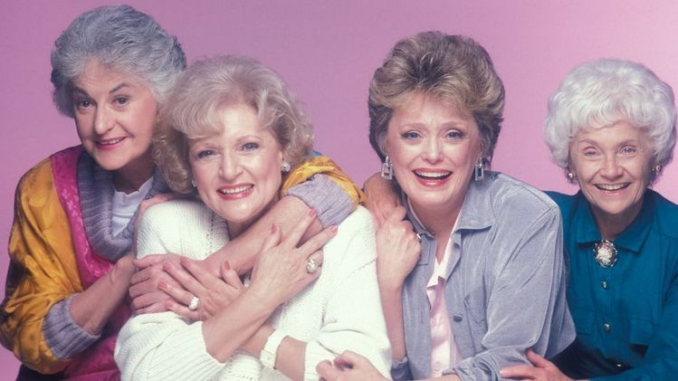
How The Golden Girls Broke All the Rules About Women on American Television in the 1980s
A Show That Shouldn’t Have Worked—But Did
Let’s be real for a second.
In the 1980s, television had a very clear idea of what women should look like on screen—young, polished, often secondary to male leads, and rarely the center of bold storytelling.
Then came The Golden Girls.
Four older women. Living together. Talking about life, love, sex, aging, and everything in between.
By all industry standards at the time, this show shouldn’t have worked.
But it didn’t just work—it thrived.
And in doing so, it flipped the entire script.
The Cultural Landscape of 1980s Television
Women Were Often Side Characters
Back then, female roles were limited. Sure, there were strong women on TV—but they were often defined by relationships, not individuality.
You were someone’s wife. Someone’s daughter. Someone’s love interest.
Rarely were you just… yourself.
Age Was a Barrier
And let’s not ignore the obvious: once actresses crossed a certain age, opportunities shrank fast.
Leading roles? Almost nonexistent.
That’s what made this show revolutionary.
Four Women, One Unstoppable Dynamic
Meet the Icons
The brilliance of The Golden Girls came from its unforgettable characters:
- Bea Arthur as Dorothy—sharp, sarcastic, and unapologetically intelligent
- Betty White as Rose—sweet, naive, but surprisingly wise
- Rue McClanahan as Blanche—confident, bold, and openly sensual
- Estelle Getty as Sophia—quick-witted and brutally honest
Each character broke stereotypes in her own way.
Together? They redefined what women on TV could be.
Breaking the Age Barrier
Older Women as Leads
Here’s the big one: the show centered on women over 50.
Not as background figures.
Not as comic relief.
As leads.
That alone was groundbreaking.
Redefining “Prime Time”
The message was clear: life doesn’t stop at a certain age—and neither should storytelling.
Talking About Topics No One Touched
Sex and Relationships
Yes, they went there.
Especially Blanche, who openly discussed dating and desire without shame. At a time when older women were expected to be “past” that phase, this was bold.
And refreshing.
Health, Aging, and Reality
The show didn’t pretend everything was perfect. It tackled real issues—illness, loneliness, financial struggles.
But it did so with honesty and humor.
Humor With a Purpose
Comedy That Challenged Norms
The jokes weren’t just for laughs—they made statements. They questioned societal expectations and exposed double standards.
Laughing While Learning
You’d laugh… and then realize the show just made a serious point.
That’s powerful storytelling.
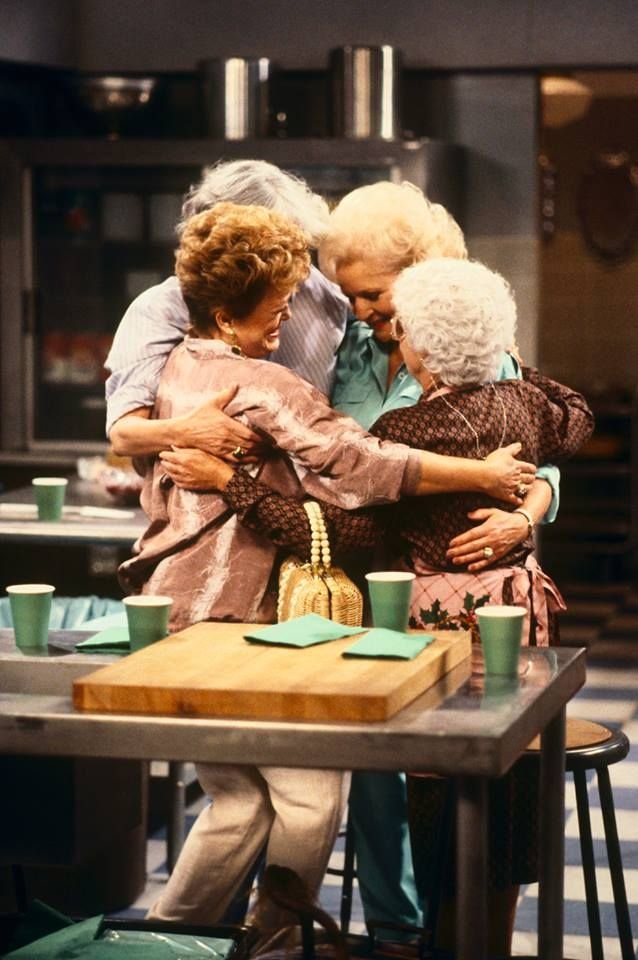
Female Friendship at the Center
Not Competition—Connection
Unlike many shows of the time, these women weren’t competing.
They supported each other. Argued, sure—but always came back together.
A New Kind of Narrative
Friendship became the foundation—not romance, not drama.
And that felt real.
Independence Without Apology
Living Life on Their Own Terms
These women weren’t defined by men. They lived together, made their own decisions, and built their own lives.
A Shift in Representation
It showed audiences that independence wasn’t just possible—it was fulfilling.
Breaking Stereotypes One Episode at a Time
No One-Dimensional Characters
Each character had depth. Flaws. Growth.
They weren’t perfect—and that’s what made them relatable.
Complex Women on Screen
Finally, women who felt like real people.
Challenging Social Issues Head-On
Topics That Mattered
The show addressed issues like discrimination, gender roles, and societal expectations.
And it didn’t shy away.
Starting Conversations
It opened doors for discussions that weren’t happening elsewhere.
The Impact on Future Television
Setting a New Standard
After this show, the industry couldn’t ignore the demand for better representation.
Inspiring Future Stories
Many modern shows owe a debt to what The Golden Girls started.
Why It Still Resonates Today
Timeless Themes
Friendship. Identity. Growth. These don’t age.
Relatable Across Generations
Even decades later, the stories still connect.
A Lesson in Authentic Storytelling
Be Real, Not Perfect
The show succeeded because it embraced reality.
Authenticity Wins
Audiences can tell when something is genuine.
The Risk That Paid Off
Going Against the Industry
The creators took a risk—and it worked.
Proving the Doubters Wrong
Sometimes, breaking the rules is exactly what you need.
Conclusion
The Golden Girls didn’t just entertain—it transformed television. It broke rules, challenged norms, and proved that women—of any age—deserve to be seen, heard, and celebrated.
And maybe that’s why it still matters.
Because it wasn’t just ahead of its time.
It helped define the future.
FAQs
1. Why was The Golden Girls considered groundbreaking?
Because it focused on older women as lead characters and tackled topics rarely discussed on TV at the time.
2. What stereotypes did the show break?
It challenged ideas about aging, independence, relationships, and women’s roles in society.
3. Who were the main cast members?
Bea Arthur, Betty White, Rue McClanahan, and Estelle Getty.
4. Why is the show still popular today?
Its themes are timeless, and its characters feel real and relatable.
5. Did it influence modern television?
Yes, it paved the way for more diverse and authentic female representation.