
SEAL Team Finale Reflection: A Quiet Ending After the Storm
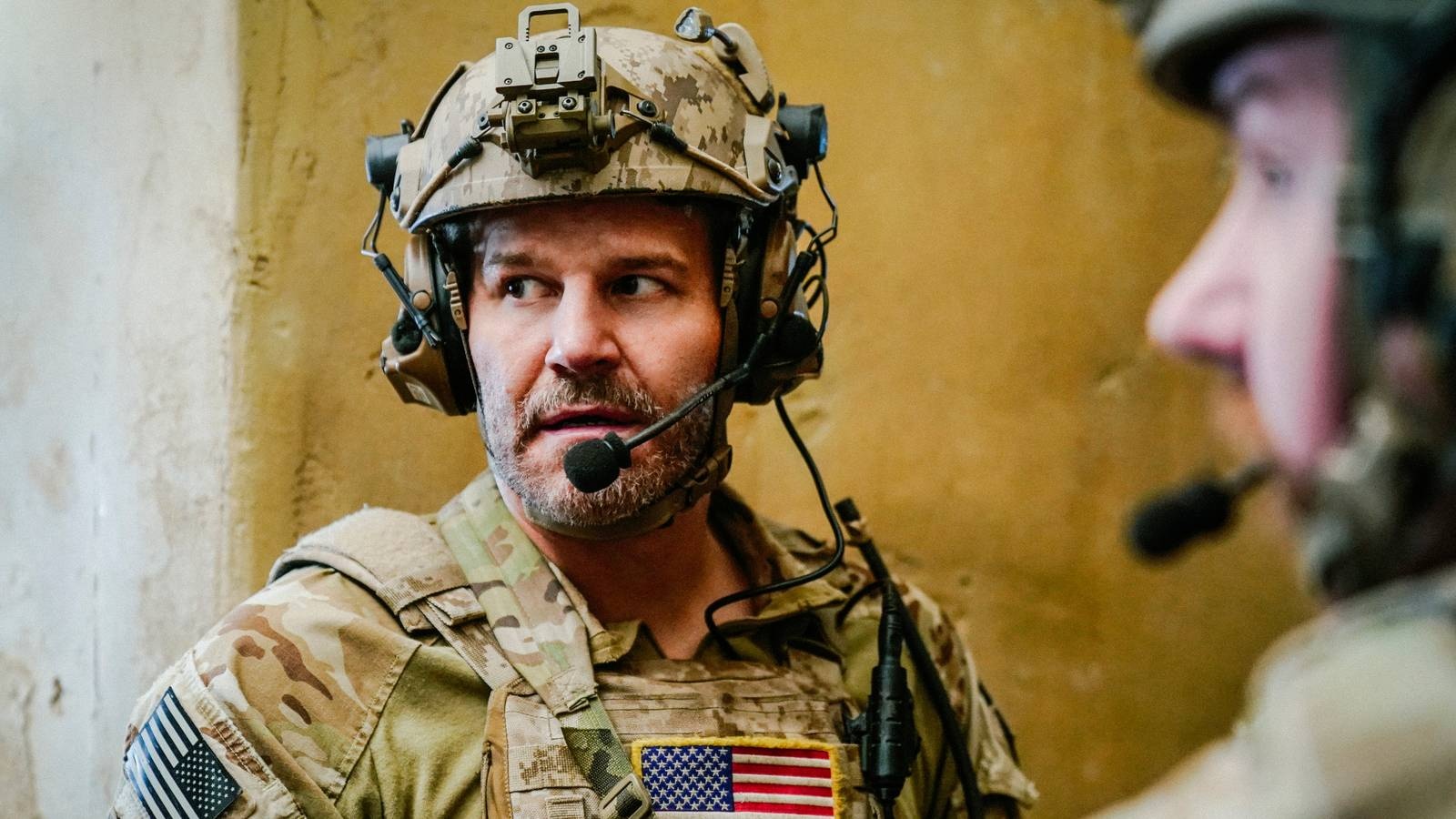
The Season 6 finale of SEAL Team delivers something fans may not have expected: not a high-octane cliffhanger, but a deeply reflective and emotionally grounded conclusion. According to the show’s boss, the final moments reveal “there’s a peace to Jason,” signaling a significant shift in the arc of Jason Hayes. After seasons defined by chaos, sacrifice, and relentless pressure, this ending feels like a deliberate pause—a moment where both the character and the audience can finally breathe.
Jason Hayes has long stood as the emotional core of the series, a leader forged through trauma and duty. Throughout Season 6, his internal struggles—particularly with identity, purpose, and the long-term effects of combat—have taken center stage. The finale doesn’t attempt to erase those struggles; instead, it reframes them. Peace, in this context, isn’t about resolution in the traditional sense. It’s about acceptance.
Jason Hayes: From Warrior to Survivor
Jason’s journey across six seasons has been anything but linear. Once defined solely by his role as Bravo Team leader, he has gradually been forced to confront who he is beyond the battlefield. Season 6 pushes that question further than ever before, especially as the physical and psychological toll of his career becomes impossible to ignore.
The finale underscores this transformation. Rather than positioning Jason as a man chasing the next mission, it presents him as someone finally acknowledging his limits—and, perhaps more importantly, his humanity. This evolution is subtle but powerful. The “peace” referenced by the showrunner isn’t about victory or closure; it’s about Jason learning to exist without constant conflict driving him forward.
That distinction matters. For a character who has lived in survival mode for years, finding stillness is its own kind of triumph.
Brotherhood and Letting Go
One of the defining elements of SEAL Team has always been its portrayal of brotherhood. The bonds between Bravo Team members are as central to the narrative as any mission. In the Season 6 finale, those relationships take on a reflective tone.
There’s a sense that each member is standing at a crossroads. The team dynamic remains strong, but the realities of time, change, and personal growth are impossible to ignore. For Jason, this is particularly poignant. Leadership has always been both his strength and his burden, and the finale subtly explores what it means to step back without abandoning those he cares about.
Moments of quiet interaction carry significant emotional weight. Conversations feel less like tactical briefings and more like personal reckonings. The show allows space for unspoken understanding—a rare and effective choice in a genre often dominated by action.
The Cost of Service
Season 6 has consistently emphasized the long-term cost of service, and the finale reinforces this theme without becoming overly sentimental. Instead of dramatic speeches, the show leans into realism. Physical injuries, mental health struggles, and the strain on personal relationships all remain present.
Jason’s “peace” doesn’t erase these realities. If anything, it highlights them. Peace comes not from escaping the consequences of his past, but from confronting them directly. This approach aligns with SEAL Team’s broader commitment to authenticity, portraying military life in a way that respects both its intensity and its complexity.
The finale suggests that healing is not a destination but a process—one that requires patience, honesty, and support.
A Different Kind of Ending
Television finales often rely on spectacle, but SEAL Team takes a different route. The Season 6 conclusion feels intentionally restrained, focusing on character rather than plot twists. This creative choice may surprise some viewers, but it ultimately serves the story.
By stepping away from explosive endings, the show reinforces its central message: that the most significant battles are often internal. Jason’s quiet moment of peace becomes more impactful precisely because it isn’t surrounded by chaos. It stands on its own, inviting viewers to reflect rather than react.
This doesn’t mean the episode lacks tension or stakes. Instead, it channels them into emotional depth. The result is a finale that lingers, encouraging audiences to consider what comes next—not just for Jason, but for every member of Bravo Team.
What This Means for the Future
While the Season 6 finale provides a sense of closure, it also leaves the door open for future exploration. Jason’s newfound peace raises important questions. Can it last? What does life look like for someone who has spent so long in a state of constant readiness?
These questions create intriguing possibilities for the series moving forward. Rather than resetting the narrative, the show appears poised to build on this foundation. Jason’s evolution could redefine his role within the team, shifting the focus from relentless action to more nuanced storytelling.
For longtime fans, this represents an exciting shift. It suggests that SEAL Team is willing to grow alongside its characters, embracing change rather than resisting it.
Fan Reactions and Emotional Impact
The response to the finale has been notably strong, with many viewers praising its emotional authenticity. Fans have highlighted the subtlety of Jason’s arc, appreciating the show’s willingness to prioritize character development over spectacle.
Social media discussions often center on the idea of “earned peace.” After everything Jason has endured, seeing him reach a place of calm feels both satisfying and bittersweet. It’s a reminder of how much he has lost—and how far he has come.
At the same time, the finale has sparked debate. Some viewers expected a more dramatic conclusion, while others see this quieter approach as a bold and fitting choice. This division underscores the episode’s impact; it challenges expectations rather than simply fulfilling them.
The Legacy of Season 6
Season 6 of SEAL Team stands out as one of its most introspective chapters. By focusing on the psychological and emotional dimensions of its characters, the show deepens its narrative without losing its core identity.
The finale encapsulates this evolution. Jason’s peace becomes a symbol of the season’s broader themes—resilience, growth, and the possibility of change. It’s a reminder that even in the most demanding circumstances, moments of clarity and calm are possible.
In many ways, this ending feels like a turning point. Not just for Jason, but for the series as a whole.
Final Thoughts: Finding Stillness in a World of Chaos
“There’s a peace to Jason” is a simple statement, but it carries profound meaning. It reflects a character who has spent years defined by conflict finally discovering a different way of being.
The Season 6 finale doesn’t offer easy answers, nor does it attempt to tie every thread neatly together. Instead, it embraces complexity, allowing its characters—and its audience—to sit with uncertainty.
In doing so, SEAL Team delivers a finale that feels both grounded and impactful. It reminds us that sometimes, the most powerful endings aren’t about what happens next, but about recognizing where we are—and finding peace within it.